

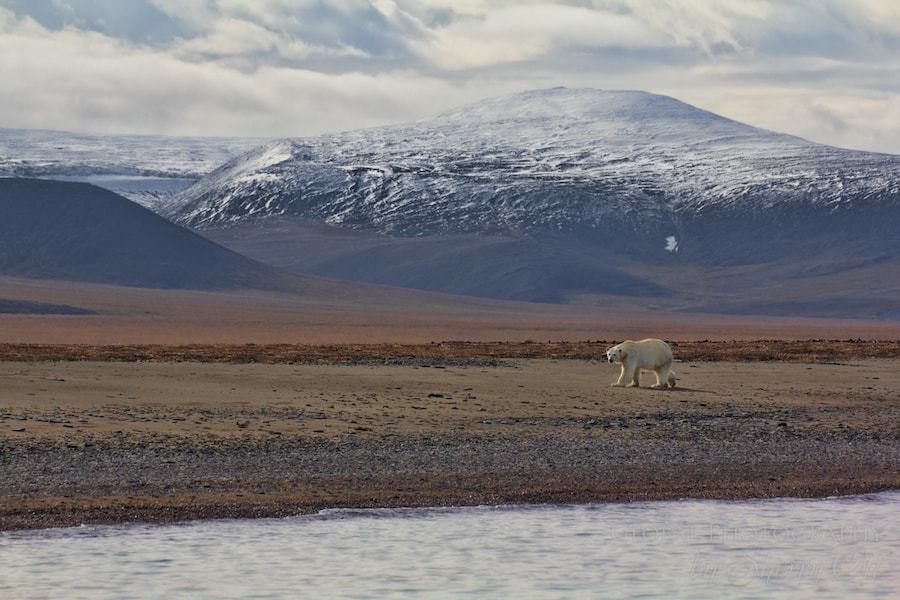
Wrangel Island
Introduction
Far beyond the Arctic Circle, where the icy waters of the Arctic Ocean meet the remote northeastern coast of Russia, lies Wrangel Island - one of the world's most extraordinary wilderness destinations. Nicknamed Polar Bear Maternity Ward, this isolated Arctic island hosts the highest density of polar bear maternity dens anywhere on Earth, making it one of the most important breeding grounds for the iconic Arctic predator.
Recognized as a UNESCO World Heritage Site, Wrangel Island is often called the "Galápagos of the Arctic" because of its remarkable biodiversity and exceptional number of endemic plant and animal species. Despite its harsh polar climate, the island supports an incredible variety of wildlife, including musk oxen, Arctic foxes, snowy owls, Pacific walruses, gray whales, and hundreds of migratory bird species.
Unlike most Arctic destinations, Wrangel Island remained untouched by continental glaciers during the last Ice Age. This unique geological history allowed countless species to survive and evolve in isolation, creating one of the planet's richest Arctic ecosystems. It was also one of the last places where woolly mammoths survived, disappearing only around 4,000 years ago.
Whether you're a wildlife enthusiast, nature photographer, conservation traveler, or adventure seeker dreaming of exploring one of Earth's last true wildernesses, this Wrangel Island travel guide explains why this frozen paradise deserves a place on every polar expedition bucket list.
Where Is Wrangel Island? Geography and Arctic Landscape
Wrangel Island is located between the Chukchi Sea and the East Siberian Sea, approximately 140 kilometers north of Russia's Chukotka Peninsula.
Covering nearly 7,600 square kilometers (2,934 square miles), the island features an extraordinary mix of snow-covered mountains, Arctic tundra, river valleys, coastal lagoons, wetlands, cliffs, and frozen beaches.
Unlike many Arctic islands, Wrangel Island contains diverse landscapes ranging from alpine peaks exceeding 1,000 meters to vast flower-filled tundra during the brief Arctic summer.
The island's remote location, pristine environment, and dramatic scenery make it one of the most spectacular polar destinations on Earth.
Why Is Wrangel Island Famous?
Wrangel Island is internationally renowned for its unparalleled Arctic wildlife and ecological significance.
The island is famous for:
- World's largest polar bear maternity denning area
- UNESCO World Heritage Site
- One of the Arctic's richest wildlife ecosystems
- Pacific walrus haul-outs
- Ancient woolly mammoth history
- Thousands of nesting seabirds
- Arctic fox population
- Spectacular tundra landscapes
- Polar expedition cruises
- Exceptional wildlife photography
Its extraordinary concentration of Arctic wildlife makes Wrangel Island one of the world's greatest natural sanctuaries.
History and Natural Significance
Wrangel Island has played an important role in both natural history and Arctic exploration.
The island escaped complete glaciation during the last Ice Age, allowing rare Arctic plants and animals to survive while many other regions were covered by ice.
Scientists discovered that Wrangel Island was one of the final refuges of the Woolly Mammoth, with isolated populations surviving here thousands of years after they disappeared elsewhere.
Throughout history, Indigenous peoples from the Chukchi region knew of the island long before European explorers documented it.
Today, Wrangel Island is managed as a strictly protected nature reserve dedicated to wildlife conservation, climate research, and scientific study, with tourism carefully controlled to minimize environmental impact.
Top Attractions on Wrangel Island
Polar Bear Maternity Dens
The island's most remarkable attraction is its extensive network of polar bear maternity dens.
Every winter, pregnant Polar Bear females dig snow dens across the island where they safely give birth and raise newborn cubs during the harsh Arctic winter.
No other location on Earth supports such a high concentration of polar bear maternity dens, earning Wrangel Island its famous nickname.
Observing these magnificent animals from safe distances under expert guidance is a once-in-a-lifetime wildlife experience.
Pacific Walrus Haul-Outs
Wrangel Island hosts some of the world's largest gatherings of **Pacific Walrus>.
During summer and early autumn, tens of thousands of walruses gather along the island's beaches to rest between feeding trips in the Arctic Ocean.
Watching these enormous marine mammals interact in their natural habitat is one of the highlights of any expedition.
The dramatic coastal scenery makes the experience even more memorable.
Arctic Tundra Wildflowers
Although many people imagine the Arctic as lifeless, Wrangel Island transforms during the short summer.
Colorful wildflowers blanket the tundra, creating vibrant landscapes filled with Arctic poppies, saxifrages, mosses, lichens, and rare endemic plants.
The contrast between colorful vegetation and snow-covered mountains creates breathtaking photography opportunities.
Wrangel Island contains more plant species than almost any other Arctic island.
Bird Cliffs
The island's towering coastal cliffs become bustling nesting colonies during summer.
Thousands of puffins, guillemots, kittiwakes, ivory gulls, and other seabirds fill the skies, creating one of the Arctic's most spectacular birdwatching destinations.
The dramatic combination of cliffs, ocean, and wildlife makes these colonies a favorite stop on expedition cruises.
Mammoth Fossil Sites
Wrangel Island is internationally important for paleontological research.
Scientists continue to study fossil sites where the remains of the last surviving woolly mammoths have been discovered.
These findings have significantly advanced our understanding of Ice Age ecosystems and prehistoric extinctions.
The island's ancient history adds another fascinating dimension to its natural significance.
Wildlife and Arctic Nature
Wrangel Island supports one of the richest Arctic ecosystems on Earth.
Visitors may encounter:
- Polar Bear
- Pacific Walrus
- Arctic Fox
- Snowy Owl
- Musk Ox
- Gray Whale
- Ringed Seal
- Reindeer
- More than 170 bird species
- Over 400 Arctic plant species
This incredible biodiversity makes Wrangel Island one of the world's premier destinations for Arctic wildlife observation.
Best Things to Do on Wrangel Island
Wrangel Island offers unforgettable polar adventures.
Popular activities include:
- Wildlife watching
- Polar bear photography
- Birdwatching
- Arctic expedition cruises
- Zodiac boat excursions
- Nature photography
- Exploring Arctic tundra
- Whale watching
- Learning about Arctic ecology
- Visiting historic expedition sites
Every expedition provides a unique opportunity to experience one of Earth's last untouched wildernesses.
Local Culture and Indigenous Heritage
Although Wrangel Island has no permanent civilian population, the surrounding Chukotka region is home to Indigenous Chukchi communities whose traditions have been closely connected to the Arctic for centuries.
Visitors on expedition cruises often learn about Indigenous Arctic culture, traditional hunting practices, local folklore, and the deep relationship between Arctic peoples and their environment.
These cultural experiences provide valuable insight into one of the world's most challenging yet resilient ways of life.
Sustainable Tourism and Conservation
Wrangel Island is one of the world's most strictly protected Arctic nature reserves.
Visitor numbers are extremely limited, and nearly all travel takes place through regulated expedition cruises accompanied by trained naturalists and park authorities.
Strict conservation measures protect wildlife, fragile tundra vegetation, nesting birds, and marine ecosystems.
Visitors are required to maintain safe distances from animals, avoid disturbing breeding sites, and follow all environmental guidelines.
Responsible tourism plays an essential role in preserving this globally significant Arctic ecosystem.
Best Time to Visit Wrangel Island (Month-by-Month Guide)
The best time to visit Wrangel Island is during the short Arctic summer from July to September.
During these months, sea ice retreats enough for expedition ships to reach the island.
Summer offers the best opportunities to observe polar bears, walruses, whales, nesting seabirds, and colorful tundra wildflowers.
Outside this brief season, heavy sea ice and extreme weather make access nearly impossible.
Because expedition departures are limited, early booking is highly recommended.
How to Get to Wrangel Island
Reaching Wrangel Island requires joining a specialized Arctic expedition cruise.
Most international travelers begin by flying to Anadyr, the administrative center of the Chukotka region.
From Anadyr, expedition vessels sail through the Arctic Ocean toward Wrangel Island, often combining the journey with visits to other remote Arctic locations.
Independent travel is generally not permitted due to strict conservation regulations and challenging environmental conditions.
Essential Travel Tips for Visiting Wrangel Island
Careful preparation is essential for a successful Arctic expedition.
- Book your expedition cruise well in advance.
- Pack layered thermal clothing and waterproof outerwear.
- Bring binoculars and a telephoto camera lens for wildlife photography.
- Follow all instructions from expedition guides.
- Maintain safe distances from wildlife at all times.
- Prepare for rapidly changing Arctic weather.
- Respect all conservation rules to help protect this fragile ecosystem.
Good planning ensures a safe, comfortable, and unforgettable polar adventure.
Why Visit Wrangel Island?
Wrangel Island offers one of the most extraordinary wildlife experiences on Earth. From observing polar bear mothers raising newborn cubs and witnessing enormous walrus colonies to exploring flower-filled Arctic tundra and discovering the last refuge of the woolly mammoth, every moment reveals the remarkable resilience of life in the Far North.
Unlike more accessible wildlife destinations, Wrangel Island remains truly wild, remote, and protected, providing an authentic Arctic expedition that few travelers ever experience.
For wildlife photographers, conservation enthusiasts, birdwatchers, and adventurous explorers, Wrangel Island is one of the world's ultimate polar destinations.
Conclusion
Wrangel Island is far more than a remote Arctic island - it is one of the planet's most important wildlife sanctuaries. From its globally significant polar bear maternity dens and massive Pacific walrus colonies to its ancient mammoth history, pristine tundra, and exceptional biodiversity, every corner of this UNESCO World Heritage Site showcases the extraordinary beauty of the Arctic.
Its unique blend of untouched wilderness, world-class wildlife encounters, scientific importance, and responsible conservation makes it one of the most remarkable travel destinations on Earth.
For travelers seeking an unforgettable polar adventure, Wrangel Island truly lives up to its reputation as the Polar Bear Maternity Ward.
00 Comments
No comments yet.
Leave a Comment