
Traveller

Venice

Venice

Introduction

Venice, famously known as La Serenissima, is one of the most extraordinary cities in the world and a timeless symbol of human creativity, resilience, and artistic brilliance. Built entirely on water in northeastern Italy, Venice is renowned for its winding canals, historic bridges, magnificent architecture, and romantic atmosphere. Situated in the Venetian Lagoon along the Adriatic Sea, the city has fascinated travelers, artists, merchants, and historians for centuries. More than a destination, Venice represents the harmonious coexistence of humanity and nature in one of the most challenging environments imaginable.


Geographical and Environmental Significance

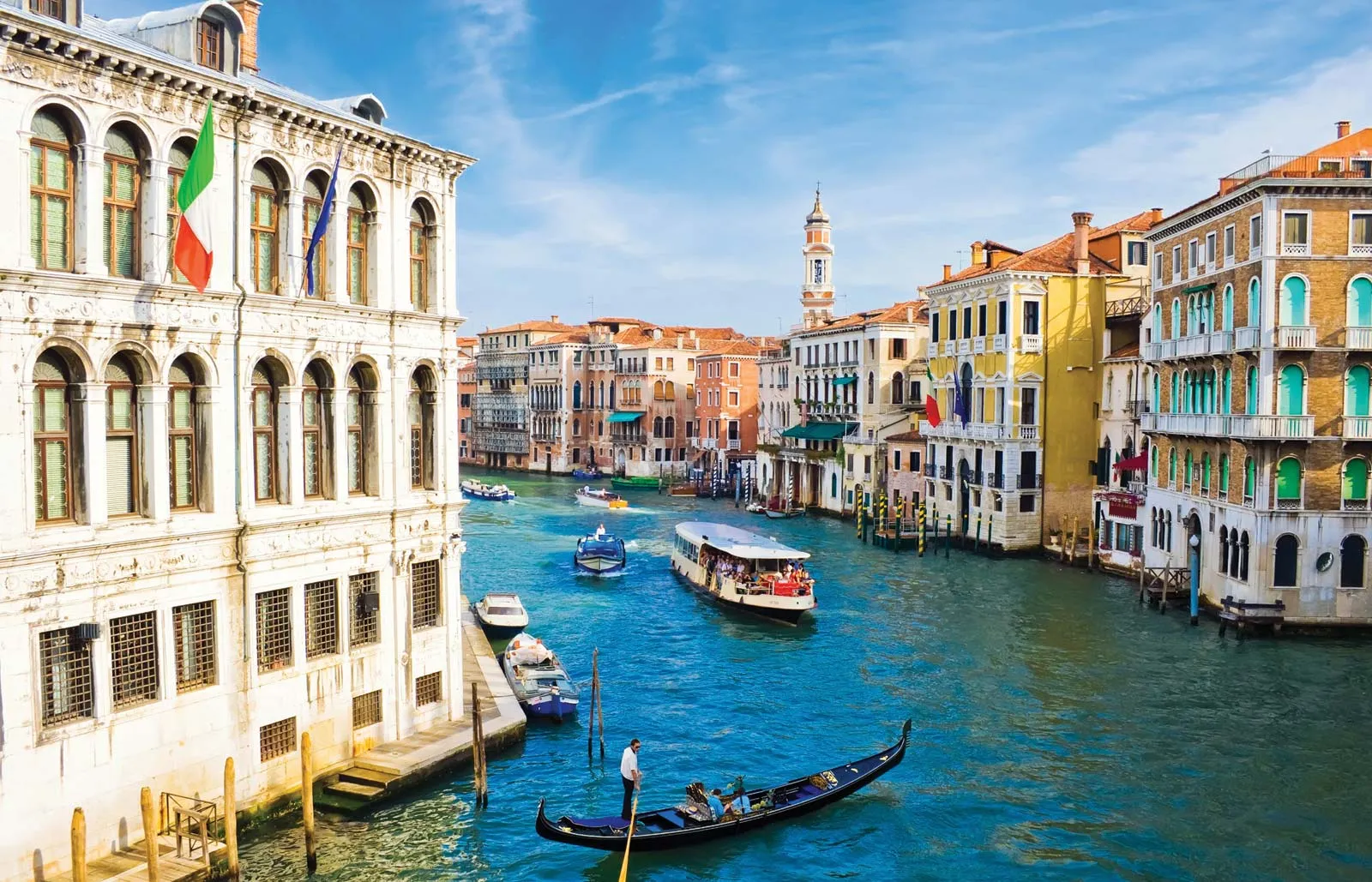
Venice is built on a network of over 100 small islands supported by millions of wooden piles driven deep into the lagoon’s muddy seabed. Instead of roads, the city relies on canals, with the Grand Canal serving as its main transportation artery. This unique geographical setting makes Venice one of the most unusual urban environments on Earth.

The Venetian Lagoon is a delicate ecosystem of saltwater marshes, mudflats, and islands that has protected the city from the open sea for centuries. However, its low elevation makes Venice particularly vulnerable to flooding, known locally as acqua alta, and rising sea levels caused by climate change. Despite these challenges, Venice has endured for over a thousand years as a testament to innovative engineering and adaptation.


Historical Origins and Rise to Power

Venice was founded in the 5th century by people fleeing invasions on the Italian mainland. Over time, it developed into a powerful maritime republic, strategically positioned between Europe and the Eastern world. By the Middle Ages, Venice had become one of the wealthiest and most influential trading powers in the Mediterranean.

The city’s prosperity was driven by commerce in spices, silk, and precious goods, which funded monumental architecture, art, and cultural institutions. Governed by the Doge and a complex political system, Venice maintained its independence for over 1,000 years until its fall to Napoleon in 1797. This long period of stability allowed Venice to develop a distinct identity that still defines the city today.


Architectural and Artistic Heritage

Venice is often described as an open-air museum due to its extraordinary concentration of historic buildings and artworks. The city’s architecture blends Gothic, Renaissance, and Byzantine styles, reflecting its international connections.

Iconic landmarks include St. Mark’s Basilica, with its golden mosaics and domes; Doge’s Palace, a masterpiece of Venetian Gothic architecture; and the Rialto Bridge, the oldest bridge crossing the Grand Canal. Venice has also been home to legendary artists such as Titian, Tintoretto, and Veronese, whose works continue to attract art lovers from around the world.


Life Along the Canals

The canals are the lifeblood of Venice. Gondolas, once the primary means of transport, remain a symbol of the city’s romance and tradition, while vaporettos (water buses) serve as modern public transportation.

Everyday life in Venice unfolds along the water, from deliveries and commuting to social gatherings. The absence of cars creates a peaceful atmosphere, allowing visitors to experience the city at a slower, more reflective pace. Narrow alleyways, hidden courtyards, and quiet neighborhoods reveal a Venice beyond the tourist landmarks.


Cultural Traditions and Festivals

Venetian culture is deeply rooted in tradition, craftsmanship, and celebration. The city is world-famous for its Carnival of Venice, a centuries-old festival known for elaborate masks, costumes, and grand balls. This event reflects Venice’s historic love for theater, mystery, and artistic expression.

Traditional crafts such as Murano glassmaking and Burano lace production continue to thrive, preserving skills passed down through generations. Music also plays an important role in Venetian culture, with composer Antonio Vivaldi being one of the city’s most celebrated figures.


Environmental and Ethical Challenges

Venice faces significant environmental and social challenges. Rising sea levels, subsidence, and frequent flooding threaten historic structures and daily life. Over-tourism has also placed strain on local communities, infrastructure, and the lagoon ecosystem.

To address these issues, initiatives such as the MOSE flood barrier project aim to protect Venice from extreme tides. Sustainable tourism efforts encourage visitors to respect local customs, support local businesses, and explore lesser-known areas of the city.


Venice Beyond Tourism

Venice is not only a tourist destination but also a center for education, art, and research. Institutions study lagoon preservation, climate adaptation, and architectural conservation. Despite declining population numbers, Venetians continue to maintain strong cultural traditions and community ties.

For many visitors, Venice offers more than sightseeing—it provides a deeper understanding of how human civilization can adapt creatively to natural constraints.


Conclusion: A Living Masterpiece

Venice stands as one of humanity’s greatest achievements, a city born from water, ambition, and imagination. Its canals, palaces, and artistic legacy reflect centuries of innovation, trade, and cultural exchange. At the same time, Venice serves as a reminder of the fragility of historic cities in a changing world.

Whether admired for its romance, history, or architectural brilliance, Venice continues to inspire awe and respect. As long as people value beauty, culture, and human ingenuity, Venice will remain an enduring symbol of what humanity can create—even against the odds.

00 Comments

No comments yet.

Leave a Comment

We are offering for you

Featured Articles

Niagara Falls

Niagara Falls is one of the most popular tourist destinations in North America. Every year, millions of people visit Niagara Falls to see the amazing sights and experience the natural wonders of this world-famous destination.

The History of Niagara Falls

Niagara Falls has been a tourist destination for centuries. The first person to visit Niagara Falls was Father Louis Hennepin, a French missionary, in 1678. He wrote about the beauty of the falls, which attracted other European explorers and settlers to the area.

In the early 19th century, Niagara Falls became a popular honeymoon destination for American couples. The popularity of the falls as a tourist destination grew throughout the 19th and 20th centuries. Today Niagara Falls is one of the most popular tourist destinations, attracting millions of visitors each year.

The Different Views of Niagara Falls

There are three different ways to view Niagara Falls: from the Canadian side, from the American side, and from above.

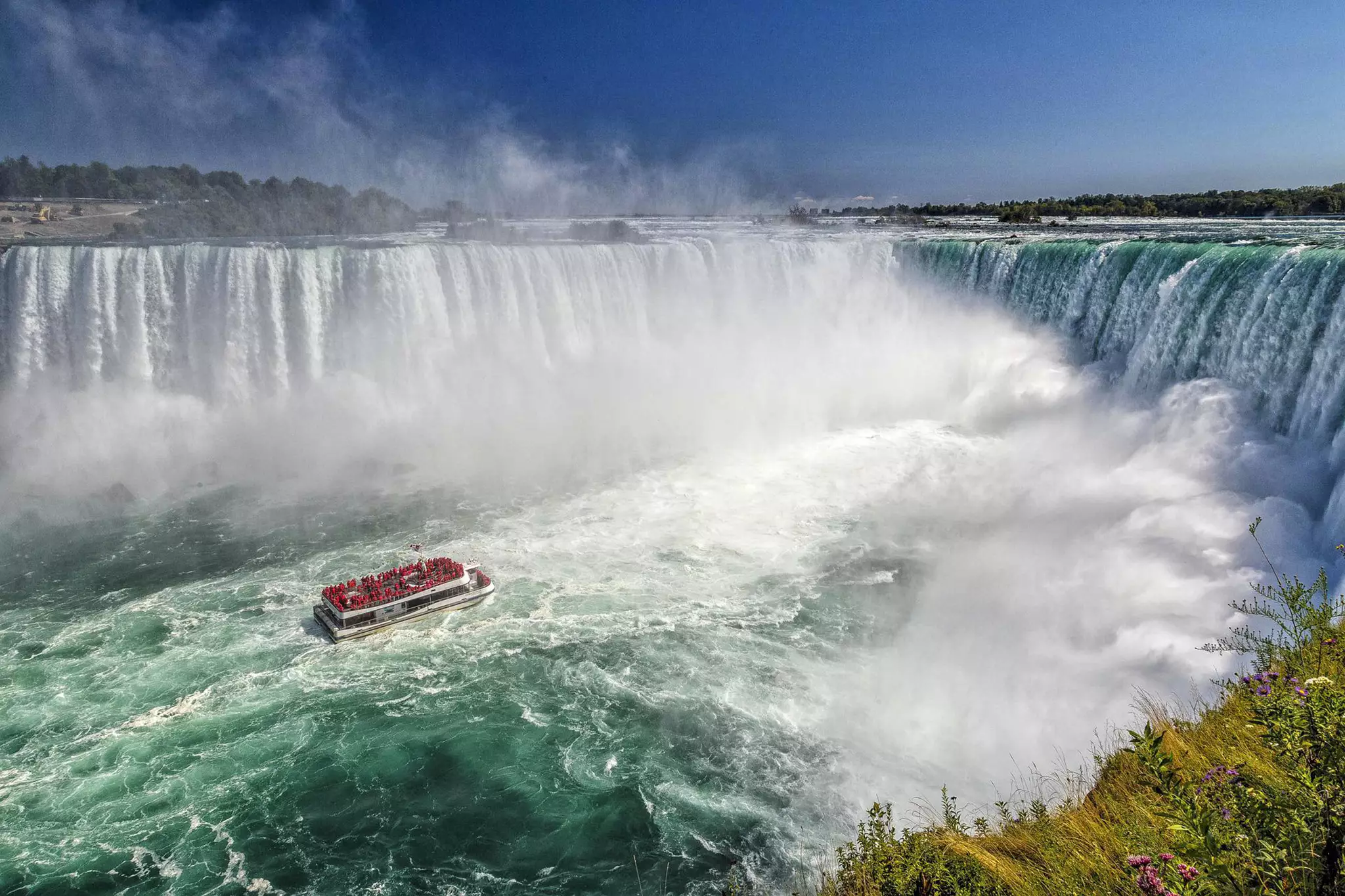
·        The Canadian side offers the best views of Niagara Falls. There are several observation decks, viewing areas, and a boardwalk that takes you right to the edge of the falls. You can also take a ride on the Maid of the Mist boat tour, which gets you up close and personal with the falls.

·        The American side offers different views of Niagara Falls than what you will see from the Canadian side. The most popular spot to view Niagara Falls on the American side is Goat Island, where you can walk out to the edge of Horseshoe Falls. Another great spot for views is Prospect Point Park, where you can get a bird’s eye view of all three waterfalls.

·        For something truly unique, take a trip aboard the Niagara Gorge Railway and enjoy panoramic views of Niagara Falls from above. It is a great way to see all three waterfalls at once and get an idea of how massive they are.

The Edge of the Niagara Falls

The edge of the falls is the best place to see the power of the water as it tumbles over the precipice. Several observation decks along the Niagara Gorge offer breathtaking views of the falls. The Rainbow Bridge, which spans the gorge just upstream from the falls, is a popular spot for picture-taking and boasts an up-close view of both the American and Horseshoe Falls.

Daredevils of Niagara Falls

Since the early days of Niagara Falls, people have been drawn to its raw power and beauty. Over the years, many have attempted to conquer the falls, often with tragic results. Here are some of the most famous (or infamous) daredevils who have taken on Niagara Falls:

·        Annie Edson Taylor was the first person to go over Niagara Falls in a barrel. She did it on her 63rd birthday in 1901 to achieve fame and fortune. Thankfully, she survived the stunt and lived to tell the tale.

·        Bobby Leach was the second person to went over Niagara Falls in a barrel. He did it in 1911 and also survived. Later he performed other stunts, including walking across a tightrope stretched over the falls.

·        Charles Stephens attempted to go over Niagara Falls in a barrel in 1920 but died during the attempt. His body is still missing.

·        Red Hill Sr., along with his son Red Hill Jr., became the first (and only) father and son duet, who went over Niagara Falls together in a barrel. They did it in 1951, and both survived.

·        Nik Wallenda became the first person to walk across Niagara Falls on a tightrope in 2012. He completed the stunt, which was televised live around the world.

How to get to Niagara Falls

Niagara Falls are located on the border between the United States and Canada, so there are a few different ways to reach them depending on your location.

If you are coming from the United States, the easiest way to get to Niagara Falls is by car. Several highways lead right to the falls, and once you cross the border into Canada, signs will point you in the right direction.

If you are coming from Toronto or another Canadian city, you can take a bus or train to Niagara Falls.

Once you arrive in Niagara Falls, there are plenty of ways to get up close and personal with the falls.

·        You can walk along the edges of the waterfall.

·        You can ride an elevator to the top of one of the falls for an incredible view.

·        You can also take a boat tour that takes you right into the spray of the falls.

Travel Guide for Niagara Falls

While planning a trip to Niagara Falls, there are a few things to know before visiting. Here is a travel guide for sightseers that will help you make the most of your trip:

When to Visit: The best time to visit Niagara Falls is during the summer season when the weather is warm and sunny. However, keep in mind that June through August are also the busiest months at Niagara Falls, so expect large crowds. If you want to avoid the crowds, plan your trip for September or October when the weather is still pleasant.

What to See: There is more to see at Niagara Falls than just the falls themselves. Be sure to take a ride on the Maid of the Mist boat tour for an up-close look at the powerful falls, and do not forget to visit Goat Island for some fantastic views. For something truly unique, check out 'Journey Behind the Falls', where you can stand inside a cave behind the raging waters of Horseshoe Falls.

What to Do: Other than sightseeing, there are plenty of other activities to enjoy at Niagara Falls. Take a walk along one of the many scenic trails, go whitewater rafting or tubing down the rapids, or take a helicopter.

Where to stay when visiting Niagara Falls

The first question you need to ask when trying to find accommodation in Niagara Falls is, how close to the Falls do you want to be?

If your priority is to walk out of your door and see the Falls, then you can stay in hotels like the Niagara Falls Marriott or the Sheraton on the Falls. Both of these come with a high price tag, so if you are looking for something more budget-friendly, there are plenty of other hotels located a little further away from the Falls. These hotels will still give you easy access to all the main attractions.

If you are hoping to do some wine touring, then it might be worth considering staying in Niagara-on-the-Lake. This quaint town, situated right in the middle of Ontario's wine country, offers visitors plenty of options for day trips and activities. There are also several good restaurants and cafes, as well as several bed and breakfasts if you are looking for a more intimate accommodation option.

No matter where you choose to stay, there is no doubt that Niagara Falls is an incredible destination that will leave you with memories to last a lifetime.

Conclusion

Niagara Falls is one of the world's most famous natural wonders and a must-see for any traveler. With its three massive waterfalls, Niagara Falls is one of the most famous waterfalls in the world to be visited once in a lifetime. This travel guide will help you make the most of your visit to Niagara Falls, from where to stay and what to do, to how to best experience this natural wonder. So start planning your trip to Niagara Falls today.