

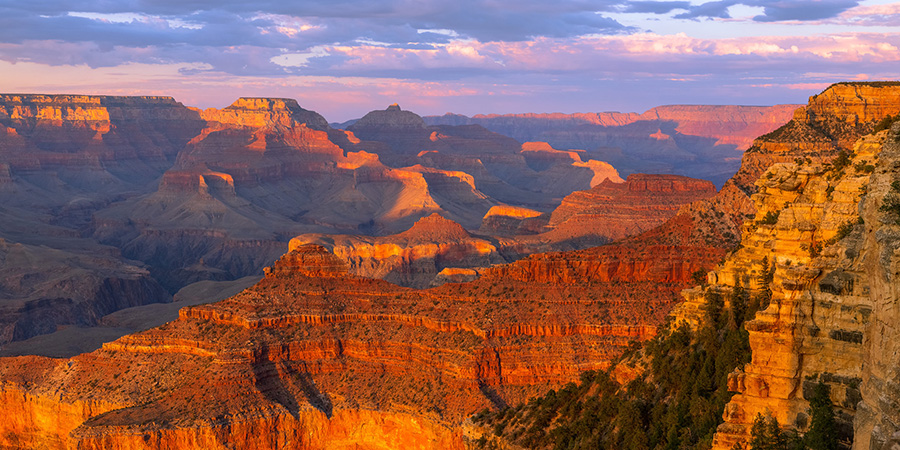
The Grand Canyon
Introduction
The United States of America is home to many natural and man-made wonders, but few places are as breathtaking and famous as the Grand Canyon. Located in the state of Arizona, the Grand Canyon is one of the largest and most beautiful natural landforms in the world. It is known for its enormous size, colorful rock layers, and deep valleys carved by nature over millions of years. Every year, millions of visitors from different countries come to see the Grand Canyon because of its stunning scenery and natural importance.
The Grand Canyon is not just a tourist attraction; it is also a place of great scientific, historical, and cultural value. It helps people understand Earth’s geological history and reminds us of the power of nature. This article explains the basic details, formation and history, why the Grand Canyon is famous, important features, activities, best time to visit, and ends with a clear conclusion.
Basic Details of the Hollywood Sign
The Grand Canyon is located in northern Arizona and stretches for about 277 miles (446 kilometers). It is up to 18 miles wide and more than one mile deep in some areas. The canyon was mainly carved by the Colorado River, which still flows through the bottom of the canyon today.
The Grand Canyon is part of the Grand Canyon National Park, which was established in 1919. It was later declared a UNESCO World Heritage Site because of its natural beauty and scientific importance. The park protects the canyon and the plants, animals, and ecosystems found within it.
Formation of the Grand Canyon
One of the most fascinating aspects of the Grand Canyon is how it was formed. The canyon did not appear suddenly; instead, it was created over a very long period of time—about 5 to 6 million years. The main force behind its formation was the Colorado River, along with wind, rain, and ice.
As the river flowed downhill, it slowly cut into the land, wearing away layers of rock. Over time, floods and natural weathering made the canyon deeper and wider. The exposed rock layers inside the canyon are extremely important because they show nearly two billion years of Earth’s history. Scientists and geologists study these layers to learn how the planet has changed over time.
The different colors of the canyon walls—reds, oranges, browns, and yellows—come from the minerals present in the rocks. These colors change depending on the time of day and the angle of sunlight, making the canyon look different every time it is viewed.
History and Cultural Importance
The Grand Canyon has been home to humans for thousands of years. Native American tribes such as the Havasupai, Hopi, Navajo, and Hualapai have lived in and around the canyon for generations. For them, the Grand Canyon is not just a landform but a sacred place with deep spiritual meaning.
In the 16th century, Spanish explorers were among the first Europeans to see the canyon. However, it remained largely unexplored until the 19th century. Later, American explorers and scientists began studying the canyon more closely.
In the early 1900s, President Theodore Roosevelt played an important role in protecting the Grand Canyon. He believed that such a natural wonder should be preserved for future generations. His efforts helped lead to the creation of the national park.
Why the Grand Canyon Is Famous
The Grand Canyon is famous mainly because of its enormous size and natural beauty. It is one of the largest canyons in the world and is often described as one of the Seven Natural Wonders of the World.
Another reason for its fame is its scientific importance. The visible rock layers make it one of the best places on Earth to study geology. The canyon also supports diverse plant and animal life, making it important for environmental studies.
The Grand Canyon is also famous in popular culture. It has appeared in books, movies, documentaries, and photographs. Many people consider visiting the Grand Canyon a once-in-a-lifetime experience.
Important Features of the Grand Canyon
The Colorado River
The Colorado River is the heart of the Grand Canyon. It flows through the canyon for hundreds of miles and continues to shape it even today. The river is also popular for rafting and boating activities.
The North Rim and South Rim
The Grand Canyon has two main viewing areas: the North Rim and the South Rim.
- The South Rim is the most popular and easiest to access. It has many viewpoints, visitor centers, and walking paths.
- The North Rim is higher in elevation, cooler, and less crowded, offering a quieter experience.
Rock Layers and Colors
The canyon walls show many layers of rock formed over millions of years. Each layer tells a story about Earth’s past, including ancient seas, deserts, and volcanic activity.
Wildlife and Plants
The Grand Canyon is home to many animals such as deer, bighorn sheep, eagles, and various reptiles. Different elevations support different plant life, from desert plants at the bottom to forests at the rim.
Activities at the Grand Canyon
Visitors to the Grand Canyon can enjoy many activities depending on their interests and physical ability.
- Sightseeing and Photography: Many viewpoints offer stunning views perfect for photos.
- Hiking: There are trails ranging from easy walks to challenging hikes.
- River Rafting: Adventure seekers can raft along the Colorado River.
- Camping: Designated areas allow visitors to experience nature overnight.
- Educational Programs: Ranger talks and visitor centers provide learning opportunities for students.
These activities make the Grand Canyon enjoyable for people of all ages.
Why People Need to Visit the Grand Canyon
Visiting the Grand Canyon allows people to experience the power and beauty of nature firsthand. It helps visitors understand how natural forces shape the Earth over time. For students, it is an excellent place to learn about geography, science, history, and environmental conservation.
The Grand Canyon also encourages respect for nature and the importance of protecting the environment. Seeing such a massive and ancient landscape often leaves visitors feeling inspired and humbled.
Best Time and Timing to Visit
The Grand Canyon is open all year round, but the best time to visit depends on personal preference.
- Best seasons: Spring (March–May) and Fall (September–November)
- Summer: Very hot at the bottom of the canyon, crowded at the rims
- Winter: Snow may close some areas, especially the North Rim
- Best time of day: Early morning or sunset for cooler temperatures and beautiful views
There is an entry fee for the national park, but students often receive discounts.
Safety and Rules
Because of its size and natural conditions, visitors should follow safety rules:
- Stay on marked trails
- Carry enough water
- Follow park instructions
- Respect wildlife and nature
These rules help protect both visitors and the environment.
Conclusion
The Grand Canyon is one of the greatest natural wonders of the world. Located in Arizona, it is famous for its massive size, colorful rock formations, and deep historical and scientific importance. Formed over millions of years by the Colorado River, the canyon stands as a powerful example of nature’s strength and beauty.
Beyond its visual appeal, the Grand Canyon teaches important lessons about Earth’s history, environmental protection, and cultural heritage. It is a place where science, history, and natural beauty come together. Visiting the Grand Canyon is not just a trip; it is an educational and inspiring experience that leaves a lasting impression on everyone who sees it.
00 Comments
No comments yet.
Leave a Comment