

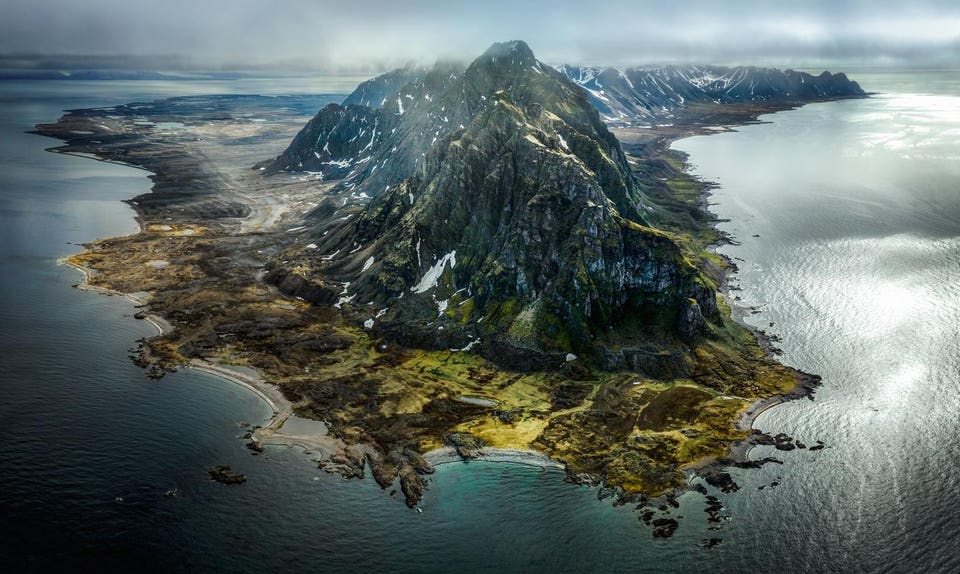
Svalbard
Introduction
Far beyond mainland Europe, deep in the icy waters of the Arctic Ocean, lies one of the most remote and fascinating destinations on Earth: Svalbard. This rugged archipelago, located halfway between Norway and the North Pole, offers travelers a rare opportunity to experience true polar wilderness. Towering glaciers, snow-covered mountains, vast tundra landscapes, and frozen fjords define this extraordinary region.
Svalbard is not just a destination for adventure travelers and scientists—it is also a place where nature reigns supreme. Wildlife such as polar bears, Arctic foxes, and reindeer roam freely across the islands, while the skies are illuminated by the mesmerizing Northern Lights during winter.
Despite its remote location, Svalbard has become an increasingly popular destination for travelers seeking unique Arctic experiences. Whether witnessing the midnight sun, exploring glaciers, or encountering wildlife in the wild, Svalbard represents one of the last untouched frontiers in Europe.
Geography and Environment
The Svalbard archipelago is located in the Arctic Ocean and is governed by Norway. Its largest island, Spitsbergen, hosts most of the region’s settlements and research stations. The islands lie roughly 1,000 kilometers from mainland Norway and only about 1,300 kilometers from the North Pole.
One of the defining features of the region is the Arctic Ocean, which surrounds the islands with icy waters and drifting sea ice throughout much of the year. Approximately 60 percent of Svalbard is covered by glaciers, making it one of the most glaciated landscapes in Europe.
The climate in Svalbard is classified as polar. Winters are extremely cold and dark, while summers are surprisingly mild with temperatures often rising above freezing. During the summer months, the region experiences the famous midnight sun, where the sun never sets for several weeks.
The unique environment of Svalbard has remained largely untouched by human development, making it an important region for scientific research and environmental conservation.
Dramatic Arctic Landscapes
Svalbard’s landscape is among the most dramatic and pristine in the world. Massive glaciers flow slowly from the mountains into icy fjords, creating towering ice cliffs that occasionally collapse into the sea with thunderous crashes.
One of the most spectacular glaciers in the region is Monacobreen Glacier, known for its bright blue ice walls and frequent calving events. Visitors often reach the glacier by expedition cruise or guided boat tours.
The archipelago also features vast tundra plains dotted with mosses, lichens, and small Arctic plants that bloom briefly during the summer season. Snow-covered peaks rise dramatically above these plains, creating breathtaking panoramic views.
Another notable feature of Svalbard is its frozen fjords. These deep coastal valleys carved by glaciers provide some of the most stunning scenery in the Arctic. During winter, many of these fjords freeze over, forming surreal landscapes of snow and ice.
The remote beauty of Svalbard’s landscapes offers photographers and nature lovers an unparalleled Arctic experience.
Wildlife of the High Arctic
Svalbard is one of the best places in the world to observe Arctic wildlife in its natural habitat. The archipelago is home to a remarkable variety of species that have adapted to extreme polar conditions.
The most famous resident of the islands is the Polar Bear, the largest land carnivore on Earth. Svalbard hosts one of the world’s largest polar bear populations, and strict safety measures are required when traveling outside settlements.
Other wildlife includes the Svalbard Reindeer, a smaller and stockier subspecies uniquely adapted to the Arctic climate. Arctic foxes roam the tundra, while walruses gather along coastal beaches.
Birdlife is also abundant. During summer, thousands of seabirds nest along the cliffs and coastal areas, including puffins, guillemots, and Arctic terns. These seasonal migrations create lively ecosystems during the brief Arctic summer.
History and Exploration
Despite its remote location, Svalbard has a long history of exploration and human activity. The islands were first discovered by European explorers in the late 16th century and quickly became an important center for Arctic whaling.
During the 17th and 18th centuries, whaling stations were established along the coastlines, leaving behind historical remains that can still be visited today.
In the early 20th century, coal mining became the primary industry in Svalbard. Settlements such as Longyearbyen developed around mining operations and eventually evolved into modern Arctic communities.
Today, Longyearbyen serves as the administrative center of Svalbard and a hub for tourism and scientific research. The region also hosts international research stations studying climate change, glaciology, and Arctic ecosystems.
Arctic Culture and Lifestyle
Life in Svalbard is shaped by the extreme Arctic environment. Residents must adapt to long polar nights, harsh weather, and the constant presence of wildlife.
The small community of Longyearbyen is surprisingly vibrant, with restaurants, museums, and cultural events despite its remote location. The town’s population is international, with residents from dozens of countries working in research, tourism, and education.
One of the most famous landmarks in Svalbard is the Svalbard Global Seed Vault, a secure facility built deep inside a mountain. The vault stores millions of crop seeds from around the world, serving as a backup for global agriculture in case of natural or human-made disasters.
This blend of modern science and remote Arctic living makes Svalbard a truly unique place on Earth.
Adventure and Outdoor Activities
Svalbard offers some of the most thrilling adventure opportunities in Europe. During winter, visitors can explore the frozen wilderness by snowmobile, traveling across glaciers and frozen fjords.
Dog sledding is another popular activity that allows travelers to experience traditional Arctic transportation while enjoying spectacular landscapes.
In summer, expedition cruises and kayaking trips explore the archipelago’s coastline, offering opportunities to see glaciers and wildlife up close. Hiking trails lead through the tundra and mountains surrounding Longyearbyen.
One of the most magical experiences in Svalbard is witnessing the Northern Lights, which illuminate the dark Arctic skies during the winter months.
Sustainability and Environmental Protection
Because of its fragile ecosystem, much of Svalbard is protected under strict environmental regulations. Large areas of the archipelago are designated as national parks, nature reserves, and protected wildlife habitats.
Tourism in Svalbard follows strict guidelines designed to minimize environmental impact. Visitors must follow regulations when traveling outside settlements and are encouraged to respect wildlife and natural landscapes.
Scientific research also plays a crucial role in protecting the Arctic environment. Researchers in Svalbard study climate change, glacial retreat, and wildlife populations to better understand global environmental challenges.
Best Time to Visit Svalbard
The best time to visit Svalbard depends on the type of experience travelers are seeking.
Summer (May to September) is ideal for wildlife viewing, boat expeditions, and hiking. During this time, the midnight sun shines continuously, creating endless daylight for exploration.
Winter (October to March) offers opportunities to see the Northern Lights, go dog sledding, and experience the dramatic polar night when the sun remains below the horizon.
Spring (March to May) is particularly popular for snowmobile adventures and glacier exploration under bright Arctic sunlight.
Each season provides a unique perspective on this remarkable Arctic landscape.
Transport and Accessibility
Although remote, Svalbard is accessible by air. Regular flights connect Longyearbyen with mainland Norway, particularly from Oslo and Tromsø.
Once on the islands, transportation options are limited. Most travel outside the town occurs through guided tours using snowmobiles, boats, or expedition vehicles.
Due to safety concerns related to polar bears and harsh weather conditions, many areas of Svalbard can only be visited with experienced guides.
Despite these challenges, the journey to Svalbard is part of the adventure, offering travelers a rare glimpse into one of the world’s most remote environments.
Why Visit Svalbard?
Svalbard offers an experience unlike anywhere else in Europe. Its untouched Arctic landscapes, extraordinary wildlife, and dramatic natural phenomena create an unforgettable travel destination.
Visitors can witness glaciers calving into icy fjords, observe polar bears in their natural habitat, and experience the surreal beauty of the midnight sun or Northern Lights.
For travelers seeking adventure, photography opportunities, and a deeper connection with nature, Svalbard stands as one of the most remarkable destinations on the planet.
Conclusion
Svalbard represents the true spirit of Arctic exploration. With its glaciers, tundra landscapes, and abundant wildlife, the archipelago offers a rare chance to experience one of Earth’s last great wilderness areas.
From the scientific research stations of Longyearbyen to the vast icy fjords and roaming polar bears, Svalbard embodies the power and beauty of the natural world. Its remote location and fragile ecosystem remind visitors of the importance of protecting our planet’s most pristine environments.
For those willing to venture far north, Svalbard promises an unforgettable journey into Europe’s polar wilderness—an extraordinary destination where adventure, science, and nature come together in the heart of the Arctic.
00 Comments
No comments yet.
Leave a Comment