

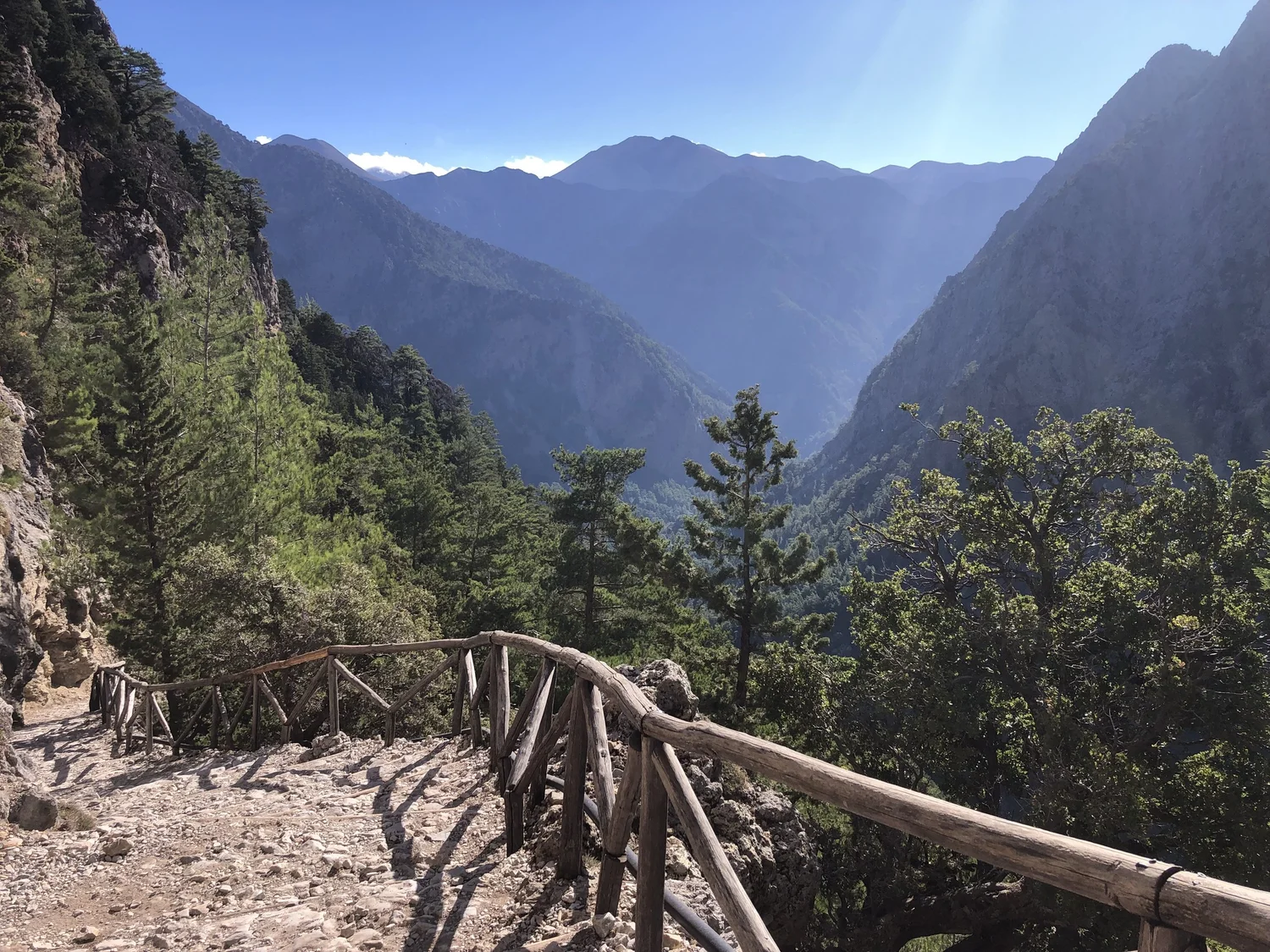
Samaria Gorge
Introduction
Hidden within the rugged White Mountains on the Greek island of Crete, Samaria Gorge is one of Europe's most spectacular natural wonders. Known as Europe's Legendary Canyon Hike, this breathtaking gorge offers an unforgettable journey through towering limestone cliffs, ancient forests, crystal-clear streams, abandoned villages, and some of the Mediterranean's most diverse wildlife.
Stretching approximately 16 kilometers (10 miles) through the heart of Samaria National Park, Samaria Gorge is the longest gorge in Greece and one of the most famous hiking destinations in Europe. Every year, hundreds of thousands of adventure seekers visit this UNESCO Biosphere Reserve to experience its dramatic scenery, rich biodiversity, and fascinating history.
The hike takes visitors from alpine pine forests at over 1,200 meters above sea level down to the sparkling waters of the Libyan Sea, passing through breathtaking landscapes that change dramatically with every kilometer. Whether you're an experienced trekker, nature photographer, wildlife enthusiast, or traveler searching for one of Greece's greatest outdoor adventures, this Samaria Gorge travel guide explains why this legendary canyon deserves a place on every hiking bucket list.
Where Is Samaria Gorge? Geography and Natural Landscape
Samaria Gorge is located in southwestern Crete within the White Mountains, approximately 45 kilometers south of Chania.
The gorge begins near the mountain village of Omalos Plateau at an elevation of around 1,250 meters and descends to the coastal village of Agia Roumeli on the Libyan Sea.
Towering limestone cliffs, some reaching over 500 meters high, surround the narrow canyon, while pine forests, cypress trees, rivers, caves, and rocky pathways create one of Europe's most diverse hiking environments.
One of the gorge's most famous sections is the Iron Gates, where the canyon narrows to just three meters wide between towering rock walls.
Why Is Samaria Gorge Famous?
Samaria Gorge is internationally recognized as one of Europe's finest hiking destinations.
The gorge is famous for:
- Greece's longest gorge
- One of Europe's most scenic hikes
- Towering limestone cliffs
- The dramatic Iron Gates
- UNESCO Biosphere Reserve
- Rare wildlife and endemic plants
- Crystal-clear mountain streams
- Historic abandoned Samaria Village
- Stunning mountain scenery
- Adventure hiking experiences
Its combination of dramatic geology, biodiversity, and breathtaking scenery makes Samaria Gorge one of Greece's greatest natural attractions.
History of Samaria Gorge
Samaria Gorge has been shaped over millions of years by water erosion cutting through the limestone mountains of Crete.
The gorge has served as a natural passage for ancient civilizations, shepherds, traders, and resistance fighters throughout Greek history.
During periods of foreign occupation, the remote canyon provided shelter for local communities and freedom fighters due to its difficult terrain.
At the heart of the gorge lies the abandoned Samaria Village, once home to local families before the area became a protected national park.
Today, Samaria Gorge is protected for both its ecological significance and cultural heritage, preserving one of Europe's most remarkable natural landscapes.
Top Attractions in Samaria Gorge
The Iron Gates - Nature's Stone Corridor
The highlight of the hike is the legendary Iron Gates.
Here, massive limestone walls rise nearly 300 meters while narrowing to only three meters apart, creating one of the most dramatic natural passages in Europe.
Walking through this spectacular corridor is the defining moment of every Samaria Gorge adventure.
Samaria Village
Located roughly halfway through the hike, Samaria Village offers a fascinating glimpse into Crete's past.
Although no longer permanently inhabited, visitors can explore restored stone buildings, a small church, and shaded rest areas while learning about the community that once thrived deep inside the canyon.
The peaceful surroundings provide an ideal place to rest before continuing the journey.
Omalos Plateau
The hike begins at the beautiful Omalos Plateau, surrounded by the majestic White Mountains.
This elevated landscape features pine forests, mountain meadows, and panoramic viewpoints overlooking the entrance to the gorge.
Early morning visitors often witness mist drifting through the surrounding peaks, creating magical scenery.
Agia Roumeli
After completing the hike, travelers arrive at the charming coastal village of Agia Roumeli.
Accessible only by boat or on foot, this peaceful seaside village offers crystal-clear waters, traditional tavernas, and beautiful pebble beaches.
Many hikers celebrate their achievement with a refreshing swim in the Libyan Sea before taking the ferry back.
Scenic River Crossings and Forest Trails
Throughout the hike, visitors cross wooden bridges, rocky streams, and shaded forest trails surrounded by towering cliffs and ancient cypress trees.
The constantly changing scenery keeps the journey exciting from start to finish.
Every section of the gorge reveals new geological formations and breathtaking viewpoints.
Wildlife and Natural Environment
Samaria National Park protects one of the Mediterranean's richest ecosystems.
Visitors may encounter:
- Cretan Wild Goat
- Golden eagles
- Griffon vultures
- Peregrine falcons
- Foxes
- Pine martens
- Native reptiles
- More than 450 plant species, many found only on Crete
The park is internationally recognized for its exceptional biodiversity and conservation efforts.
Best Things to Do in Samaria Gorge
Samaria Gorge offers unforgettable outdoor adventures.
Popular activities include:
- Hiking the entire gorge
- Photographing the Iron Gates
- Wildlife watching
- Nature photography
- Exploring Samaria Village
- Birdwatching
- Visiting mountain viewpoints
- Swimming in the Libyan Sea
- Enjoying traditional Cretan cuisine
- Learning about local history
Every step through the canyon offers new landscapes and unforgettable experiences.
Local Culture and Traditional Cuisine
The villages surrounding Samaria Gorge preserve the authentic traditions of rural Crete.
Visitors can enjoy locally produced olive oil, mountain honey, fresh cheeses, grilled lamb, handmade pastries, and traditional dishes such as Dakos, Kalitsounia, and slow-cooked Cretan specialties.
The region is also famous for warm hospitality, folk music, and centuries-old mountain traditions that continue to shape local life.
Supporting family-owned tavernas and guesthouses helps preserve the area's cultural heritage.
Sustainable Tourism and Conservation
Samaria Gorge is one of Greece's most carefully protected natural areas.
Strict conservation measures help preserve its rare wildlife, fragile ecosystems, and unique geological features.
Visitors are encouraged to remain on designated trails, avoid disturbing wildlife, carry reusable water bottles, and leave no trace behind.
Responsible tourism ensures that future generations can continue to experience this remarkable canyon.
Best Time to Visit Samaria Gorge (Month-by-Month Guide)
The hiking season generally runs from May to October, depending on weather conditions.
May and June offer blooming wildflowers, comfortable temperatures, and flowing mountain streams.
September and October provide cooler weather, fewer crowds, and excellent hiking conditions.
The gorge is usually closed during winter because of heavy rainfall and flash flood risks.
Starting the hike early in the morning helps avoid midday heat during summer.
How to Get to Samaria Gorge
Most travelers begin their journey in Chania, which is well connected to mainland Greece by flights and ferries.
From Chania, buses travel to Omalos Plateau, the official entrance to the gorge.
After completing the hike, ferries depart from Agia Roumeli to nearby coastal towns, where buses return visitors to Chania.
Many travelers also choose organized hiking tours that handle all transportation logistics.
Essential Travel Tips for Visiting Samaria Gorge
Proper preparation makes the hike safer and more enjoyable.
- Start your hike early in the morning.
- Wear sturdy hiking shoes with good grip.
- Carry plenty of drinking water.
- Pack sunscreen, sunglasses, and a hat.
- Bring light snacks for the trail.
- Follow park safety guidelines at all times.
- Respect wildlife and avoid leaving litter.
Being well prepared ensures a rewarding hiking experience.
Why Visit Samaria Gorge?
Samaria Gorge offers one of Europe's most rewarding hiking adventures. From towering limestone cliffs and narrow canyon passages to crystal-clear streams, ancient forests, and spectacular mountain scenery, every section of the trail showcases the natural beauty of Crete.
Whether you're hiking through the famous Iron Gates, spotting the rare Cretan wild goat, exploring the abandoned village of Samaria, or ending your journey with a swim in the Libyan Sea, every moment becomes a lasting memory.
For hikers, photographers, wildlife lovers, and outdoor enthusiasts, Samaria Gorge is an unforgettable destination.
Conclusion
Samaria Gorge is far more than a hiking trail - it is one of Europe's greatest natural treasures. Its dramatic limestone cliffs, rare wildlife, rich history, ancient forests, and breathtaking landscapes create an experience unlike any other in the Mediterranean.
As one of Greece's most iconic national parks and a UNESCO-recognized biosphere, it continues to inspire travelers seeking adventure, natural beauty, and authentic outdoor experiences.
For anyone looking to discover one of Europe's most spectacular canyon hikes, Samaria Gorge truly lives up to its reputation as Europe's Legendary Canyon Hike.
00 Comments
No comments yet.
Leave a Comment