

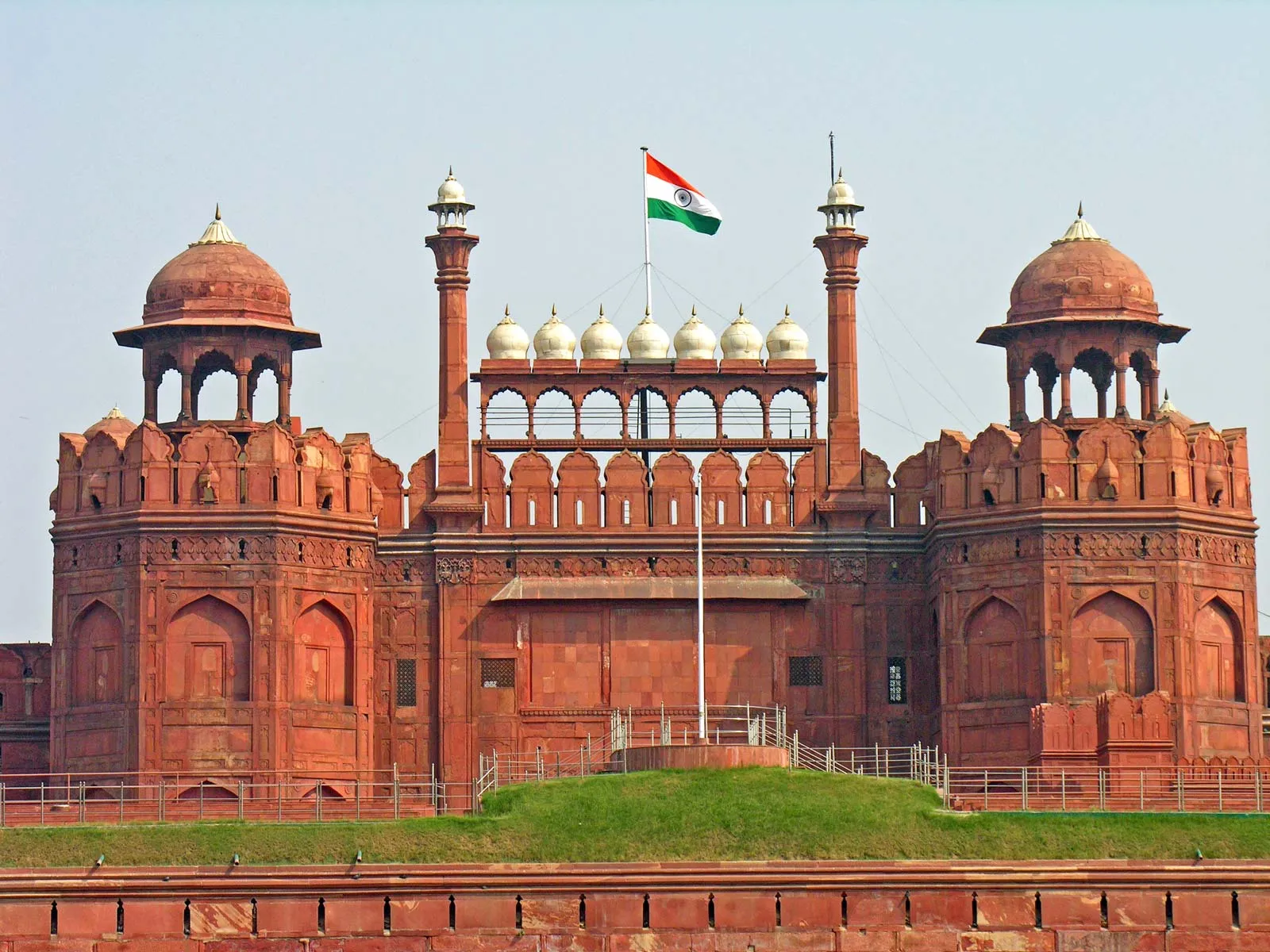
Red Fort
Introduction
The Red Fort, also known as Lal Qila, is one of the most iconic historical monuments in India. Located in the heart of Old Delhi, it stands as a powerful symbol of India’s rich cultural heritage, architectural brilliance, and long struggle for independence. Built during the Mughal era, the Red Fort served as the main residence of Mughal emperors for nearly 200 years and witnessed many important events that shaped Indian history.
Constructed from striking red sandstone, the fort reflects the grandeur and authority of the Mughal Empire. Today, it is not only a popular tourist destination but also a national symbol, as the Prime Minister of India addresses the nation from the Red Fort every year on Independence Day. Recognized as a UNESCO World Heritage Site, the Red Fort continues to inspire pride and respect among Indians and visitors from around the world.
This article explores the history, architecture, cultural significance, and modern relevance of the Red Fort.
Historical Background
Construction and Origins
The Red Fort was commissioned by Emperor Shah Jahan, the fifth Mughal ruler, in 1638 when he decided to shift the capital of the Mughal Empire from Agra to Delhi. The fort was completed in 1648 and became the center of Mughal political and cultural life. Shah Jahan named the new capital Shahjahanabad, which is now known as Old Delhi.
The construction of the Red Fort took nearly ten years and involved skilled artisans, architects, and laborers from different parts of the empire. The fort was designed not only as a defensive structure but also as a royal palace that reflected luxury, order, and artistic excellence.
Role During the Mughal Period
For almost two centuries, the Red Fort served as the residence of Mughal emperors, including Aurangzeb, Jahandar Shah, and Bahadur Shah Zafar. Important decisions regarding governance, military campaigns, and diplomacy were made within its walls.
The fort also became a center for cultural activities such as poetry, music, and art. Persian culture, which strongly influenced the Mughal court, was reflected in the design and decoration of the fort’s buildings.
Decline of Mughal Power
With the decline of the Mughal Empire in the 18th century, the importance of the Red Fort gradually diminished. In 1857, during the First War of Indian Independence, the fort became a major center of resistance against British rule. After suppressing the uprising, the British took control of the fort, destroyed many of its structures, and used it for military purposes.
Architectural Grandeur of the Red Fort
Overall Design
The Red Fort is a masterpiece of Mughal architecture, blending Persian, Islamic, and Indian styles. It covers an area of approximately 254 acres and is surrounded by massive red sandstone walls that rise up to 33 meters in height.
The fort is designed in the shape of an irregular octagon, with two main gates: the Lahori Gate and the Delhi Gate. The Lahori Gate is the main entrance and is the site from which the Prime Minister delivers the Independence Day speech.
Major Structures Inside the Fort
Diwan-i-Aam (Hall of Public Audience)
The Diwan-i-Aam was the place where the emperor addressed the general public and heard their grievances. It is a large open hall with rows of arches supported by columns. The emperor’s throne was placed at one end, symbolizing justice and authority.
Diwan-i-Khas (Hall of Private Audience)
The Diwan-i-Khas was reserved for meetings with nobles, ambassadors, and important guests. This hall is famous for its elegant marble work and precious stone inlays. It once housed the legendary Peacock Throne, which was taken to Persia by Nadir Shah in 1739.
An inscription in the Diwan-i-Khas reads:
“If there is a paradise on earth, it is here, it is here, it is here.”
Rang Mahal (Palace of Colors)
The Rang Mahal was the residence of the emperor’s wives and mistresses. It was beautifully decorated with mirrors, paintings, and flowing water channels that kept the palace cool during summers.
Moti Masjid (Pearl Mosque)
Built by Emperor Aurangzeb, the Moti Masjid is a small but elegant mosque made entirely of white marble. It was used by the royal family for prayers and reflects simplicity and spiritual devotion.
Hayat Bakhsh Bagh (Life-Giving Garden)
This garden was designed in the traditional Mughal charbagh style, symbolizing paradise. Water channels, fountains, and greenery created a peaceful environment within the fort.
The Red Fort and Indian Freedom Struggle
The Revolt of 1857
The Red Fort played a significant role during the First War of Indian Independence in 1857. Bahadur Shah Zafar, the last Mughal emperor, was declared the symbolic leader of the revolt. After the failure of the uprising, the British exiled him to Rangoon (now Yangon), marking the end of Mughal rule in India.
INA Trials
During the 1940s, the Red Fort gained renewed importance when the British held trials of Indian National Army (INA) officers there. These trials sparked widespread protests and strengthened the independence movement.
Independence Day Celebrations
On 15 August 1947, India gained independence from British rule. Since then, the Red Fort has become a national symbol of freedom. Every year on Independence Day, the Prime Minister hoists the national flag at the fort and addresses the nation.
Cultural and National Significance
Symbol of Sovereignty
The Red Fort represents India’s sovereignty and democratic values. It connects modern India with its historical past and reminds citizens of the sacrifices made for freedom.
UNESCO World Heritage Site
In 2007, the Red Fort was declared a UNESCO World Heritage Site for its historical, architectural, and cultural importance. This recognition highlights its global value and ensures efforts toward its preservation.
Tourism and Education
Millions of tourists visit the Red Fort every year. It serves as an educational site where people learn about Mughal history, colonial rule, and India’s independence movement.
Preservation and Conservation
Challenges
Over time, pollution, overcrowding, and environmental factors have caused damage to the fort’s structures. Some buildings were also altered or destroyed during British rule.
Restoration Efforts
The Archaeological Survey of India (ASI) is responsible for the maintenance and conservation of the Red Fort. Restoration projects aim to preserve the original design while ensuring visitor safety.
Light-and-sound shows are also organized to educate visitors about the fort’s history in an engaging way.
The Red Fort in Modern India
Today, the Red Fort stands as a bridge between the past and the present. It is not just a monument but a living symbol of India’s journey through empires, colonialism, and independence.
The fort continues to inspire artists, writers, historians, and citizens. National ceremonies, cultural programs, and exhibitions held here keep its legacy alive for future generations.
Conclusion
The Red Fort is much more than a historical monument. It is a powerful symbol of India’s rich heritage, architectural excellence, and enduring spirit of freedom. From the grandeur of Mughal rule to the struggles against colonialism, the Red Fort has witnessed some of the most important chapters of Indian history.
Standing tall in the heart of Delhi, the Red Fort reminds us of the values of justice, unity, and resilience. Preserving this magnificent monument is not only a responsibility but also a tribute to the generations that shaped India’s past and continue to define its future.

00 Comments
No comments yet.
Leave a Comment