

Penguin Parade
Introduction
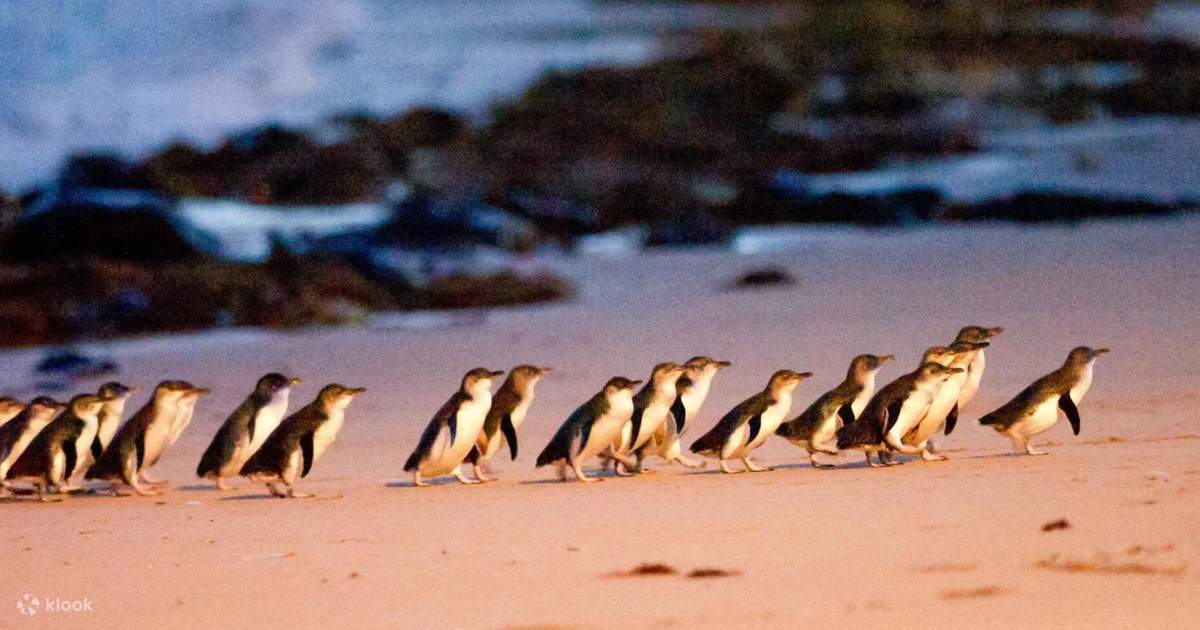
The Penguin Parade at Phillip Island, Victoria, Australia, is one of the country’s most iconic wildlife attractions. Famous for the nightly return of the little penguins, the world’s smallest penguin species, the parade offers visitors an unforgettable opportunity to witness wild animals in their natural habitat. Every evening, as the sun sets over the Southern Ocean, hundreds of penguins waddle ashore to their burrows after a day of fishing at sea.
Phillip Island is renowned for its natural beauty and diverse wildlife, making it a popular destination for tourists and nature enthusiasts. The Penguin Parade combines entertainment, education, and conservation, allowing people to connect with nature while supporting wildlife protection efforts. This article explores the geography, attractions, wildlife, importance, threats, and conservation efforts surrounding the Penguin Parade.
Geography and Location
Phillip Island is located about 140 kilometers southeast of Melbourne, in the state of Victoria. The island covers approximately 100 square kilometers and is surrounded by the Bass Strait, offering dramatic coastal scenery, sandy beaches, and rich ecosystems.
The Penguin Parade occurs on Summerland Beach, a protected area on the island’s southern coast. The beach is carefully managed to ensure penguins can safely return to their burrows while visitors observe from designated viewing platforms and boardwalks. The island’s climate is temperate, with mild summers and cool winters, making it suitable for wildlife year-round.
Tourist Attractions Around Phillip Island
The Penguin Parade Itself
The main attraction is the little penguins’ nightly march from sea to land. Visitors watch quietly from tiered viewing stands as the penguins emerge from the water in groups and waddle across the sand toward their burrows. Penguins move in family groups or alone, often stopping to socialize or interact, creating an adorable spectacle that delights audiences of all ages.
The parade is best observed at sunset, and the number of penguins varies depending on the season and ocean conditions. Boardwalks and viewing platforms are designed to keep visitors at a safe distance so that penguins are not disturbed. Flash photography and loud noises are strictly prohibited to protect these sensitive animals.
Koalas and Other Wildlife
While the penguins are the main highlight, Phillip Island offers additional wildlife experiences, including:
- Koala Conservation Centre – Walk among eucalyptus trees and observe koalas in their natural habitat.
- Seal Rocks – View a large colony of Australian fur seals from the coastline or by boat.
- Phillip Island Wildlife Park – See kangaroos, wombats, and native birds in a safe environment.
These attractions complement the Penguin Parade and provide visitors with a broader understanding of Australia’s unique fauna.
Activities for Visitors
In addition to observing penguins, visitors can enjoy:
- Guided Tours – Learn about penguin behavior, breeding, and conservation from expert rangers.
- Eco Boat Tours – Explore coastal waters and spot marine life such as dolphins, seals, and seabirds.
- Nature Walks – Trails along the island’s cliffs and beaches provide scenic views and wildlife spotting opportunities.
- Photography Experiences – Controlled programs allow for ethical wildlife photography without disturbing the penguins.
These activities ensure that visitors of all ages have an engaging and educational experience.
Wildlife and Biodiversity
Little Penguins
The little penguin (Eudyptula minor) is the star of the parade. Standing at about 33 centimeters tall and weighing around 1 kilogram, it is the smallest penguin species in the world. Penguins spend most of the day at sea hunting for fish, squid, and other small marine creatures before returning to their burrows at night.
Other Species
Phillip Island is home to a variety of other wildlife, including:
- Seals and sea lions along the coast
- Koalas in eucalyptus forests
- Kangaroos, wombats, and native birds on the island
- Various seabirds, including gulls and cormorants
The diversity of species makes Phillip Island a hub for nature lovers and conservationists alike.
Importance of the Penguin Parade
Environmental Importance
The Penguin Parade plays a vital role in protecting little penguins and maintaining the island’s ecosystem. By conserving natural habitats, the parade ensures that penguins and other wildlife continue to thrive in a relatively undisturbed environment. The surrounding dunes and vegetation also prevent erosion and provide shelter for other native species.
Economic Importance
The Penguin Parade is a major contributor to Victoria’s tourism industry, attracting over 500,000 visitors annually. Revenue from ticket sales supports local businesses, guides, accommodation, and conservation programs, making it an essential part of the island’s economy.
Educational and Cultural Importance
The Penguin Parade provides opportunities for environmental education. Visitors learn about penguin behavior, the challenges wildlife face, and the importance of conservation. For Indigenous Australians, the land and sea around Phillip Island hold cultural and spiritual significance, linking the wildlife and landscape to traditional ecological knowledge.
Threats to the Penguin Population
Despite protection efforts, little penguins face several challenges:
- Predation – Introduced animals such as foxes, cats, and dogs can harm penguins.
- Climate Change – Rising sea temperatures and extreme weather events affect food availability and nesting habitats.
- Pollution – Oil spills, plastic waste, and chemical runoff can harm penguins and other marine life.
- Human Disturbance – Unregulated tourism or coastal development may disrupt penguin habitats.
Conservation efforts aim to minimize these threats through monitoring, habitat protection, and public education.
Conservation and Protection Efforts
The Penguin Parade is managed by Phillip Island Nature Parks, a non-profit organization dedicated to conservation. Key initiatives include:
- Protected Viewing Areas – Ensuring penguins can return safely to their burrows.
- Predator Control Programs – Removing invasive species that threaten penguins.
- Habitat Restoration – Planting native vegetation and maintaining dune systems.
- Research and Monitoring – Tracking penguin numbers, breeding success, and behavior.
- Public Awareness Campaigns – Educating visitors about sustainable tourism and wildlife protection.
Global attention and responsible tourism practices are vital to the ongoing survival of the little penguin population.
Why the Penguin Parade Is Popular
Several factors make the Penguin Parade a must-visit destination:
- Unique Wildlife – Witness the world’s smallest penguins in their natural habitat.
- Scenic Location – Beautiful beaches, cliffs, and coastal landscapes.
- Educational Experience – Learn about penguin ecology and conservation.
- Family-Friendly – Suitable for visitors of all ages.
- Global Significance – Highlights the importance of protecting vulnerable species and ecosystems.
The combination of entertainment, education, and conservation awareness makes the parade a memorable experience for all visitors.
Conclusion
The Penguin Parade at Phillip Island is a remarkable wildlife experience, offering insight into the lives of little penguins and the importance of environmental stewardship. Beyond the charming spectacle of penguins waddling ashore, the parade supports conservation, research, and education, making it a model of sustainable tourism.
By protecting habitats, managing human interaction, and promoting awareness, the Penguin Parade ensures that future generations can continue to enjoy this natural wonder. For anyone interested in wildlife, nature, or environmental conservation, Phillip Island stands as a shining example of how humans and animals can coexist harmoniously.
00 Comments
No comments yet.
Leave a Comment