

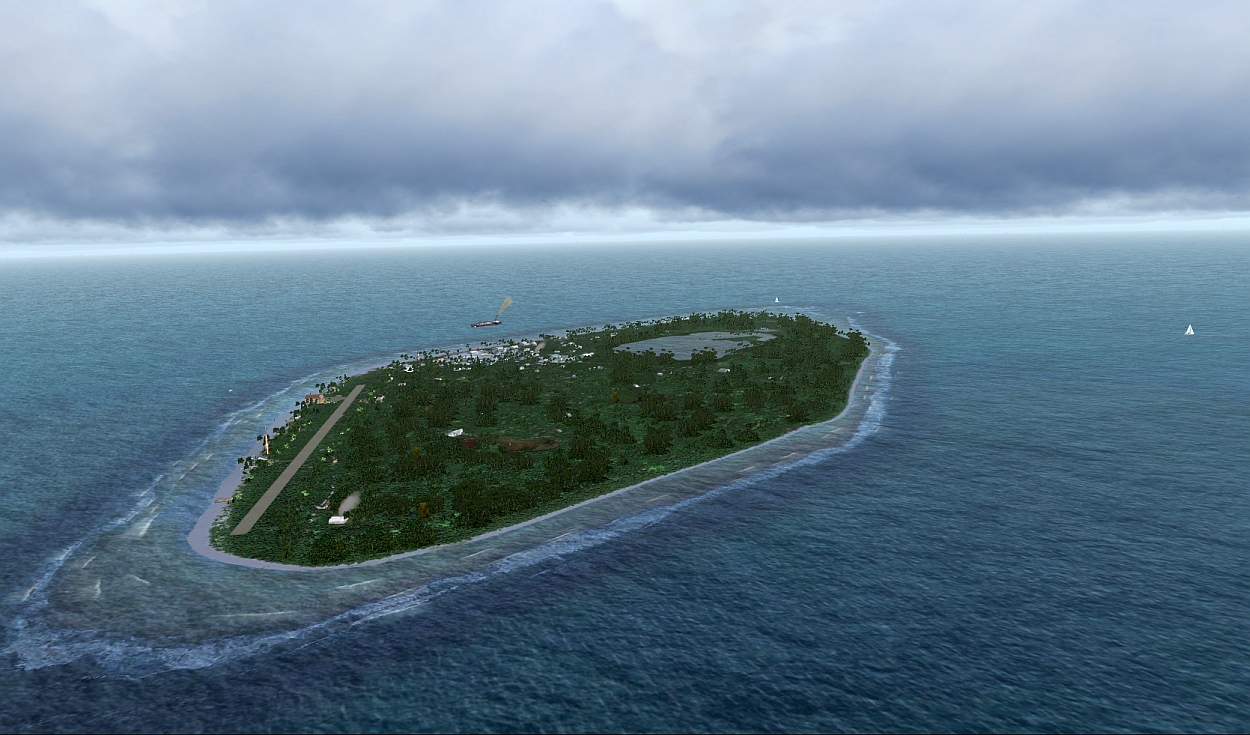
Nanumanga
Nanumanga is a remote and beautiful atoll located in the Pacific island nation of Tuvalu. Its tranquil lagoon, crystal clear waters, and stunning coral reefs make it a paradise for those seeking an off-the-beaten-path travel experience.
If you are interested in exploring the natural beauty and cultural heritage of Tuvalu, this article will help you to explore Nanumanga, the top tourist destination of Tuvalu.
All About Nanumanga In Tuvalu
Nanumanga is an atoll and one of the nine districts of the Pacific Island nation of Tuvalu. It is located in the northern part of the country, about 320 km (200 mi) northwest of the capital city of Funafuti. Also, it comprises 12 islets and has a total land area of only 3.37 square kilometers (1.30 square miles). As of the 2012 census, the population of Nanumanga was 590 people.
Despite being one of the smallest and least populated atolls in Tuvalu, Nanumanga offers visitors a range of activities to enjoy. Snorkeling and swimming in the lagoon are popular pastimes, as are fishing and exploring the island's unique geological formations, including the limestone caves and fire caves.
Visitors can also experience the island's rich cultural heritage through traditional dancing and music performances held in the community hall. As a remote and sparsely populated atoll, visitors are advised to bring their own food and supplies and respect the local customs and traditions of the islanders.
What Is The History Of Nanumaga?
The history of Nanumanga dates back to at least the 14th century when it is believed to have been first settled by Polynesians. The atoll was later visited by European explorers, including the Dutch navigator Jacob Le Maire in 1616 and the British captain Samuel Wallis in 1767.
In the 19th century, Nanumanga came under the control of the British, who declared it a protectorate in 1892. It became part of the Gilbert and Ellice Islands colony in 1915 and gained independence as part of Tuvalu in 1978.
What Is The Caves Of Nanumanga?
The underwater caves of Nanumanga are located off the island of Tuvalu's Nanumanga on the western coast of Polynesia. The Caves of Nanumanga is a unique attraction on the atoll, known for its unusual geology and fascinating history. In 1986, two scuba divers made the discovery.
These limestone caves were formed over millions of years by the action of waves and tides and are home to a variety of stalactites, stalagmites, and other mineral formations. The island's inhabitants used the caves in the past as a place to hide from enemies and store food and other supplies. Visitors may get up close and personal with the island's unique aquatic ecology by snorkeling or diving into the tubes of the caves.
The Fire Caves of Nanumanga are another name for these. Wait, it’s not over yet. There is some interesting and unusual fact about this fire cave. So, let’s learn about it!
What Was Unusual About The Fire Caves Of Nanumanga?
The Fire Cave is submerged, unlike Cosquer Cave; hence there is less overt evidence of human occupancy there. But, the unusual fact about this cave is that it is 37-47 meters below sea level. Coral shards that have been burned and blackened walls are indications of fire that humans could have only started.
These caves are known for their unusual natural phenomenon where, when the waves crash against the rocks outside the cave, the air inside the cave is compressed and heated, creating flames that shoot out of small vents in the cave walls. The flames are not dangerous, but they can be quite spectacular to see.
Things To Do At Nanumanga
Nanumanga offers visitors to explore the natural wonders and experience the cultural traditions of this beautiful island.
Here are some of the top things to do in Nanumanga:
· Snorkeling and swimming: With its crystal clear waters and stunning coral reefs, the lagoon at Nanumanga is a paradise for snorkeling and swimming.
· Fishing: Fishing is a popular pastime on the island, and visitors can try their hand at catching some of the local fish species.
· Exploring the caves: The limestone caves and fire caves are a unique and fascinating feature of the island's geology, and visitors can explore these natural wonders with a local guide.
· Experiencing the culture: Visitors can attend traditional dancing and music performances at the community hall and learn about the customs and traditions of the islanders.
· Relaxing on the beaches: Nanumanga's pristine beaches are the perfect place to relax and soak up the sun.
How To Get There?
To get to Nanumanga, you can take a domestic flight from the capital city of Funafuti to the island's airstrip or travel by boat from other islands in the Tuvalu archipelago. It is important to note that as a remote and sparsely populated atoll, you should be prepared to bring your own food and supplies and respect the local customs and traditions of the islanders.
Conclusion
Nanumanga is a unique and fascinating atoll in the Pacific island nation of Tuvalu. Its geography, including the limestone caves and fire caves, offers visitors a chance to explore and learn about the island's history. The history of Nanumanga is also rich and diverse, with a long tradition of Polynesian settlement and European exploration.
Despite its remote location and small population, the island offers visitors a range of activities and experiences, from swimming and fishing to learning about traditional dancing and music. For those interested in exploring the natural beauty and cultural heritage of Tuvalu, Nanumanga is a must-visit destination.
00 Comments
No comments yet.
Leave a Comment