
Traveller

Mount Everest

Mount Everest

Introduction

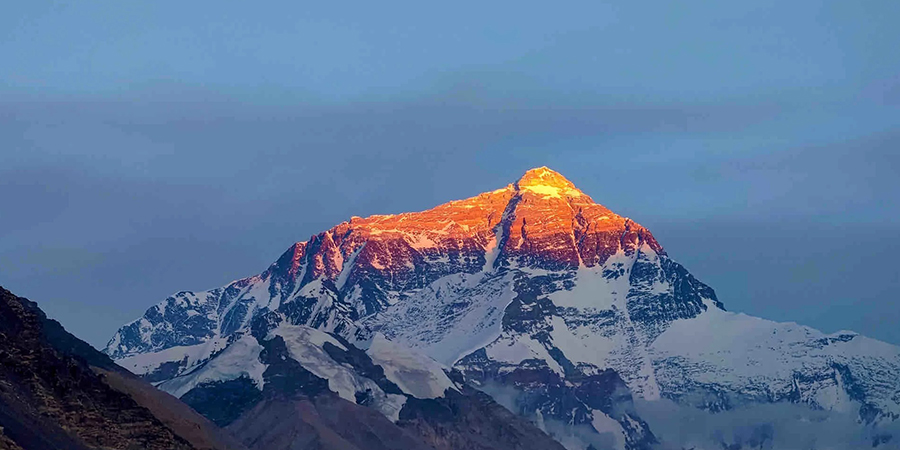
Mount Everest, standing at an awe-inspiring height of 8,848.86 meters (29,031.7 feet), is the highest mountain on Earth and one of the most powerful symbols of human ambition and endurance. Located in the majestic Himalayas on the border between Nepal and the Tibet Autonomous Region of China, Everest—known as Sagarmatha in Nepalese and Chomolungma in Tibetan—has fascinated explorers, climbers, scientists, and dreamers for centuries. More than just a mountain, Mount Everest represents the meeting point of nature’s raw power and humanity’s relentless desire to push beyond perceived limits.


Geographical and Geological Significance

Mount Everest is part of the Himalayan mountain range, which was formed around 50 million years ago as a result of the collision between the Indian and Eurasian tectonic plates. Remarkably, Everest continues to grow by a few millimeters each year due to ongoing tectonic activity. The mountain is composed primarily of sedimentary and metamorphic rocks, including limestone found near the summit—evidence that these towering peaks were once part of an ancient ocean floor.

Everest’s extreme altitude creates some of the harshest environmental conditions on the planet. Temperatures near the summit can drop below -60°C (-76°F), and winds can exceed 160 kilometers per hour (100 mph). Oxygen levels at the summit are only about one-third of those at sea level, making survival without supplemental oxygen nearly impossible for extended periods.


Discovery and Early Exploration

Although local communities had revered Mount Everest for centuries, it remained largely unknown to the Western world until the 19th century. In 1856, British surveyors officially identified it as the world’s highest peak during the Great Trigonometric Survey of India. The mountain was named after Sir George Everest, a former Surveyor General of India, despite his never having seen it.

Early attempts to reach Everest’s summit were fraught with danger and mystery. British expeditions in the 1920s and 1930s laid the groundwork for future climbs, mapping routes and testing the limits of human endurance at extreme altitudes. Among these early explorers was George Mallory, who famously disappeared on the mountain in 1924. To this day, it remains a subject of debate whether Mallory and his climbing partner Andrew Irvine may have reached the summit before perishing.


The First Successful Ascent

The mystery and allure of Everest culminated on May 29, 1953, when Sir Edmund Hillary of New Zealand and Tenzing Norgay, a Sherpa climber from Nepal, became the first confirmed individuals to reach the summit. Their historic ascent via the Southeast Ridge route marked a turning point in mountaineering history and captured the imagination of the world.

Hillary and Tenzing’s success was the result of careful planning, teamwork, and the invaluable support of Sherpa climbers, whose knowledge of the terrain and high-altitude resilience played a crucial role. Their achievement transformed Mount Everest from an unconquered peak into a symbol of what humanity could accomplish through perseverance and collaboration.


Climbing Everest: Routes and Challenges

Today, climbing Mount Everest remains one of the most demanding physical and psychological challenges in the world. There are two main routes to the summit: the Southeast Ridge from Nepal and the North Ridge from Tibet. While both routes present extreme difficulties, the Southeast Ridge is more commonly used due to fewer technical obstacles and better infrastructure.

Key challenges include navigating the Khumbu Icefall, a constantly shifting maze of ice towers and crevasses; surviving the “Death Zone” above 8,000 meters, where the human body rapidly deteriorates; and enduring unpredictable weather conditions that can change within minutes. Frostbite, altitude sickness, avalanches, and exhaustion are constant threats.

Despite advancements in technology, gear, and forecasting, Everest remains perilous. Hundreds of climbers have lost their lives on its slopes, and many bodies remain on the mountain, serving as stark reminders of the risks involved.


The Role of the Sherpa Community

No discussion of Mount Everest is complete without acknowledging the Sherpa people, an ethnic group native to the Himalayan region. Sherpas have been integral to Everest expeditions since the early days, working as guides, porters, and high-altitude specialists. Their remarkable adaptation to high altitudes, combined with deep local knowledge, makes them indispensable to climbers from around the world.

Beyond their physical contributions, Sherpas also bring cultural and spiritual depth to Everest expeditions. Many view the mountain as sacred and perform religious ceremonies before climbs to seek blessings and safe passage. In recent years, Sherpa climbers have gained greater recognition for their achievements, including setting records and advocating for safer working conditions.


Environmental and Ethical Concerns

As Everest’s popularity has grown, so too have concerns about overcrowding and environmental degradation. During peak climbing seasons, long queues of climbers can form near the summit, increasing the risk of accidents and fatalities. Additionally, decades of expeditions have left behind tons of waste, including discarded equipment, oxygen bottles, and human waste.

In response, the Nepalese government and various organizations have implemented cleanup campaigns and stricter regulations, such as requiring climbers to bring back a certain amount of waste. Ethical debates also continue regarding commercialization, as guided expeditions make Everest accessible to climbers with varying levels of experience.


Everest Beyond Climbing

For many, experiencing Mount Everest does not require standing on its summit. Trekking to Everest Base Camp has become a popular adventure, offering breathtaking views and cultural encounters without the extreme risks of summit attempts. The trek allows visitors to immerse themselves in the Himalayan landscape, visit monasteries, and gain insight into Sherpa life.

Everest also plays a significant role in scientific research. Studies conducted on the mountain contribute to our understanding of climate change, glacial melting, and human physiology under extreme conditions. The visible retreat of glaciers around Everest is a powerful indicator of global environmental change.


Conclusion: A Timeless Icon

Mount Everest continues to stand as a monument to both the power of nature and the resilience of the human spirit. It challenges those who approach it, rewards humility, and demands respect. Whether viewed as a sacred mountain, a scientific laboratory, or the ultimate mountaineering goal, Everest holds a unique place in the world’s imagination.

As long as people seek to test their limits and explore the unknown, Mount Everest will remain a beacon of inspiration and caution—a reminder that even the highest peaks must be approached with reverence, responsibility, and awe.

00 Comments

No comments yet.

Leave a Comment

We are offering for you

Featured Articles

Niagara Falls

Niagara Falls is one of the most popular tourist destinations in North America. Every year, millions of people visit Niagara Falls to see the amazing sights and experience the natural wonders of this world-famous destination.

The History of Niagara Falls

Niagara Falls has been a tourist destination for centuries. The first person to visit Niagara Falls was Father Louis Hennepin, a French missionary, in 1678. He wrote about the beauty of the falls, which attracted other European explorers and settlers to the area.

In the early 19th century, Niagara Falls became a popular honeymoon destination for American couples. The popularity of the falls as a tourist destination grew throughout the 19th and 20th centuries. Today Niagara Falls is one of the most popular tourist destinations, attracting millions of visitors each year.

The Different Views of Niagara Falls

There are three different ways to view Niagara Falls: from the Canadian side, from the American side, and from above.

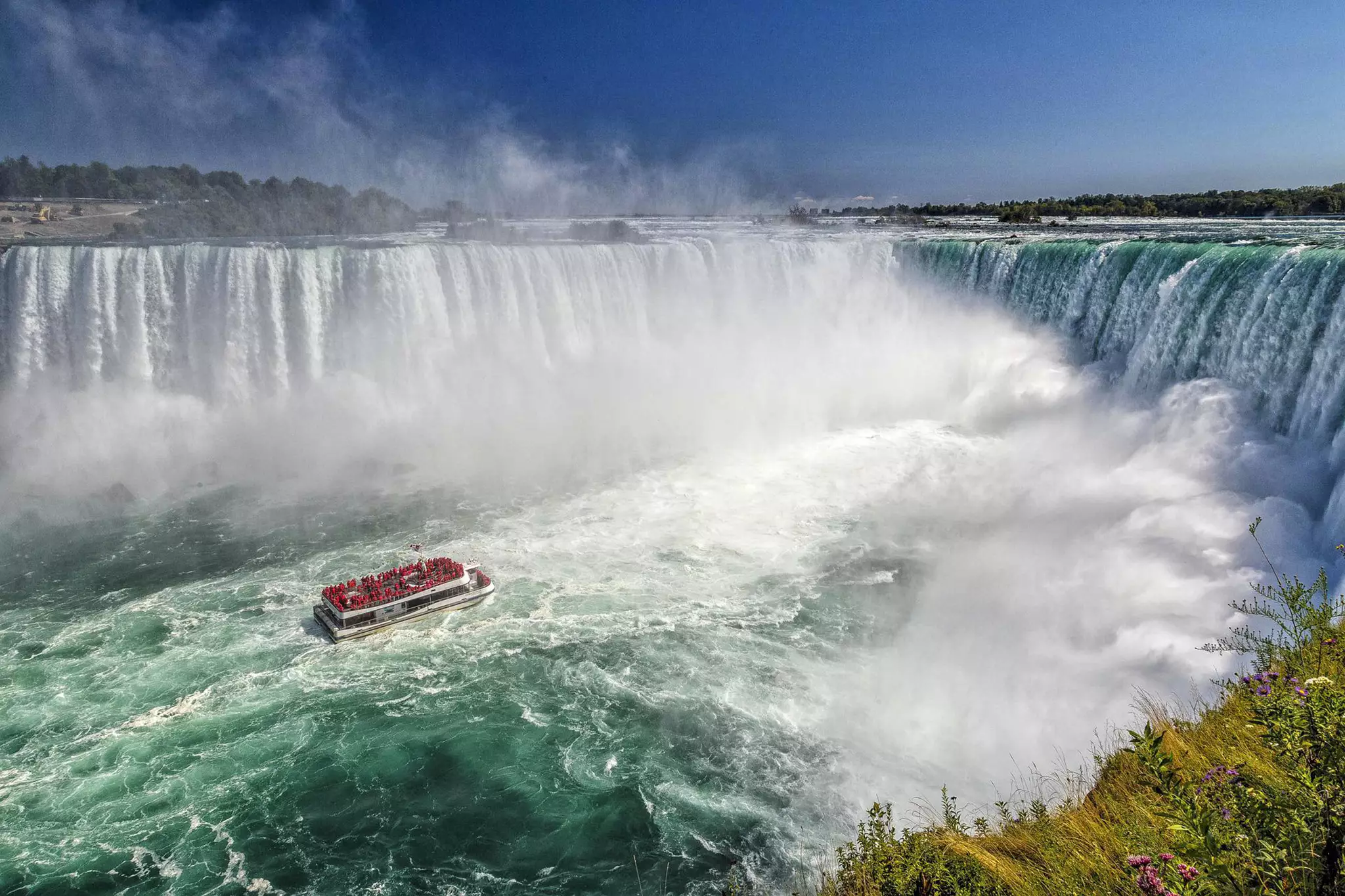
·        The Canadian side offers the best views of Niagara Falls. There are several observation decks, viewing areas, and a boardwalk that takes you right to the edge of the falls. You can also take a ride on the Maid of the Mist boat tour, which gets you up close and personal with the falls.

·        The American side offers different views of Niagara Falls than what you will see from the Canadian side. The most popular spot to view Niagara Falls on the American side is Goat Island, where you can walk out to the edge of Horseshoe Falls. Another great spot for views is Prospect Point Park, where you can get a bird’s eye view of all three waterfalls.

·        For something truly unique, take a trip aboard the Niagara Gorge Railway and enjoy panoramic views of Niagara Falls from above. It is a great way to see all three waterfalls at once and get an idea of how massive they are.

The Edge of the Niagara Falls

The edge of the falls is the best place to see the power of the water as it tumbles over the precipice. Several observation decks along the Niagara Gorge offer breathtaking views of the falls. The Rainbow Bridge, which spans the gorge just upstream from the falls, is a popular spot for picture-taking and boasts an up-close view of both the American and Horseshoe Falls.

Daredevils of Niagara Falls

Since the early days of Niagara Falls, people have been drawn to its raw power and beauty. Over the years, many have attempted to conquer the falls, often with tragic results. Here are some of the most famous (or infamous) daredevils who have taken on Niagara Falls:

·        Annie Edson Taylor was the first person to go over Niagara Falls in a barrel. She did it on her 63rd birthday in 1901 to achieve fame and fortune. Thankfully, she survived the stunt and lived to tell the tale.

·        Bobby Leach was the second person to went over Niagara Falls in a barrel. He did it in 1911 and also survived. Later he performed other stunts, including walking across a tightrope stretched over the falls.

·        Charles Stephens attempted to go over Niagara Falls in a barrel in 1920 but died during the attempt. His body is still missing.

·        Red Hill Sr., along with his son Red Hill Jr., became the first (and only) father and son duet, who went over Niagara Falls together in a barrel. They did it in 1951, and both survived.

·        Nik Wallenda became the first person to walk across Niagara Falls on a tightrope in 2012. He completed the stunt, which was televised live around the world.

How to get to Niagara Falls

Niagara Falls are located on the border between the United States and Canada, so there are a few different ways to reach them depending on your location.

If you are coming from the United States, the easiest way to get to Niagara Falls is by car. Several highways lead right to the falls, and once you cross the border into Canada, signs will point you in the right direction.

If you are coming from Toronto or another Canadian city, you can take a bus or train to Niagara Falls.

Once you arrive in Niagara Falls, there are plenty of ways to get up close and personal with the falls.

·        You can walk along the edges of the waterfall.

·        You can ride an elevator to the top of one of the falls for an incredible view.

·        You can also take a boat tour that takes you right into the spray of the falls.

Travel Guide for Niagara Falls

While planning a trip to Niagara Falls, there are a few things to know before visiting. Here is a travel guide for sightseers that will help you make the most of your trip:

When to Visit: The best time to visit Niagara Falls is during the summer season when the weather is warm and sunny. However, keep in mind that June through August are also the busiest months at Niagara Falls, so expect large crowds. If you want to avoid the crowds, plan your trip for September or October when the weather is still pleasant.

What to See: There is more to see at Niagara Falls than just the falls themselves. Be sure to take a ride on the Maid of the Mist boat tour for an up-close look at the powerful falls, and do not forget to visit Goat Island for some fantastic views. For something truly unique, check out 'Journey Behind the Falls', where you can stand inside a cave behind the raging waters of Horseshoe Falls.

What to Do: Other than sightseeing, there are plenty of other activities to enjoy at Niagara Falls. Take a walk along one of the many scenic trails, go whitewater rafting or tubing down the rapids, or take a helicopter.

Where to stay when visiting Niagara Falls

The first question you need to ask when trying to find accommodation in Niagara Falls is, how close to the Falls do you want to be?

If your priority is to walk out of your door and see the Falls, then you can stay in hotels like the Niagara Falls Marriott or the Sheraton on the Falls. Both of these come with a high price tag, so if you are looking for something more budget-friendly, there are plenty of other hotels located a little further away from the Falls. These hotels will still give you easy access to all the main attractions.

If you are hoping to do some wine touring, then it might be worth considering staying in Niagara-on-the-Lake. This quaint town, situated right in the middle of Ontario's wine country, offers visitors plenty of options for day trips and activities. There are also several good restaurants and cafes, as well as several bed and breakfasts if you are looking for a more intimate accommodation option.

No matter where you choose to stay, there is no doubt that Niagara Falls is an incredible destination that will leave you with memories to last a lifetime.

Conclusion

Niagara Falls is one of the world's most famous natural wonders and a must-see for any traveler. With its three massive waterfalls, Niagara Falls is one of the most famous waterfalls in the world to be visited once in a lifetime. This travel guide will help you make the most of your visit to Niagara Falls, from where to stay and what to do, to how to best experience this natural wonder. So start planning your trip to Niagara Falls today.