

Los Glaciares National Park
Introduction
In the remote wilderness of southern Patagonia, where jagged mountain peaks rise above turquoise lakes and enormous glaciers flow through ancient valleys, lies one of the most spectacular natural destinations in the world—Los Glaciares National Park. This extraordinary protected area is home to some of the largest ice fields outside Antarctica and Greenland, making it one of Earth’s greatest showcases of glacial landscapes.
Known as the Land of Moving Ice, Los Glaciares National Park attracts travelers with its colossal glaciers, dramatic mountains, pristine lakes, and unforgettable outdoor adventures. Designated as a UNESCO World Heritage Site, the park represents one of South America's most important natural treasures.
Among its many wonders, the famous Perito Moreno Glacier stands out as one of the few glaciers in the world that continues to advance, creating a constantly changing landscape of ice, water, and thunderous natural spectacles.
For nature enthusiasts, photographers, hikers, and adventure seekers, Los Glaciares National Park offers an unforgettable journey into one of the planet’s last great wilderness areas.
Geography and Environment
Los Glaciares National Park is located in the southern region of Argentina, within the vast and rugged landscapes of Patagonia.
Established in 1937, the park covers more than 7,000 square kilometers and protects a remarkable variety of ecosystems, including glaciers, mountains, forests, rivers, and lakes.
The park derives its name from the immense glaciers that originate from the Southern Patagonian Ice Field, the largest ice mass in the Southern Hemisphere outside Antarctica.
This enormous ice field feeds dozens of glaciers that slowly move through mountain valleys toward lower elevations.
The combination of ice, mountains, and water creates some of the most dramatic scenery in the world.
The Mighty Perito Moreno Glacier
The crown jewel of Los Glaciares National Park is undoubtedly Perito Moreno Glacier.
Stretching approximately 30 kilometers in length and covering an area of around 250 square kilometers, this massive glacier is one of Patagonia’s most iconic natural attractions.
Towering ice walls rise up to 70 meters above the surface of Lake Argentino, creating an awe-inspiring sight for visitors.
What makes Perito Moreno especially unique is that it continues to advance despite global glacier retreat affecting many parts of the world.
Large sections of ice regularly break away from the glacier's face and crash into the lake below, producing spectacular displays known as calving events.
The thunderous sound of collapsing ice can be heard across the surrounding landscape and remains one of Patagonia’s most unforgettable experiences.
A World of Glaciers
While Perito Moreno receives most of the attention, Los Glaciares National Park contains dozens of impressive glaciers.
Notable examples include Upsala Glacier, Spegazzini Glacier, and numerous smaller ice formations that flow from the Southern Patagonian Ice Field.
Each glacier possesses unique characteristics, colors, and shapes influenced by climate, terrain, and geological conditions.
Boat excursions allow visitors to approach many of these glaciers and appreciate their immense scale from the water.
Together, they form one of the most extensive and accessible glacial systems anywhere on Earth.
Mount Fitz Roy – Patagonia’s Iconic Peak
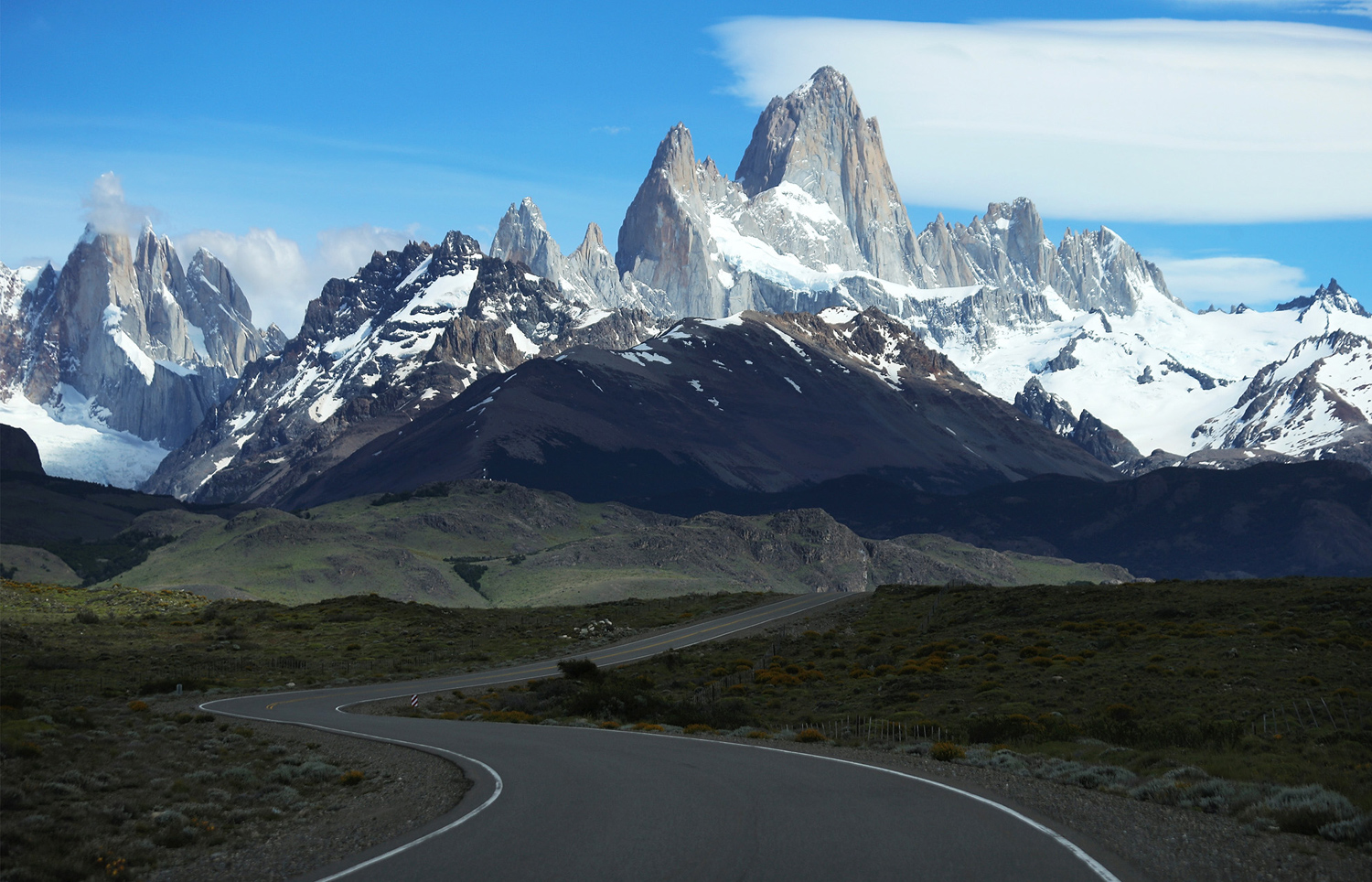
One of the park’s most famous landmarks is Mount Fitz Roy, a dramatic granite peak that rises sharply above the Patagonian landscape.
Reaching 3,405 meters in height, Fitz Roy is considered one of the most beautiful mountains in the world.
Its steep cliffs and jagged spires attract climbers from across the globe, while hikers admire its beauty from surrounding trails and viewpoints.
The mountain frequently emerges from clouds to reveal a breathtaking silhouette against the Patagonian sky.
Sunrise and sunset often bathe its granite walls in shades of gold, orange, and pink, creating unforgettable photographic opportunities.
Lakes, Rivers, and Patagonian Landscapes
Los Glaciares National Park is not defined solely by ice.
The region also contains stunning lakes, rivers, forests, and grasslands that contribute to its extraordinary beauty.
Lake Argentino, Argentina’s largest freshwater lake, displays striking turquoise waters created by glacial sediments.
Nearby rivers carry meltwater through valleys surrounded by snow-capped peaks and ancient forests.
The contrast between brilliant blue lakes, white glaciers, and rugged mountains creates scenery that feels almost unreal.
These landscapes represent the essence of Patagonia’s wild beauty.
Wildlife of the Patagonian Wilderness
Despite its harsh climate, Los Glaciares National Park supports a surprising diversity of wildlife.
Visitors may encounter Guanaco, the wild relative of the llama, grazing across open grasslands.
Other notable species include the Andean Condor, one of the world's largest flying birds, often seen soaring above mountain cliffs.
Foxes, armadillos, pumas, and numerous bird species also inhabit the region.
The park’s varied habitats provide important refuge for wildlife adapted to Patagonia’s unique environmental conditions.
Nature lovers and wildlife photographers will find countless opportunities for observation.
Hiking and Outdoor Adventures
Los Glaciares National Park is considered one of the world’s premier destinations for hiking and outdoor recreation.
The town of El Chalten serves as a gateway to many of the park’s most famous trails.
Popular hikes lead to viewpoints overlooking Mount Fitz Roy, glacial lakes, mountain valleys, and dramatic granite peaks.
Adventurous travelers can also participate in glacier trekking excursions that allow them to walk directly on ancient ice surfaces.
Kayaking, climbing, horseback riding, photography, and camping provide additional opportunities to explore the wilderness.
The variety of activities makes the park attractive to both casual visitors and experienced adventurers.
UNESCO World Heritage Significance
Los Glaciares National Park was designated a UNESCO World Heritage Site in 1981 due to its outstanding natural value.
The park protects one of the largest ice fields outside polar regions and serves as a vital scientific resource for studying glaciers and climate systems.
Its ecosystems, geological features, and scenic beauty contribute to its global importance.
The UNESCO designation helps ensure international recognition and conservation support for this extraordinary landscape.
Sustainability and Conservation
Conservation efforts within Los Glaciares National Park focus on protecting glaciers, wildlife habitats, and fragile ecosystems.
Researchers closely monitor glacial movement and environmental changes to better understand the impacts of climate change.
Sustainable tourism practices help minimize human impact while supporting local communities and conservation initiatives.
Visitors are encouraged to follow designated trails, respect wildlife, and practice responsible travel.
These efforts help preserve Patagonia’s natural heritage for future generations.
Best Time to Visit Los Glaciares National Park
The best time to visit is during the Southern Hemisphere summer between November and March.
This period offers milder temperatures, longer daylight hours, and favorable conditions for hiking and sightseeing.
Spring and autumn bring fewer visitors and beautiful seasonal colors.
Winter transforms the region into a quieter wilderness, though some facilities and trails may be less accessible.
Each season offers unique opportunities to experience Patagonia’s remarkable landscapes.
How to Reach Los Glaciares National Park
Most visitors access the park through the town of El Calafate, which serves as the primary gateway to Perito Moreno Glacier and other attractions.
Flights connect El Calafate with major Argentine cities, including Buenos Aires.
From there, organized tours, rental vehicles, and bus services provide convenient access to the park.
Many travelers combine visits to El Calafate and El Chalten to fully experience the region’s glaciers and mountain landscapes.
Why Visit Los Glaciares National Park?
Los Glaciares National Park offers one of the most extraordinary natural experiences on Earth. Its massive glaciers, turquoise lakes, towering mountains, and remote wilderness create a destination unlike any other.
Visitors can witness the thunderous collapse of glacier ice, hike beneath iconic peaks, explore pristine landscapes, and experience the raw beauty of Patagonia.
Whether you are a photographer, adventurer, wildlife enthusiast, or nature lover, the park provides unforgettable moments at every turn.
Few destinations combine such dramatic scenery with such accessible opportunities for exploration.
Conclusion
Los Glaciares National Park stands among the greatest natural wonders of South America and one of the world's premier wilderness destinations. From the advancing Perito Moreno Glacier and the majestic summit of Mount Fitz Roy to vast ice fields and pristine Patagonian lakes, the park showcases nature on a truly grand scale.
Its breathtaking landscapes, scientific importance, and unparalleled outdoor adventures make it a dream destination for travelers seeking both beauty and discovery.
For anyone exploring Patagonia, Los Glaciares National Park truly deserves its reputation as the Land of Moving Ice.
00 Comments
No comments yet.
Leave a Comment