

Ladakh
Introduction
Located in the northernmost region of India, Ladakh is a land of stark contrasts, dramatic landscapes, and profound spirituality. Often referred to as the “Land of High Passes,” Ladakh lies between the mighty Himalayan and Karakoram mountain ranges and offers one of the most unique travel experiences in the world. With its barren mountains, crystal-clear skies, ancient monasteries, and resilient culture, Ladakh feels more like a world apart than a conventional tourist destination.
Unlike lush hill stations or bustling cities, Ladakh’s beauty lies in its rawness and silence. Life here unfolds slowly, shaped by extreme weather, high altitude, and deep spiritual traditions. For travelers seeking solitude, adventure, and cultural immersion, Ladakh provides an unforgettable journey into one of Earth’s most extraordinary environments.
Geographical and Environmental Significance
Ladakh is a high-altitude cold desert located at elevations ranging from 3,000 to over 5,500 meters above sea level. The region is characterized by rugged mountains, deep valleys, and vast open plains carved by ancient glaciers and rivers. The Indus River, one of Asia’s longest rivers, flows through Ladakh and has historically supported settlements in an otherwise harsh environment.
Due to the rain-shadow effect of the Himalayas, Ladakh receives minimal rainfall, resulting in an arid climate with extreme temperature variations. Summers are short and cool, while winters are long and severely cold. Despite these conditions, Ladakh supports a delicate ecosystem that includes snow leopards, Himalayan ibex, yaks, and rare bird species, making it an important region for high-altitude biodiversity.
Dramatic Landscapes and Natural Wonders
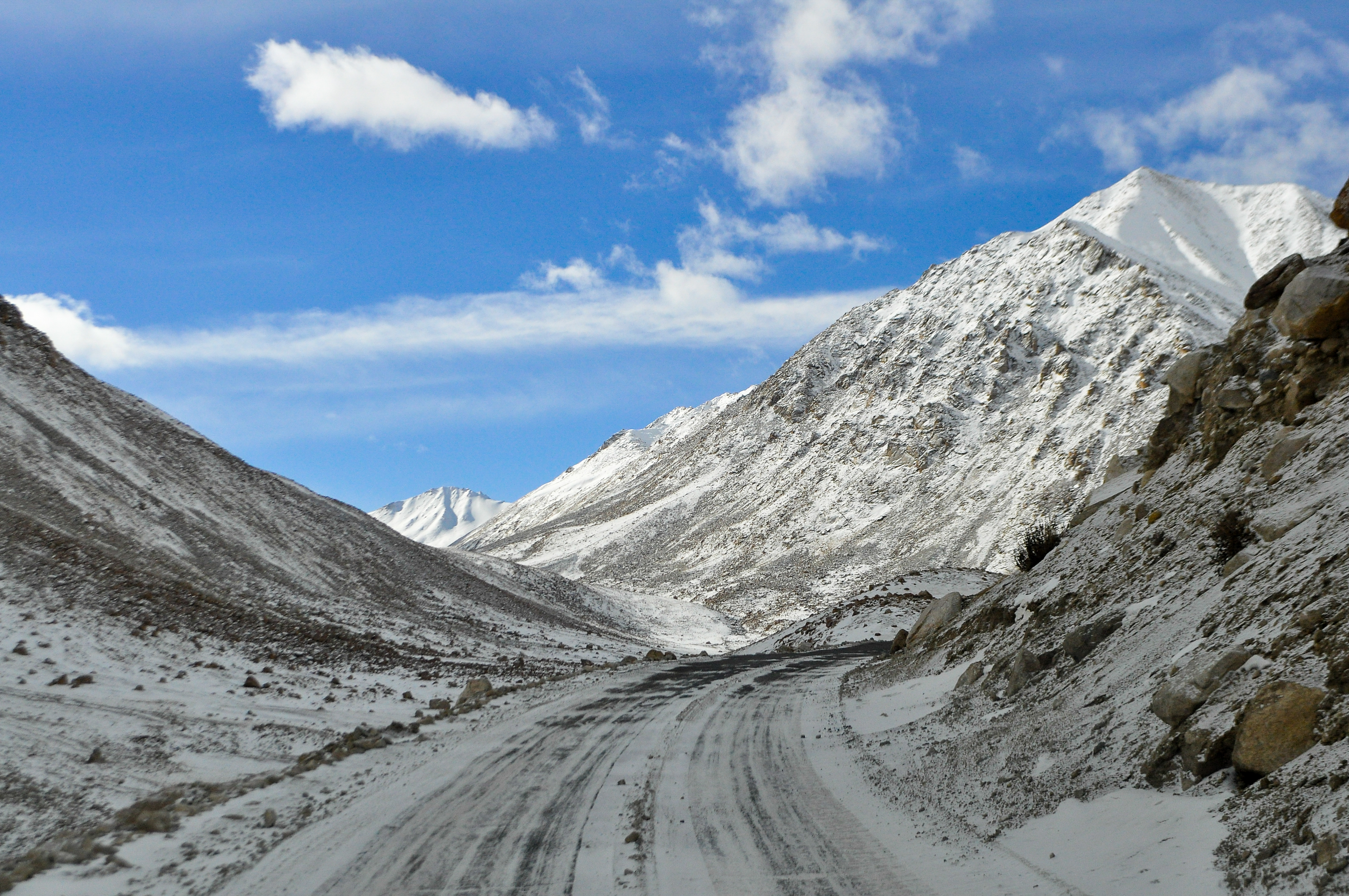
Ladakh’s landscapes are among the most striking in the world. Vast mountain ranges stretch endlessly, painted in shades of brown, gold, and gray, changing colors with the movement of the sun. High mountain passes such as Khardung La and Chang La offer breathtaking panoramic views and are among the highest motorable roads on Earth.
One of Ladakh’s most iconic natural attractions is Pangong Lake, a stunning high-altitude saltwater lake that changes color from deep blue to turquoise throughout the day. Another remarkable site is Nubra Valley, known for its sand dunes, double-humped Bactrian camels, and fertile river basins framed by towering peaks.
These dramatic landscapes create a sense of vastness and isolation that defines the Ladakh experience.
History and Buddhist Heritage
Ladakh’s history has been shaped by its strategic position along ancient trade routes connecting Central Asia, Tibet, and the Indian subcontinent. For centuries, caravans carrying silk, spices, and precious stones passed through the region, leaving behind a legacy of cultural exchange.
Tibetan Buddhism plays a central role in Ladakhi identity. The region is home to some of India’s most important Buddhist monasteries, including Hemis Monastery, Thiksey Monastery, and Diskit Monastery. Perched on hilltops, these monasteries serve as spiritual centers, preserving ancient teachings, rituals, and art forms.
Colorful prayer flags, spinning prayer wheels, and chanting monks are integral parts of daily life, reflecting Ladakh’s deeply spiritual character.
Ladakhi Culture and Traditions
Ladakhi culture is a harmonious blend of Tibetan and Central Asian influences, shaped by geography and isolation. The traditional lifestyle emphasizes community, sustainability, and respect for nature. Festivals such as Hemis Festival showcase masked dances, music, and religious ceremonies that attract visitors from around the world.
Traditional Ladakhi clothing, including woolen robes and headgear, is designed to withstand extreme cold. The local language, Ladakhi, is closely related to Tibetan and is widely spoken alongside Hindi and English.
Hospitality is deeply ingrained in Ladakhi society, and visitors are often welcomed warmly into homes and villages, offering rare insight into life in a high-altitude desert.
Cuisine of the High Himalayas
Ladakhi cuisine reflects the region’s climate and limited agricultural resources. Meals are simple, nourishing, and designed to provide warmth and energy. Staple foods include tsampa (roasted barley flour), thukpa (noodle soup), and momos (dumplings filled with vegetables or meat).
Butter tea, made from tea leaves, yak butter, and salt, is a traditional beverage that helps locals cope with cold temperatures and high altitude. These culinary traditions highlight Ladakh’s adaptation to its environment and its reliance on locally available ingredients.
Sustainable Living and Responsible Tourism
Sustainability is a way of life in Ladakh. With scarce water, limited vegetation, and fragile ecosystems, Ladakhis have long practiced resource conservation. Traditional mud-brick houses, solar energy usage, and community farming reflect environmentally conscious living.
In recent years, responsible tourism has become increasingly important. Visitors are encouraged to respect local customs, minimize waste, and support eco-friendly accommodations. Efforts to protect wildlife, manage water resources, and preserve cultural heritage are central to Ladakh’s sustainable future.
Best Time to Visit Ladakh
The best time to visit Ladakh is between May and September, when mountain passes are open and weather conditions are relatively stable. Summer months offer clear skies, pleasant daytime temperatures, and access to trekking routes and remote valleys.
Winter, while extremely cold, offers a unique experience for adventurous travelers, including frozen river treks and snow-covered landscapes. However, winter travel requires careful planning and preparation.
How to Get Around
Ladakh is accessible by air through Leh Airport, which connects the region to major Indian cities. During summer, road routes from Manali and Srinagar offer scenic but challenging journeys through high mountain passes.
Within Ladakh, travel is typically done by taxis, motorcycles, or rented vehicles. Due to the rugged terrain, distances can take longer to cover, making slow and mindful travel essential.
Why Ladakh Belongs on Your Travel Bucket List
Ladakh offers an experience unlike any other destination in India or the world. Its combination of dramatic landscapes, spiritual depth, resilient culture, and sustainable living creates a powerful sense of perspective and connection.
For travelers seeking adventure, inner peace, and a deeper understanding of humanity’s relationship with nature, Ladakh delivers an experience that is both humbling and transformative.
Conclusion
Ladakh stands as a testament to human resilience and spiritual harmony in one of the planet’s most extreme environments. From its towering mountains and serene lakes to ancient monasteries and enduring traditions, Ladakh invites travelers to slow down and reflect. Visiting Ladakh is not just a journey through a destination—it is a journey inward, offering silence, clarity, and lasting inspiration.
00 Comments
No comments yet.
Leave a Comment