

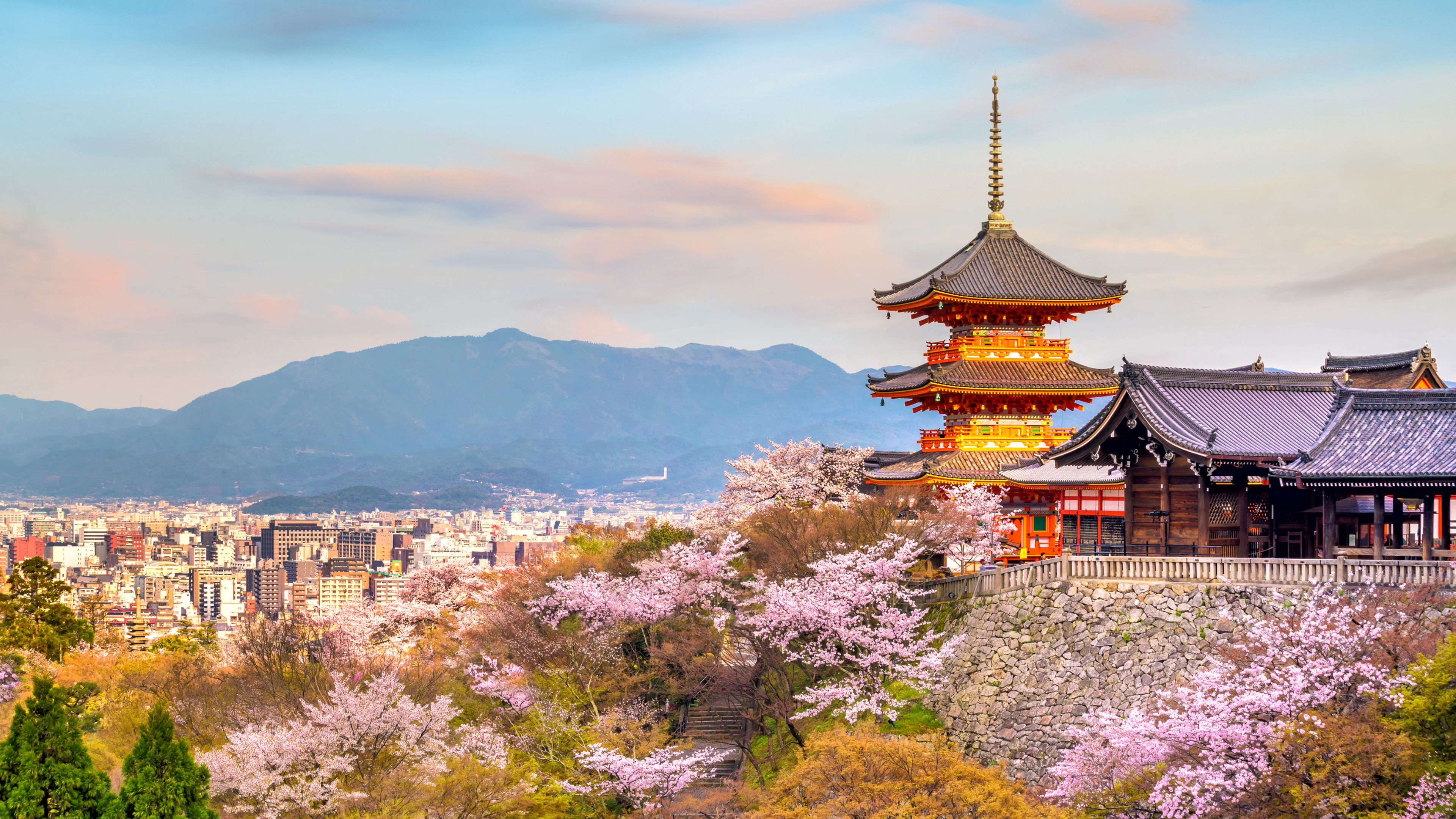
Kyoto
Introduction
Nestled in the heart of Japan’s Kansai region, Kyoto stands as a living testament to the country’s rich cultural heritage and spiritual depth. Once the imperial capital of Japan for over a millennium, Kyoto is a city where ancient traditions coexist harmoniously with modern life. Renowned for its historic temples, serene gardens, traditional wooden architecture, and deeply rooted customs, Kyoto offers travelers a rare opportunity to experience Japan’s timeless soul.
Unlike Japan’s bustling metropolitan centers, Kyoto moves at a gentler pace. The city invites visitors to slow down, reflect, and immerse themselves in an atmosphere shaped by centuries of ritual, artistry, and reverence for nature. For those seeking cultural authenticity, historical depth, and peaceful beauty, Kyoto represents one of Asia’s most meaningful travel destinations.
Geographical and Environmental Significance
Kyoto is located on the island of Honshu, surrounded by mountains on three sides, which historically helped protect it from invasions and natural disasters. This natural enclosure contributes to Kyoto’s distinct seasonal beauty, with hot summers, crisp autumns, and cool winters that enhance the city’s scenic charm.
Rivers such as the Kamo and Katsura flow through Kyoto, supporting both urban life and natural ecosystems. The surrounding forests and hills have long provided materials for temples, shrines, and traditional crafts. Kyoto’s geography has played a crucial role in shaping its spiritual practices, architectural styles, and harmonious relationship with nature.
Historic Temples and Sacred Shrines
Kyoto is home to over 2,000 temples and shrines, many of which are recognized as UNESCO World Heritage Sites. These sacred spaces reflect the city’s importance as the spiritual heart of Japan.
One of the most iconic landmarks is Kinkaku-ji, the Golden Pavilion, a Zen Buddhist temple covered in gold leaf and set beside a tranquil reflecting pond. Equally famous is Fushimi Inari Taisha, known for its thousands of vermilion torii gates that wind through forested hillsides, creating one of Japan’s most recognizable spiritual pathways.
Kiyomizu-dera, perched on wooden pillars overlooking the city, exemplifies traditional Japanese architecture and craftsmanship. These sites not only attract millions of visitors but also continue to function as active places of worship, preserving Kyoto’s spiritual traditions.
Traditional Neighborhoods and Architectural Beauty
Kyoto’s historic districts preserve the aesthetic of old Japan. Gion, the city’s most famous neighborhood, is characterized by narrow streets, wooden townhouses (machiya), and traditional teahouses. It is also known for its geisha culture, where trained artists known as geiko and maiko continue centuries-old performance traditions.
Another notable area is Arashiyama, located on the western outskirts of the city. Famous for its bamboo groves, scenic river views, and traditional bridges, Arashiyama offers a peaceful retreat from urban life. These neighborhoods showcase Kyoto’s dedication to architectural preservation and cultural continuity.
Cultural Heritage and Living Traditions
Kyoto is the birthplace of many traditional Japanese arts, including tea ceremonies, flower arrangement (ikebana), calligraphy, and Noh theater. These practices emphasize simplicity, discipline, and mindfulness, values deeply embedded in Japanese philosophy.
Seasonal festivals play a vital role in Kyoto’s cultural life. Gion Matsuri, held every July, is one of Japan’s oldest and most celebrated festivals, featuring elaborate floats, rituals, and community participation. Such events highlight Kyoto’s ability to preserve traditions while passing them on to future generations.
Kyoto’s Refined Culinary Identity
Kyoto’s cuisine reflects its cultural elegance and emphasis on seasonal balance. The city is especially known for kaiseki, a traditional multi-course dining experience that focuses on presentation, harmony, and natural flavors. Each dish is carefully crafted to reflect the season and surroundings.
Another local specialty is yudofu, a simple yet nourishing tofu dish commonly enjoyed near Zen temples. Kyoto is also synonymous with matcha green tea, which is used in traditional sweets, beverages, and ceremonial practices. Kyoto’s food culture is deeply intertwined with its spiritual and artistic heritage.
Sustainable Living and Cultural Preservation
Kyoto places great importance on sustainability and heritage conservation. Strict building regulations help protect historic districts, while ongoing restoration projects ensure temples and shrines are preserved for future generations.
Tourism in Kyoto increasingly emphasizes responsible travel. Visitors are encouraged to respect local customs, protect sacred spaces, and support traditional crafts and local businesses. This balance between tourism and preservation allows Kyoto to maintain its cultural integrity while welcoming travelers from around the world.
Best Time to Visit Kyoto
The best time to visit Kyoto is during spring (March to May) and autumn (October to November). Spring brings cherry blossoms that transform the city into a landscape of soft pink hues, while autumn offers vibrant red and gold foliage around temples and gardens.
Summer features lively festivals but can be hot and humid, while winter provides a quieter atmosphere with occasional snowfall that adds a magical quality to Kyoto’s historic sites.
How to Get Around
Kyoto has an efficient public transportation system, including buses, trains, and subways that connect major attractions. Walking and cycling are also popular ways to explore the city, especially in historic districts where narrow streets reveal hidden temples and local shops.
The city’s compact layout makes it easy for travelers to experience both urban and cultural landmarks within a short time.
Why Kyoto Belongs on Your Travel Bucket List
Kyoto offers a travel experience that goes beyond sightseeing. It provides insight into Japan’s spiritual values, artistic traditions, and respectful relationship with nature. The city’s ability to preserve its identity in a rapidly modernizing world makes it a powerful example of cultural resilience.
For travelers seeking depth, serenity, and authenticity, Kyoto delivers an experience that is both educational and deeply moving.
Conclusion
Kyoto, Japan, stands as a bridge between past and present, where ancient traditions continue to shape modern life. From sacred temples and historic neighborhoods to refined cuisine and living cultural practices, Kyoto embodies tranquility, balance, and timeless beauty. Visiting Kyoto is not merely a journey through a city—it is a journey into the heart of Japanese civilization, one that leaves a lasting impression long after the journey ends.

00 Comments
No comments yet.
Leave a Comment