

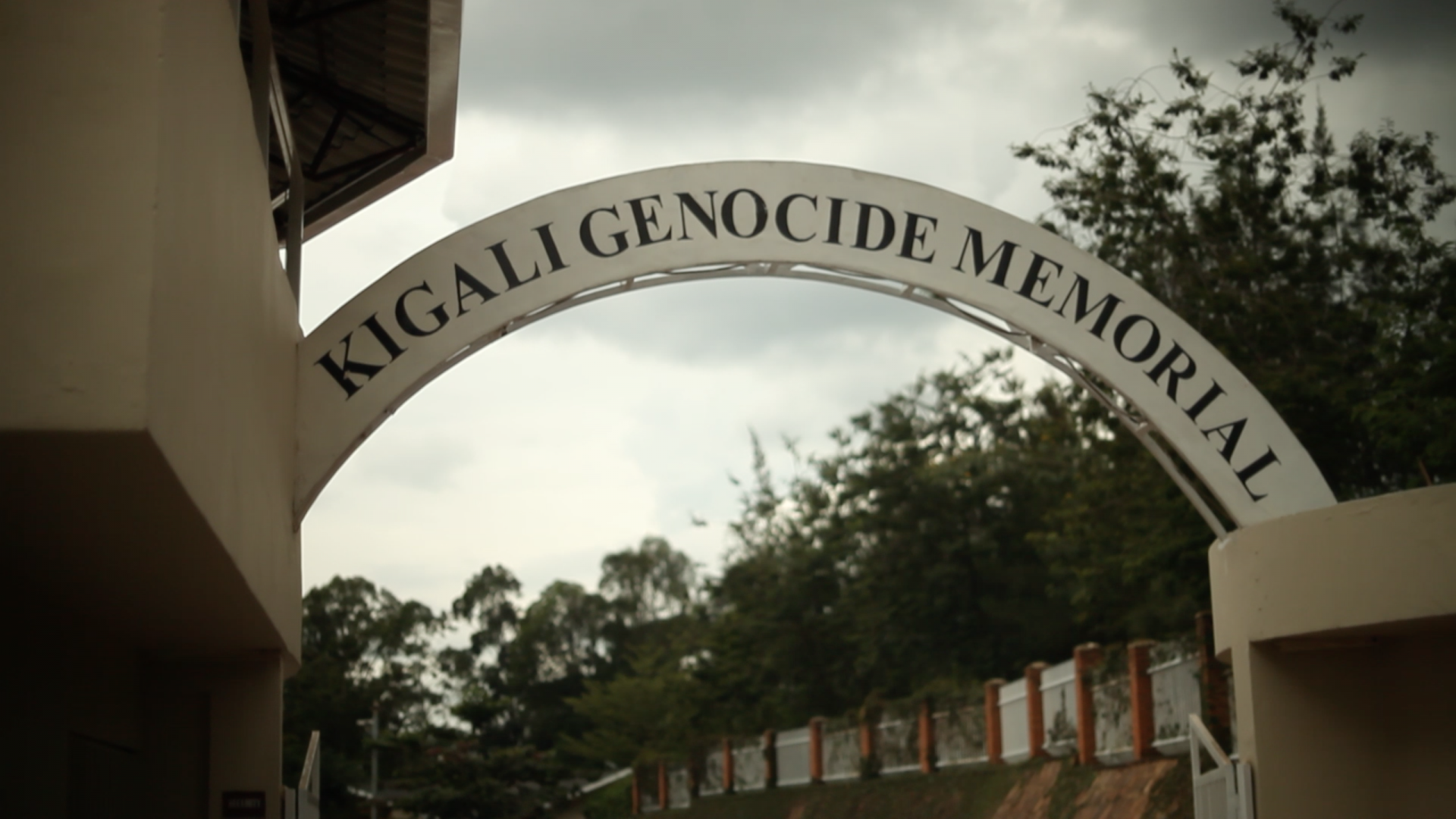
Kigali Genocide Memorial
Visiting the Kigali Genocide Memorial in Rwanda is one of the most unforgettable experiences one can have. It has been described as a “journey into the depths of human suffering,” and this is an accurate description. The memorial pays tribute to the victims of the 1994 Rwandan Genocide, which lasted for just over 100 days and left more than 800,000 people dead. It also serves as a reminder of the horror that can occur when hate and bigotry go unchecked.
This article will explore what it's like to visit the Kigali Genocide Memorial, from its history and exhibitions to its educational purpose and more. Through this journey, we will gain insight into one of Rwanda’s darkest moments—and how it is still impacting us today.
Kigali Genocide Memorial: Introduction
The Kigali Genocide Memorial is a moving and powerful tribute to the victims of the Rwandan genocide. The memorial documents the events of the genocide and the lives of those who were lost.
The memorial is a reminder of the tragedy that occurred in Rwanda and serves as a warning to future generations. More than 250,000 Tutsi victims of the genocide are laid to rest at the Kigali Genocide Memorial. Visitors can tour the memorial and learn about the history of Rwanda and the genocide.
Continue reading to learn more about this tragic incident's background, the Kigali Genocide Memorial's significance in the nation's healing, and how a trip to this site helps put Rwanda's recent past into the light.
History of Kigali Genocide Memorial, Rwanda
The Kigali Genocide Memorial is a place of remembrance and education located in the Gisozi district of Rwanda’s capital city. The site commemorates the 1994 genocide against the Tutsi, in which an estimated 1 million people were killed.
The City of Kigali donated property in 1999 so that a memorial could be built there and the victims could be buried properly. The burial process started two years after the memorial's construction got underway.
One of Rwanda's six national sites for genocide memorialization, the Kigali Genocide Memorial was formally inaugurated in 2004. Visitors can pay their respects at the gravesites, as well as at a wall bearing the names of more than 250,000 victims of the genocide.
The Kigali Genocide Memorial serves as a powerful reminder of the horrors of hatred and violence and stands as a testament to Rwanda’s resilience in the face of tragedy.
Mission behind building the Kigali Genocide Memorial
The Kigali Genocide Memorial is a moving and sobering experience. Located in Rwanda’s capital, the memorial commemorates the 1994 Rwandan genocide, one of the darkest moments in recent history.
The missions behind building the Kigali Genocide Memorial are:
· Giving the 250,000 genocide victims a good burial site.
· To educate and inform the public on all relevant information regarding the genocide, including its causes, methods of execution, and effects.
· To raise awareness of genocides and ways to stop them from happening again.
· To record the genocide's evidence, the victims' stories, and the survivors' testimony.
· To bring comfort and support to survivors, particularly widows and orphans.
What to see at Kigali Genocide Memorial
The Kigali Genocide Memorial is one of the most moving and sobering places to visit in Rwanda. The site includes a mass grave containing the remains of some of the victims, as well as a museum with exhibits on the history of the genocide.
Following are the three ongoing exhibitions at the Kigali Genocide Memorial:
· 1994 Genocide against the Tutsi
The biggest of the three is the first exhibition. An overview of pre-colonial Rwandan society is provided, along with information on the country's ethnic composition and how racial peace finally gave way to enmity.
Both written and visual representations of the information are present. On rare occasions, you will see a tiny screen where you can watch movie clips depicting the genocide and its consequences.
· Wasted Lives
In addition to the Holocaust, the second exhibition covers the history of genocidal violence throughout the world, including instances in Armenia, Cambodia, Namibia, and the Balkans.
This section is named "Wasted Lives" because despite many lives lost, a few of the massacres described in this section are not considered to constitute genocides under international law.
· A Room for Children
The third exhibition is especially painful. It is intended to honour the memories of the thousands of children and newborns who died during the genocide. It includes pictures of every child, a description of who they were as people, and information about how they were killed.
Their personal belongings are also displayed. A few even have the blood-stained clothing they were discovered in.
In addition to exhibits, the memorial has a library with hundreds of books on the genocide, including academic journals, memoirs, poetry, children's books, and graphic novels. There is also a cafe and a gift shop where you can buy souvenirs like books about the genocide, jewelry, and handicrafts made by the victims' widows.
The cafe and gift shop are social businesses working with young people from Rwanda. The memorial and the survivors will both benefit completely from the earnings. The outdoor memorial grounds feature mass graves containing the remains of some of those who were killed.
An amphitheater with 1,200 seats was built to commemorate the 20th anniversary of the genocide and is used to organize events, workshops, movies, and performances.
Most of these activities occur during the yearly memorial period, which runs from April 7 to Liberation Day on July 4.
How to visit the Kigali Genocide Memorial
The Kigali Genocide Memorial is located in the capital city of Rwanda, Kigali. The best way to get to the Kigali Genocide Memorial is by car or taxi. It is a short drive from the airport and takes about 20 minutes. Some buses go to the memorial, but they are less reliable.
Once you arrive at the memorial, there is a parking lot and an entrance fee. The memorial is open every day from 8:00 am to 4:00 pm.
Touring the Kigali Genocide Memorial
The Kigali Genocide Memorial is one of the most moving and well-documented sites of the Rwandan Genocide. The memorial, which is also a mass grave, contains the remains of more than 250,000 victims of the genocide.
The memorial grounds are sprawling and beautiful, with manicured lawns, flowers, and trees. But the peace is shattered by the dozens of simple concrete blocks that line the paths. Each block bears the victim's name, photo, and a short biography.
The Kigali Genocide Memorial is a massive, white terraced structure encircled by beautifully planted gardens and graveyards for the deceased.
The Rwanda National Police will conduct a security check before you may enter the main gate. There is a chance that you and your car will be searched for guns and other potentially harmful materials.
Alcohol and lighters are also not permitted on the site. These things will be held at the door and returned to you when you leave.
Visitors are shown a video here to give them an understanding of the seriousness of the genocide that occurred in the nation not long ago. Interviews with people who survived and eyewitnesses are also included.
The memorial is an important site for remembrance and healing, and it is definitely worth a visit if you are in Kigali.
Conclusion
Visiting the Kigali Genocide Memorial is a powerful experience that will stay with you long after your visit. It offers an important insight into Rwanda’s tragic history and helps to bring about conversations and understanding of how genocide can be prevented in the future. It serves as a reminder of the horrific acts committed during the genocide and as a place for hope, healing, and redemption.
Whether you are visiting Rwanda on vacation or exploring its rich culture more deeply, take some time to visit this Kigali Genocide Memorial and learn more about one of the darkest chapters in human history.
00 Comments
No comments yet.
Leave a Comment