

Isla Magdalena
Introduction
Far from the crowded resort towns of Mexico's Pacific coast lies an island where enormous gray whales gather in winter, California sea lions patrol the surrounding waters, and endless sand dunes meet one of Baja California Sur's richest marine ecosystems. Isla Magdalena is part of the Magdalena Bay Archipelago on the Pacific coast of the Baja California Peninsula, a remote landscape shaped by desert, ocean, wind, mangroves, dunes, and wildlife.
The island is separated from the Pacific Ocean by the sheltered waters of Bahía Magdalena, one of the most important coastal environments for marine life in the region. During winter, gray whales migrate thousands of kilometers from northern waters to the protected bays and lagoons of Baja California Sur, where they give birth and raise their calves. Magdalena Bay is one of the recognized locations for gray whale watching in the state.
But whales are only part of the story. Isla Magdalena is also surrounded by seabirds, sea turtles, dolphins, pinnipeds, fish, and other marine species. On land, vast dunes create an almost desert-like wilderness, while mangroves and coastal wetlands provide shelter for birds and juvenile marine life.
For travelers seeking a destination where wildlife and wilderness take center stage, Isla Magdalena offers a remarkably raw side of Mexico.
Geographical and Environmental Significance
Isla Magdalena lies off the Pacific coast of Baja California Sur within the Magdalena Bay Archipelago. The broader protected island complex is recognized for its marine and terrestrial biodiversity, including coastal dunes, mangroves, marine habitats, and important concentrations of birds and marine mammals.
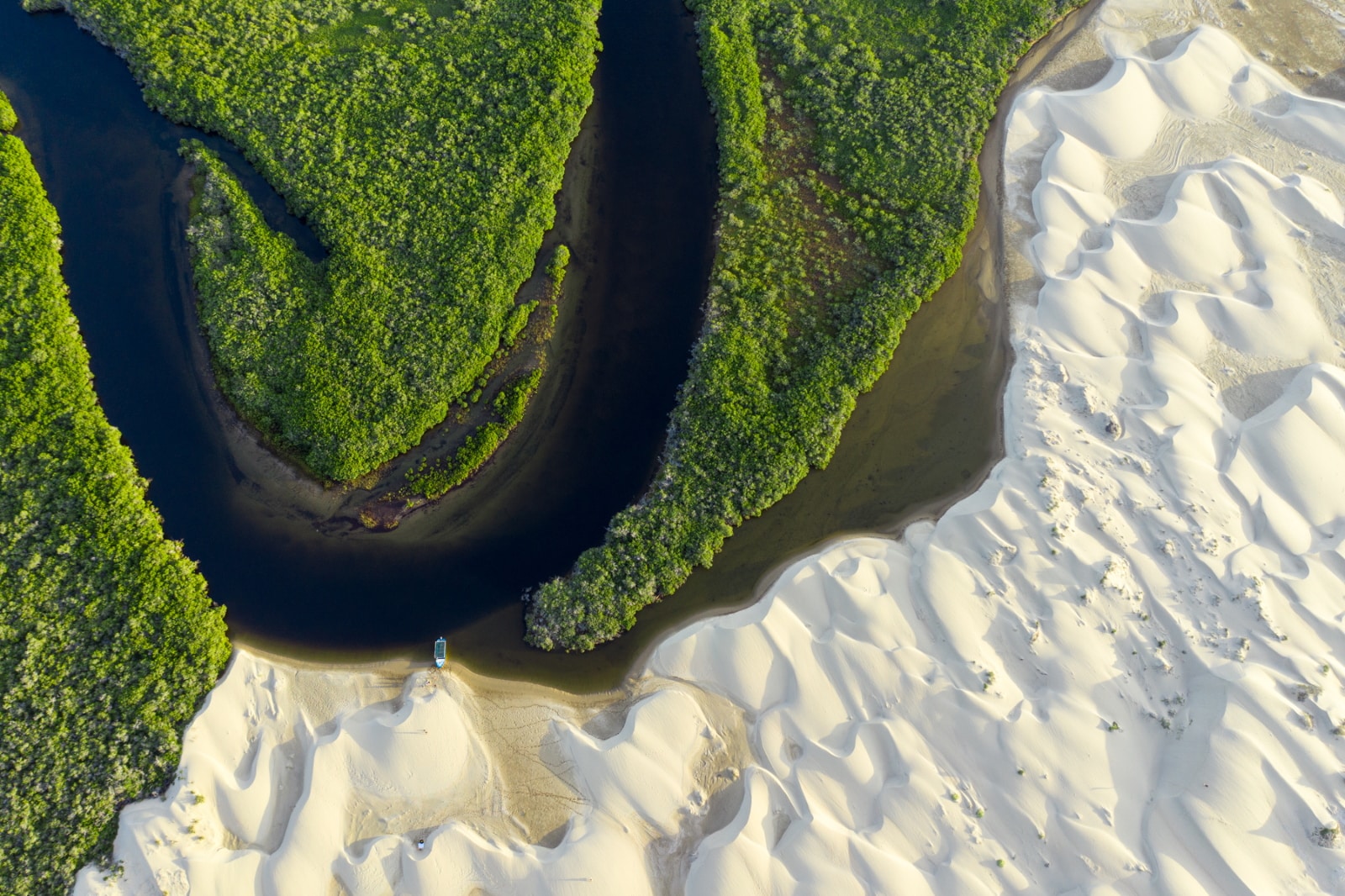
The geography of the island is defined by contrasts. On one side is the open Pacific Ocean, while the other faces the calmer waters of Magdalena Bay. Long beaches stretch along the coast, and enormous dunes form shifting landscapes of sand. Behind and around the dunes are coastal ecosystems that appear remarkably green in comparison with the surrounding arid Baja California Peninsula.
The bay itself provides sheltered waters that are particularly important to migrating marine mammals. Gray whales travel south from their northern feeding grounds during winter and gather in the protected coastal waters of Baja California Sur. The government of Mexico identifies Bahía Magdalena as one of three major breeding and nursery areas for gray whales along the western coast of Baja California.
The surrounding marine environment is equally significant. Protected-area information for the Magdalena Bay Archipelago highlights mangroves, coastal dunes, marine mammals, birds, kelp forests, and other marine ecosystems. California sea lions and harbor seals are among the representative marine mammals associated with the wider protected island region.
Birdlife is another major attraction. The wetlands and coastal waters provide feeding and resting areas for migratory and resident birds, while the island's remote character reduces the level of human disturbance found along many more developed Mexican coastlines.
Landscapes or Heritage
The landscape of Isla Magdalena is dominated by the meeting of sand and sea. Its long Pacific-facing beaches are backed by dunes that can rise dramatically above the coastline, creating panoramic viewpoints over the ocean and bay. Walking across these dunes can feel more like exploring a Saharan landscape than visiting a tropical island.
The beaches themselves are often wonderfully empty, especially away from the small settlements and seasonal tourism areas. Waves from the Pacific constantly reshape the shoreline, while winds move sand across the island and create new patterns in the dunes.
On the opposite side, Bahía Magdalena presents a calmer landscape. Channels, wetlands, mangroves, sandbars, and shallow coastal waters create a maze-like environment that is ideal for marine wildlife. Boat excursions through the bay are one of the best ways to understand how different the sheltered side of the island is from the exposed Pacific coast.
The greatest natural spectacle arrives during the gray whale season. Gray whales migrate to Baja California Sur after traveling thousands of kilometers from the Arctic and sub-Arctic feeding grounds. Some arrive with calves, making the sheltered waters of Magdalena Bay an important nursery environment.
Although whale watching is generally associated with boats operating from ports such as Puerto San Carlos and Puerto Adolfo López Mateos, Isla Magdalena forms part of the broader ecosystem that makes Magdalena Bay such an important wildlife destination. The island is also used for marine safaris, kayaking, birdwatching, fishing, and seasonal camping.
Sea lions provide another memorable encounter. Their presence adds movement and sound to the surrounding waters, while seabirds often gather around productive marine areas. The combination of whales, pinnipeds, birds, dunes, and open ocean gives Isla Magdalena a distinctly wild character.
Culture
Although Isla Magdalena is sparsely developed, the surrounding Magdalena Bay communities have a long relationship with the sea. Fishing remains an important part of local life, and towns such as Puerto San Carlos and Puerto Adolfo López Mateos serve as gateways to the bay and its marine experiences.
The culture of the region is closely tied to Baja California Sur's maritime environment. Fishing, shellfish harvesting, boating, whale watching, and other marine activities have helped shape local livelihoods. The region also has traditions connected to oysters and other seafood, and visitors can encounter working coastal communities rather than a landscape built exclusively around tourism.
This relationship between people and marine ecosystems is particularly visible during whale season. Whale watching has become an important form of nature tourism, creating an economic reason to protect the animals and their habitat. Local operators take visitors into the bay to observe gray whales while operating under government regulations intended to protect the species.
The broader region also reflects the distinctive character of Baja California Sur, where desert landscapes meet fishing communities and coastal settlements. Traveling to Isla Magdalena therefore offers a different cultural experience from the resort-oriented image often associated with Mexico.
Cuisine
Food around Isla Magdalena and Magdalena Bay is naturally centered on the Pacific Ocean. Seafood is an essential part of the local culinary identity, with fish, shrimp, oysters, clams, and other marine products appearing in everyday meals.
Baja-style seafood is often simple and fresh, allowing the quality of the ingredients to dominate. Fish tacos, ceviche, grilled seafood, shrimp dishes, and seafood cocktails are common throughout coastal Baja California Sur. Oysters are particularly relevant around Magdalena Bay, where oyster farming is among the activities visitors can learn about.
Local cuisine also reflects the wider culinary traditions of the Baja Peninsula. Travelers may encounter flour tortillas, grilled meats, beans, rice, salsas, fresh vegetables, and regional specialties alongside seafood.
One of the pleasures of visiting the area is eating food close to its source. A simple seafood meal after a morning on the water can feel more connected to the landscape than a sophisticated restaurant experience. The ocean, fishing boats, shellfish farms, and local kitchens are all part of the same food culture.
Sustainability
The ecological importance of Isla Magdalena makes responsible tourism essential. The Magdalena Bay Archipelago forms part of the protected natural environment associated with the Pacific islands of the Baja California Peninsula, where conservation focuses on habitats ranging from mangroves and dunes to marine ecosystems.
Whale watching is particularly regulated because gray whales and their calves are vulnerable to disturbance. Mexico's environmental authorities prohibit activities such as pursuing or harassing whales, separating mothers from calves, blocking their movement, exceeding established capacity limits, and introducing pollutants into the water.
The officially designated whale-watching season for Puerto Adolfo López Mateos, Puerto San Carlos, and Puerto Magdalena in Bahía Magdalena ran from January 1 through April 30 for the 2025-2026 season. Future seasons can change, so travelers should verify the current dates and authorized areas before planning a whale-watching trip.
Visitors can help protect the island by using authorized boat operators, keeping a respectful distance from wildlife, avoiding litter, staying out of sensitive areas, and never feeding or attempting to touch wild animals.
The island's remote nature is itself an important part of its protection. Unlike heavily developed coastal destinations, Isla Magdalena does not depend on large resorts or extensive urban infrastructure. Low-impact activities such as wildlife observation, kayaking, birdwatching, camping, and guided marine excursions allow visitors to experience the landscape while keeping development relatively limited.
Best Time to Visit
The best time to visit Isla Magdalena depends largely on what you want to see. For gray whales, winter through early spring is the key season. Official tourism information identifies January through March as the principal whale-watching period around Magdalena Bay, while Mexico's regulated 2025-2026 whale-watching season extended through April 30.
This period is particularly rewarding because migrating whales and their calves are concentrated in the sheltered waters. The atmosphere can be extraordinary, with whale spouts appearing across the bay and boats moving quietly between groups of animals.
CONANP specifically recommends visiting Isla Magdalena from winter into spring, while recommending other islands in the protected Pacific island complex during spring and summer.
Outside whale season, the island remains interesting for its beaches, dunes, birdlife, fishing, kayaking, and marine scenery. Surfing around the region is generally associated with May through November, while other activities such as diving and sport fishing have their own seasonal patterns.
Because the island is exposed to ocean winds and has limited infrastructure, travelers should bring sun protection, warm layers, water, and appropriate footwear. Mexican conservation authorities specifically recommend hats, sunglasses, long sleeves, and warm clothing for visitors to the island environment.
Transport
Reaching Isla Magdalena requires planning because there is no conventional airport or major road network on the island. Most visitors approach it from the mainland communities surrounding Bahía Magdalena, particularly Puerto San Carlos or Puerto Adolfo López Mateos.
These coastal towns are the principal gateways for whale-watching excursions into Magdalena Bay. Boats then provide access to the island, surrounding channels, wildlife areas, and beaches. The journey itself becomes part of the experience, as the transition from the desert mainland to the open waters of the bay reveals the geography of the region.
Travelers typically reach the area by road from other parts of Baja California Sur. La Paz and Ciudad Constitución are useful mainland reference points, while visitors arriving by air can plan onward road transportation to the Magdalena Bay communities.
Once on Isla Magdalena, transport is extremely limited compared with a conventional tourist destination. Boat travel, walking, kayaking, and guided excursions are the principal ways to explore. Camping is possible in designated or organized areas, and official protected-area information lists palapas, cabins, and temporary camping facilities within the Magdalena Bay Archipelago.
Because services are limited, travelers should arrange boats, accommodation, food, water, and camping equipment in advance rather than expecting extensive facilities after arriving on the island.
Why Visit
Isla Magdalena is a destination for travelers who want to experience wildlife in a setting that still feels genuinely remote. Its appeal does not come from luxury resorts, nightlife, or extensive tourist infrastructure. Instead, it comes from scale and isolation.
Few experiences compare with watching a gray whale surface in the quiet waters of Magdalena Bay while dunes and desert landscapes stretch behind the boat. During the right season, mothers and calves can be seen in the same environment where generations of whales have returned during their annual migration.
The island also offers a rare combination of environments. In a single journey, travelers can encounter Pacific surf, immense sand dunes, mangroves, sheltered bays, migratory birds, sea lions, whales, and fishing communities.
For photographers and nature enthusiasts, the possibilities are equally diverse. Sunrise and sunset over the dunes create dramatic compositions, while the constantly changing marine environment provides opportunities for wildlife photography and birdwatching.
Perhaps most importantly, Isla Magdalena offers a glimpse of Baja California Sur before intensive coastal development. It is a place where the ocean still determines the rhythm of life and where wildlife remains the central attraction.
Conclusion
Isla Magdalena is one of Mexico's most remarkable destinations for travelers drawn to wild landscapes and marine life. Set between the Pacific Ocean and the sheltered waters of Bahía Magdalena, the island combines immense dunes, empty beaches, mangroves, seabirds, sea lions, and one of the most memorable gray whale experiences on the Baja California coast.
Its beauty is not polished or manufactured. It is defined by wind-shaped sand, open ocean, distant mountains, fishing boats, and animals following ancient migration routes. During winter and early spring, the arrival of gray whales transforms the surrounding waters into one of the region's great wildlife spectacles.
For those searching for a unique place to visit in Mexico, Isla Magdalena offers something increasingly rare - a destination where nature remains the main attraction. Its remoteness is part of its magic, and its future depends on preserving the delicate relationship between wildlife, local communities, and the sea.
00 Comments
No comments yet.
Leave a Comment