

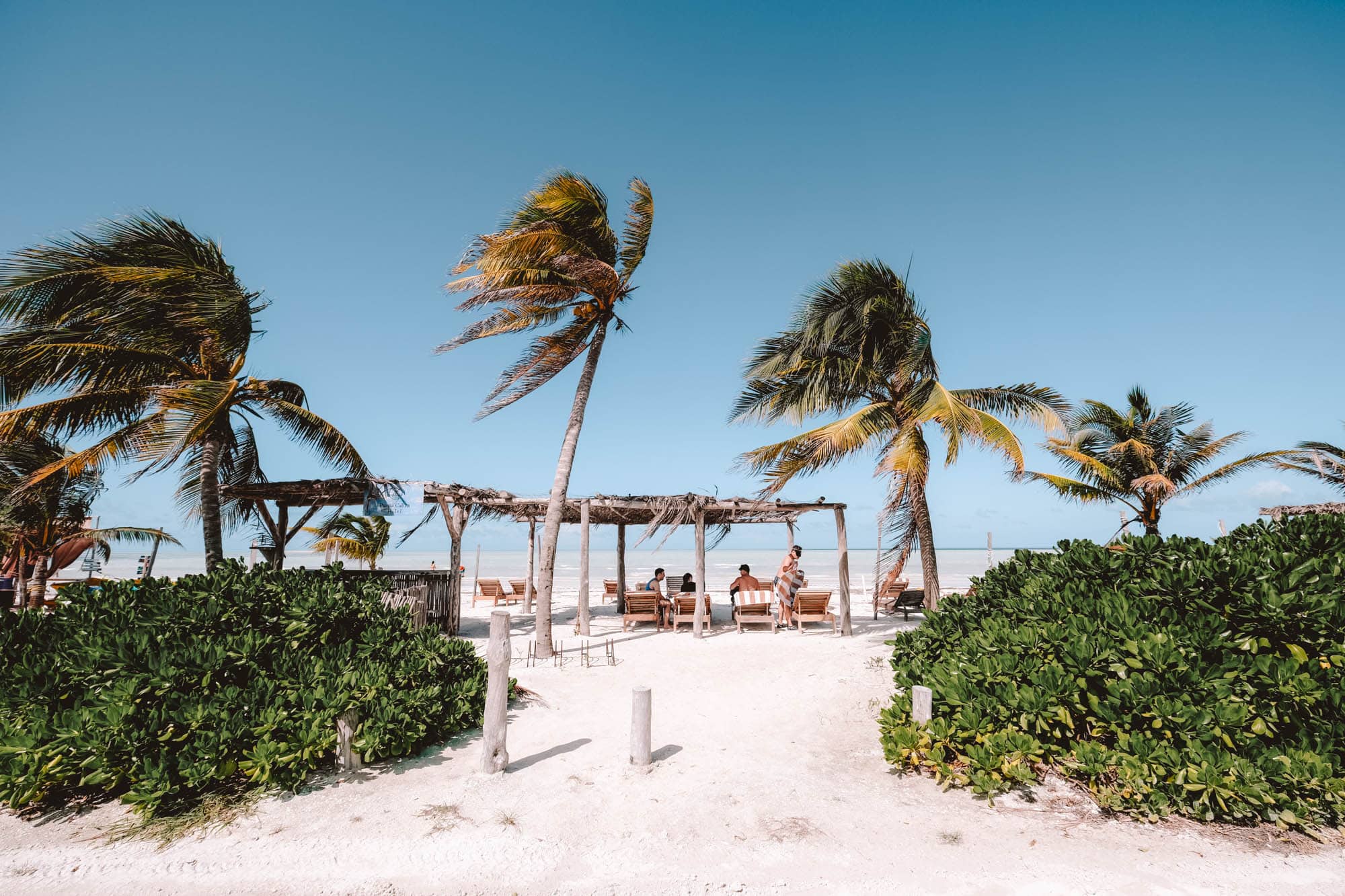
Isla Holbox
Introduction
At the northern edge of Mexico's Yucatán Peninsula, where the Caribbean Sea meets the warm waters of the Gulf of Mexico, lies Isla Holbox - a narrow, peaceful island famous for its sandy streets, shallow turquoise waters, colorful wildlife, and relaxed atmosphere. Far removed from the large resorts and busy nightlife associated with other destinations in Quintana Roo, Holbox offers a slower version of the Mexican Caribbean.
The island is particularly special because of its relationship with the surrounding natural environment. Holbox forms part of the wider Yum Balam protected area, a vast landscape of mangroves, coastal dunes, wetlands, forests, lagoons, and marine ecosystems. These habitats provide refuge for whale sharks, sea turtles, manatees, dolphins, birds, fish, and numerous other species.
Holbox is also known for its car-free character. Instead of navigating crowded roads filled with conventional traffic, visitors commonly move around the island by walking, cycling, or using small electric or golf-cart-style vehicles. The result is an atmosphere that feels intimate and distinctly different from the major resort destinations of the Riviera Maya.
From swimming in clear Caribbean waters and exploring mangrove channels to watching flamingos and searching for bioluminescent plankton after dark, Isla Holbox offers experiences that combine tropical beauty with wildlife and conservation. For travelers searching for unique places to visit in Mexico, Holbox provides a rare opportunity to experience the Caribbean at a gentler pace.
Geographical and Environmental Significance
Isla Holbox lies in the northeastern part of Quintana Roo, where the Yucatán Peninsula meets the Gulf of Mexico. The island sits within the ecological landscape of Yum Balam, a protected area established in 1994 that encompasses an extraordinary combination of tropical forests, mangroves, coastal dunes, wetlands, lagoons, and marine habitats.
The geography of Holbox is remarkably flat. Rather than dramatic mountains or cliffs, the island is defined by beaches, shallow lagoons, sandbars, mangrove forests, and expansive coastal wetlands. These low-lying environments are highly important for wildlife because they provide feeding, nesting, nursery, and shelter areas for numerous species.
Yum Balam's marine waters are particularly significant. They provide habitat for whale sharks, Caribbean manatees, sea turtles, fish, mollusks, jellyfish, octopuses, and many other marine organisms. The protected area also supports terrestrial wildlife including jaguars, ocelots, spider monkeys, howler monkeys, and a remarkable variety of birds.
The region's wetlands and mangroves are equally important. Mangrove ecosystems help stabilize coastlines, provide breeding grounds for marine life, and act as natural barriers against storms and coastal erosion. For an island as low-lying as Holbox, protecting these ecosystems is essential for its long-term environmental resilience.
The nearby waters also attract whale sharks, the world's largest fish. Mexico's environmental authorities note that whale sharks can be observed predictably in the northern Caribbean near Holbox, particularly from May to September.
Landscapes or Heritage
The greatest attraction of Holbox is its landscape rather than a collection of monumental buildings. Long beaches, shallow turquoise water, palm trees, mangroves, sandbars, and lagoons create an environment that feels almost untouched in places.
One of the island's most memorable features is its exceptionally shallow coastal water. In many areas, the sea remains calm and relatively shallow for considerable distances from the beach, creating broad stretches of pale blue and turquoise water.
The northern beaches are ideal for slow walks, swimming, relaxing beneath palm trees, and watching the changing colors of the Caribbean throughout the day. At sunrise, the coastline takes on soft pastel shades, while late afternoon brings golden light across the sand.
A different side of Holbox can be discovered through boat excursions into the surrounding wetlands and marine areas. Trips may explore mangrove channels, lagoons, sandbanks, and wildlife habitats, providing opportunities to observe birds and marine species.
One of the most famous experiences is a whale shark excursion. During the appropriate season, visitors can join authorized operators to observe these enormous but generally gentle filter-feeding animals in the surrounding waters. The experience is as much about appreciating marine conservation as it is about adventure. Mexican authorities specifically recommend using authorized tourism providers and following established wildlife-watching rules.
Holbox is also famous for bioluminescence. On sufficiently dark nights, microscopic marine organisms can produce flashes of blue-green light when disturbed by movement in the water. Kayaking or swimming in suitable areas after sunset can create one of the island's most magical natural experiences.
The island's cultural landscape is also part of its charm. Holbox's colorful streets, murals, fishing boats, small restaurants, and laid-back neighborhoods reflect its history as a fishing community rather than a destination created solely for mass tourism.
Culture
Holbox developed from a traditional fishing community, and the sea remains closely connected to local identity. Fishing has historically been one of the island's principal economic activities, while tourism has gradually become increasingly important.
This combination of fishing heritage and nature tourism gives Holbox a distinctive cultural character. Small boats remain a familiar sight around the coastline, while local guides often possess knowledge of the surrounding waters, wildlife, weather, and fishing traditions.
The island's streets are another part of its identity. Colorful buildings, painted murals, small shops, cafés, bicycles, and golf-cart-style transportation contribute to a relaxed atmosphere. Art has become particularly visible throughout the settlement, with colorful murals depicting marine animals, birds, local life, and tropical landscapes.
Holbox also demonstrates how local communities can become closely connected to conservation. Government conservation programs have supported environmental education and training for local guides, including initiatives connected with whale shark tourism.
For visitors, this means that experiencing Holbox is not simply about spending time on a beach. The island offers an opportunity to understand the relationship between tourism, fishing, wildlife, and the fragile ecosystems of the northern Yucatán coast.
Cuisine
Holbox's cuisine reflects its coastal identity, with seafood naturally playing an important role in local dining.
Fresh fish, shrimp, octopus, ceviche, grilled seafood, and Caribbean-inspired dishes can be found throughout the island. One of the most recognizable local specialties is lobster pizza, which combines a traditionally Italian-style dish with ingredients from the Caribbean coast.
Fresh ceviche is another popular choice. Fish or seafood is prepared with lime, onion, herbs, tomato, and other fresh ingredients, creating a light meal that suits the tropical climate.
Visitors can also find traditional Mexican favorites such as tacos, empanadas, tamales, and regional Yucatán dishes. Local markets and small restaurants provide opportunities to experience more everyday flavors away from larger tourist establishments.
The best way to explore Holbox's food culture is to combine seafood restaurants with smaller local cafés and family-run establishments. Because the island remains closely connected to fishing, eating local seafood can also be a way of experiencing an important part of its cultural heritage.
Sustainability
Sustainability is particularly important in Holbox because the island's appeal depends directly on its natural environment.
Holbox is part of the Yum Balam protected area, where conservation authorities regulate activities to protect forests, wetlands, mangroves, dunes, beaches, marine habitats, and wildlife. The area's management framework was created partly in response to challenges including uncontrolled urban development, deforestation, waste accumulation, and water and soil pollution.
Visitors are expected to follow conservation regulations. These include avoiding disturbance to wildlife, removing waste, respecting protected areas, and using authorized tourism providers for regulated activities. In whale shark areas, regulations include restrictions on plastics, wildlife feeding, drones, collecting shells and marine organisms, and the use of appropriate reef-friendly sunscreen.
The protected area also emphasizes low-impact tourism and environmental education. Its ecosystems support an extraordinary range of wildlife, making responsible tourism essential rather than optional.
Travelers can contribute by carrying reusable water bottles, avoiding single-use plastics, choosing environmentally responsible accommodation, supporting locally owned businesses, and refusing activities that involve touching, feeding, chasing, or otherwise disturbing wildlife.
Holbox's future depends on maintaining a balance between tourism and conservation. The island's natural beauty is its greatest economic asset, but it is also extremely vulnerable to excessive development and environmental pressure.
Best Time to Visit
The best time to visit Isla Holbox depends on what kind of experience you want.
For warm weather, beach activities, and marine excursions, much of the year can be suitable. However, travelers particularly interested in whale sharks should plan around the seasonal period when these animals are regularly present in the surrounding waters. Mexican environmental authorities identify May through September as the predictable whale shark observation period near Holbox.
April through September is also identified by Mexican conservation authorities as a recommended period for visiting the nearby whale shark protected area.
The summer months can bring hotter and more humid conditions, while the possibility of tropical storms should always be considered when planning a Caribbean trip.
For a quieter experience, travelers may prefer periods outside the busiest holiday seasons. Winter can offer pleasant conditions, although temperatures are generally cooler than during the hottest months.
The ideal time ultimately depends on your priorities: choose the warmer months for marine wildlife experiences and choose quieter periods if your main goal is enjoying beaches, cycling, photography, and the island's relaxed atmosphere.
Transport
Getting to Isla Holbox requires a combination of road and ferry travel because the island is separated from mainland Mexico.
The main mainland gateway is the port town of Chiquilá. According to Mexico's National Commission of Protected Natural Areas, Chiquilá can be reached from Cancún by road, with the journey taking roughly two hours under normal conditions. Public buses, collective vans, private vehicles, taxis, and tour operators can all be used for the mainland portion of the journey.
From Chiquilá, travelers continue by ferry to Holbox Island.
Once on Holbox, transportation becomes part of the island experience. Walking and cycling are easy ways to explore many areas, while small electric vehicles and golf-cart-style taxis are commonly used for longer journeys.
Boat transportation is essential for exploring the surrounding protected waters. Small boats can be hired from Holbox for wildlife excursions, snorkeling, fishing, mangrove exploration, and other activities.
The relatively limited role of conventional cars contributes to Holbox's distinctive atmosphere. Instead of spending your vacation sitting in traffic, you can move slowly through sandy streets, cycle between beaches, and explore the island at a more relaxed pace.
Why Visit
Isla Holbox is one of Mexico's most distinctive Caribbean destinations because it offers something increasingly difficult to find in heavily developed coastal regions - a strong sense of natural space.
The island combines turquoise water, quiet beaches, tropical wildlife, mangrove ecosystems, colorful streets, seafood, and a relaxed local atmosphere. It is a destination where the journey itself becomes part of the experience.
For wildlife lovers, Holbox is particularly compelling. Whale sharks are the island's most famous marine visitors, while the surrounding protected ecosystems support sea turtles, dolphins, manatees, birds, fish, and other wildlife.
For photographers, the combination of colorful sunsets, shallow Caribbean water, flamingos, murals, fishing boats, mangroves, and bioluminescent nights provides endless visual opportunities.
For travelers looking for alternatives to Cancún and Playa del Carmen, Holbox offers a noticeably slower rhythm. There are no sprawling resort corridors dominating the island, and much of the experience revolves around walking, cycling, small restaurants, nature excursions, and time spent near the sea.
Most importantly, Holbox demonstrates that a Caribbean destination does not need to be defined by luxury resorts and nightlife. Its greatest attraction is the natural environment itself.
Conclusion
Isla Holbox is a destination where Mexico's Caribbean beauty meets wildlife, fishing heritage, and a slower island lifestyle. Its turquoise waters and sandy beaches are beautiful, but the real character of Holbox comes from the ecosystems surrounding it.
Protected mangroves, wetlands, dunes, lagoons, and marine habitats make the island part of a much larger ecological story centered around Yum Balam. The presence of whale sharks, sea turtles, manatees, birds, and other wildlife gives Holbox an importance that extends far beyond tourism.
Its car-free atmosphere, colorful streets, local seafood, fishing traditions, and spectacular natural experiences make it one of Mexico's most memorable island escapes.
For travelers seeking unique places to visit in Mexico, Isla Holbox offers something increasingly valuable - the chance to slow down, reconnect with nature, and experience the Caribbean without completely losing its sense of place.
00 Comments
No comments yet.
Leave a Comment