

Traveller

Hawaii

Hawaii

Introduction

Hawaii, a breathtaking archipelago in the central Pacific Ocean, is one of the world’s most beloved travel destinations and a powerful symbol of natural beauty, cultural richness, and island spirit. Known for its volcanic landscapes, pristine beaches, lush rainforests, and deep-rooted Polynesian traditions, Hawaii offers far more than a tropical escape. As the only U.S. state composed entirely of islands, Hawaii represents a unique convergence of nature’s creative forces and human history shaped by the sea. For travelers, researchers, and dreamers alike, Hawaii embodies paradise, resilience, and harmony with the natural world.


Geographical and Geological Significance

Hawaii consists of an archipelago of more than 130 islands, with eight main islands forming the core of the state: Hawaiʻi (Big Island), Maui, Oʻahu, Kauaʻi, Molokaʻi, Lānaʻi, Niʻihau, and Kahoʻolawe. These islands were formed over millions of years by volcanic activity as the Pacific tectonic plate moved over a stationary hotspot deep beneath the Earth’s crust.

The Big Island is home to Mauna Loa, the world’s largest active volcano, and Mauna Kea, which, when measured from base to summit, is the tallest mountain on Earth. Hawaii Volcanoes National Park showcases ongoing volcanic activity, making Hawaii one of the most geologically dynamic regions on the planet.

Hawaii’s diverse geography includes black, white, red, and green sand beaches, towering sea cliffs, coral reefs, valleys, waterfalls, and tropical forests. Its isolation has also led to the evolution of unique plant and animal species found nowhere else on Earth.


Early Settlement and Historical Background

Hawaii’s history began long before Western contact. Polynesian voyagers first settled the islands over 1,000 years ago, navigating vast ocean distances using stars, winds, and currents. These early Hawaiians developed a sophisticated society with strong spiritual beliefs, social structures, and sustainable land management systems known as ahupuaʻa.

European contact began in 1778 with the arrival of British explorer Captain James Cook. Over the following century, Hawaii experienced profound changes, including the unification of the islands under King Kamehameha I, the influence of missionaries, and increased foreign involvement.

In 1893, the Hawaiian Kingdom was overthrown, and Hawaii was later annexed by the United States in 1898. It officially became the 50th U.S. state in 1959. Despite political changes, Hawaiian culture has endured and experienced a strong revival in language, traditions, and identity.


The Hawaiian Islands and Their Distinct Character

Oʻahu – The Gathering Place

Oʻahu is home to Honolulu, the capital of Hawaii, and the famous Waikiki Beach. It blends modern city life with historic and cultural landmarks such as Pearl Harbor, Diamond Head, and Iolani Palace. Oʻahu serves as the cultural and economic center of the islands.

Maui – The Valley Isle

Maui is known for luxury resorts, scenic beauty, and outdoor adventures. Highlights include the Road to Hana, Haleakalā National Park, and world-class snorkeling and whale watching. Maui is especially popular with honeymooners and nature enthusiasts.

Hawaiʻi Island – The Big Island

The Big Island offers dramatic contrasts, from active volcanoes and lava fields to snow-capped peaks and tropical coastlines. It is ideal for adventure seekers, offering hiking, stargazing, and geological exploration.

Kauaʻi – The Garden Isle

Kauaʻi is the oldest island and is famous for its lush landscapes, including the Nā Pali Coast and Waimea Canyon. It is quieter and more remote, appealing to travelers seeking tranquility and unspoiled nature.


Hawaiian Culture and Traditions

Hawaiian culture is deeply rooted in respect for nature, community, and spirituality. Concepts such as aloha (love, compassion, and respect) and malama ʻāina (care for the land) guide daily life. Traditional practices include hula, chanting (oli), and storytelling, all of which preserve Hawaiian history and values.

Luaus offer visitors a glimpse into Hawaiian traditions through music, dance, and food, while cultural festivals celebrate the revival of the Hawaiian language and customs. Many sacred sites, or heiau, remain protected and respected across the islands.


Outdoor Activities and Natural Wonders

Hawaii is a paradise for outdoor enthusiasts. Popular activities include:

  • Surfing on legendary waves like those at the North Shore
  • Snorkeling and scuba diving among coral reefs
  • Hiking volcanic craters and rainforest trails
  • Kayaking, paddleboarding, and whale watching

Hawaii’s marine life includes sea turtles, manta rays, dolphins, and humpback whales, making ocean experiences unforgettable.


Environmental and Ethical Challenges

Despite its beauty, Hawaii faces significant environmental challenges. Climate change, rising sea levels, coral reef bleaching, and invasive species threaten fragile ecosystems. Over-tourism has also raised concerns about resource strain and cultural disrespect.

Efforts are underway to promote sustainable tourism, protect native species, and educate visitors about responsible travel. Programs encouraging reef-safe sunscreen use, conservation volunteering, and cultural awareness play a vital role in preserving Hawaii’s future.


Hawaii Beyond Tourism

Hawaii is also an important center for scientific research. Observatories on Mauna Kea provide some of the clearest views of the universe, while marine and climate studies contribute to global environmental knowledge. Hawaii’s strategic location has also shaped its role in military history and Pacific trade.

For residents, Hawaii is not just a destination—it is home. The balance between welcoming visitors and preserving local identity remains an ongoing challenge and responsibility.


Conclusion: The Enduring Spirit of Hawaii

Hawaii stands as a living testament to nature’s power, cultural resilience, and the deep connection between land and people. Its volcanic origins, vibrant traditions, and breathtaking landscapes make it one of the most extraordinary places on Earth.

Whether experienced through its beaches, mountains, cultural practices, or scientific significance, Hawaii leaves a lasting impression on all who encounter it. More than a tropical paradise, Hawaii is a reminder of the importance of respect—for nature, for culture, and for the fragile beauty of our world.

00 Comments

No comments yet.

Leave a Comment

We are offering for you

Featured Articles

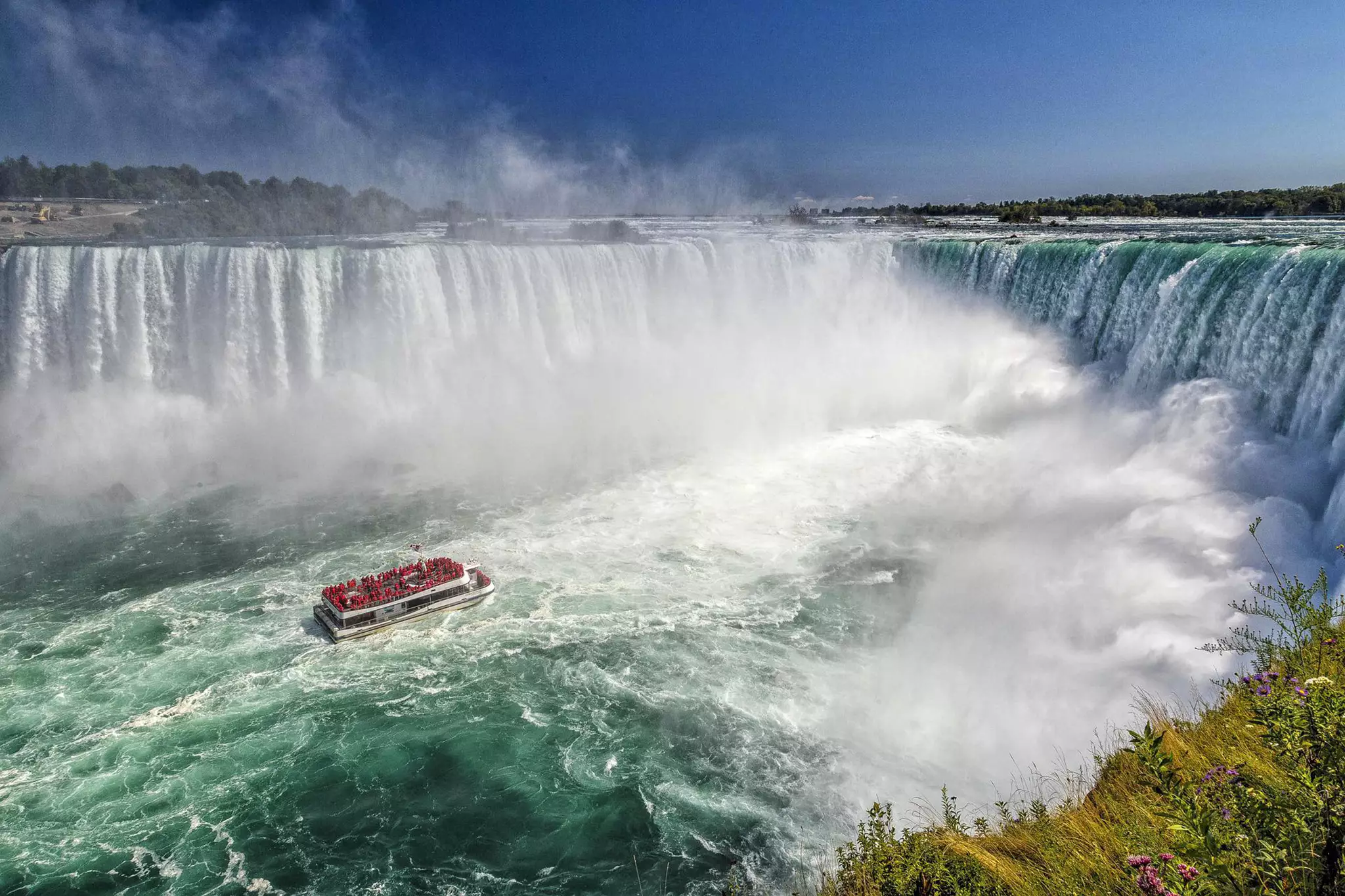
Niagara Falls

Niagara Falls is one of the most popular tourist destinations in North America. Every year, millions of people visit Niagara Falls to see the amazing sights and experience the natural wonders of this world-famous destination.

The History of Niagara Falls

Niagara Falls has been a tourist destination for centuries. The first person to visit Niagara Falls was Father Louis Hennepin, a French missionary, in 1678. He wrote about the beauty of the falls, which attracted other European explorers and settlers to the area.

In the early 19th century, Niagara Falls became a popular honeymoon destination for American couples. The popularity of the falls as a tourist destination grew throughout the 19th and 20th centuries. Today Niagara Falls is one of the most popular tourist destinations, attracting millions of visitors each year.

The Different Views of Niagara Falls

There are three different ways to view Niagara Falls: from the Canadian side, from the American side, and from above.

·        The Canadian side offers the best views of Niagara Falls. There are several observation decks, viewing areas, and a boardwalk that takes you right to the edge of the falls. You can also take a ride on the Maid of the Mist boat tour, which gets you up close and personal with the falls.

·        The American side offers different views of Niagara Falls than what you will see from the Canadian side. The most popular spot to view Niagara Falls on the American side is Goat Island, where you can walk out to the edge of Horseshoe Falls. Another great spot for views is Prospect Point Park, where you can get a bird’s eye view of all three waterfalls.

·        For something truly unique, take a trip aboard the Niagara Gorge Railway and enjoy panoramic views of Niagara Falls from above. It is a great way to see all three waterfalls at once and get an idea of how massive they are.

The Edge of the Niagara Falls

The edge of the falls is the best place to see the power of the water as it tumbles over the precipice. Several observation decks along the Niagara Gorge offer breathtaking views of the falls. The Rainbow Bridge, which spans the gorge just upstream from the falls, is a popular spot for picture-taking and boasts an up-close view of both the American and Horseshoe Falls.

Daredevils of Niagara Falls

Since the early days of Niagara Falls, people have been drawn to its raw power and beauty. Over the years, many have attempted to conquer the falls, often with tragic results. Here are some of the most famous (or infamous) daredevils who have taken on Niagara Falls:

·        Annie Edson Taylor was the first person to go over Niagara Falls in a barrel. She did it on her 63rd birthday in 1901 to achieve fame and fortune. Thankfully, she survived the stunt and lived to tell the tale.

·        Bobby Leach was the second person to went over Niagara Falls in a barrel. He did it in 1911 and also survived. Later he performed other stunts, including walking across a tightrope stretched over the falls.

·        Charles Stephens attempted to go over Niagara Falls in a barrel in 1920 but died during the attempt. His body is still missing.

·        Red Hill Sr., along with his son Red Hill Jr., became the first (and only) father and son duet, who went over Niagara Falls together in a barrel. They did it in 1951, and both survived.

·        Nik Wallenda became the first person to walk across Niagara Falls on a tightrope in 2012. He completed the stunt, which was televised live around the world.

How to get to Niagara Falls

Niagara Falls are located on the border between the United States and Canada, so there are a few different ways to reach them depending on your location.

If you are coming from the United States, the easiest way to get to Niagara Falls is by car. Several highways lead right to the falls, and once you cross the border into Canada, signs will point you in the right direction.

If you are coming from Toronto or another Canadian city, you can take a bus or train to Niagara Falls.

Once you arrive in Niagara Falls, there are plenty of ways to get up close and personal with the falls.

·        You can walk along the edges of the waterfall.

·        You can ride an elevator to the top of one of the falls for an incredible view.

·        You can also take a boat tour that takes you right into the spray of the falls.

Travel Guide for Niagara Falls

While planning a trip to Niagara Falls, there are a few things to know before visiting. Here is a travel guide for sightseers that will help you make the most of your trip:

When to Visit: The best time to visit Niagara Falls is during the summer season when the weather is warm and sunny. However, keep in mind that June through August are also the busiest months at Niagara Falls, so expect large crowds. If you want to avoid the crowds, plan your trip for September or October when the weather is still pleasant.

What to See: There is more to see at Niagara Falls than just the falls themselves. Be sure to take a ride on the Maid of the Mist boat tour for an up-close look at the powerful falls, and do not forget to visit Goat Island for some fantastic views. For something truly unique, check out 'Journey Behind the Falls', where you can stand inside a cave behind the raging waters of Horseshoe Falls.

What to Do: Other than sightseeing, there are plenty of other activities to enjoy at Niagara Falls. Take a walk along one of the many scenic trails, go whitewater rafting or tubing down the rapids, or take a helicopter.

Where to stay when visiting Niagara Falls

The first question you need to ask when trying to find accommodation in Niagara Falls is, how close to the Falls do you want to be?

If your priority is to walk out of your door and see the Falls, then you can stay in hotels like the Niagara Falls Marriott or the Sheraton on the Falls. Both of these come with a high price tag, so if you are looking for something more budget-friendly, there are plenty of other hotels located a little further away from the Falls. These hotels will still give you easy access to all the main attractions.

If you are hoping to do some wine touring, then it might be worth considering staying in Niagara-on-the-Lake. This quaint town, situated right in the middle of Ontario's wine country, offers visitors plenty of options for day trips and activities. There are also several good restaurants and cafes, as well as several bed and breakfasts if you are looking for a more intimate accommodation option.

No matter where you choose to stay, there is no doubt that Niagara Falls is an incredible destination that will leave you with memories to last a lifetime.

Conclusion

Niagara Falls is one of the world's most famous natural wonders and a must-see for any traveler. With its three massive waterfalls, Niagara Falls is one of the most famous waterfalls in the world to be visited once in a lifetime. This travel guide will help you make the most of your visit to Niagara Falls, from where to stay and what to do, to how to best experience this natural wonder. So start planning your trip to Niagara Falls today.