
Traveller

Golden Gate Bridge

Golden Gate Bridge

Introduction

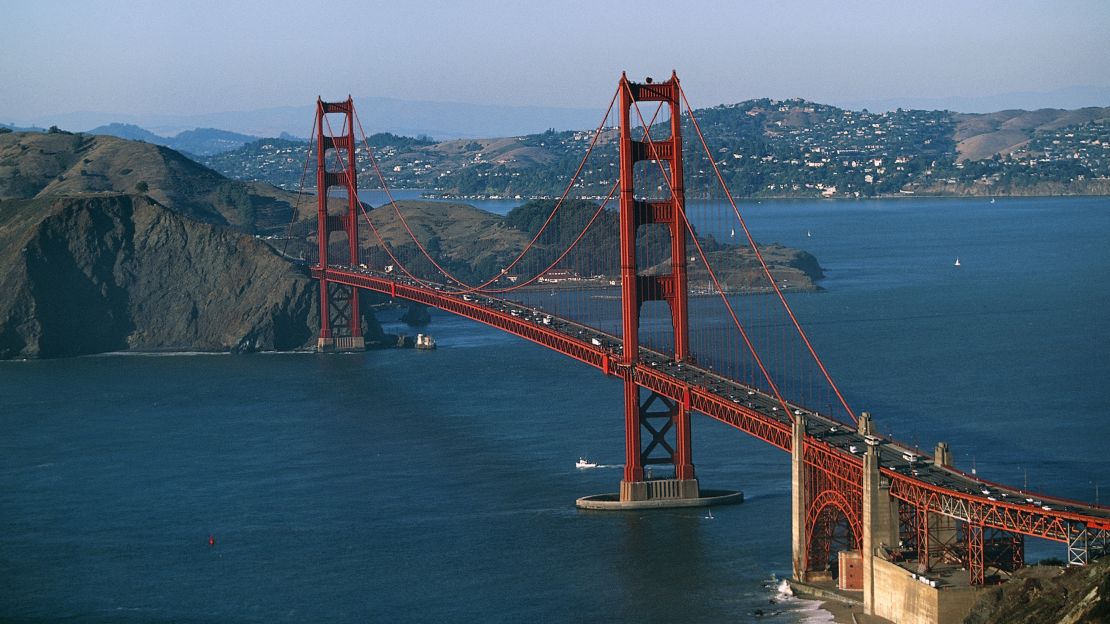
The Golden Gate Bridge is one of the most recognizable landmarks in the world and a powerful symbol of the United States. Located in San Francisco, California, this iconic suspension bridge spans the Golden Gate Strait, connecting the city of San Francisco to Marin County. Known for its striking International Orange color, elegant design, and dramatic setting, the Golden Gate Bridge attracts millions of visitors each year.

More than just a transportation route, the Golden Gate Bridge represents human creativity, engineering excellence, and determination. Since its completion in 1937, it has played a vital role in regional development while becoming a global cultural icon. This article explores the geography, main features, engineering significance, historical importance, challenges, and conservation efforts related to the Golden Gate Bridge.

Geography and Location

The Golden Gate Bridge stretches across the Golden Gate Strait, a narrow channel that connects San Francisco Bay to the Pacific Ocean. The bridge links the city of San Francisco on the southern side to Marin County on the northern side. The strait is known for strong tides, deep waters, powerful winds, and frequent fog, which made construction extremely challenging.

The surrounding landscape adds to the bridge’s beauty. To the south lies the urban skyline of San Francisco, while to the north are the rolling hills of Marin Headlands. The bridge is often surrounded by fog, creating dramatic views that have inspired artists, photographers, and filmmakers from around the world.

Main Features of the Golden Gate Bridge

Bridge Design and Structure

The Golden Gate Bridge is a suspension bridge with a main span of 1,280 meters, making it one of the longest suspension bridges in the world at the time of its completion. The bridge has two tall towers that rise above the water and support thick steel cables, which carry the weight of the roadway.

The bridge’s International Orange color was chosen to improve visibility in foggy conditions and to complement the natural surroundings. The color has since become one of its most distinctive features.

Pedestrian and Viewing Areas

The bridge includes sidewalks for pedestrians and cyclists, allowing visitors to walk or ride across while enjoying panoramic views of the bay, ocean, and city. Viewing points on both sides of the bridge offer excellent photo opportunities and educational displays.

Engineering and Architectural Significance

The construction of the Golden Gate Bridge was considered an extraordinary engineering achievement. Built during the Great Depression, the project provided jobs to thousands of workers and demonstrated innovation under difficult economic conditions.

Chief engineer Joseph Strauss led the project, supported by a team of skilled engineers and architects. Advanced safety measures, including a safety net beneath the bridge, saved many lives and set new standards for construction safety. The bridge was designed to withstand strong winds, earthquakes, and heavy traffic, making it both strong and flexible.

Historical Importance

Before the bridge was built, ferries were the primary way to cross the Golden Gate Strait. The completion of the bridge in 1937 transformed transportation in the region, reducing travel time and encouraging economic growth in northern California.

The Golden Gate Bridge quickly became a symbol of progress and innovation. It has appeared in countless films, books, and artworks, representing San Francisco and American engineering excellence. Over time, it has also become a site of major historical events, celebrations, and public gatherings.

Importance of the Golden Gate Bridge

Economic Importance

The bridge plays a crucial role in supporting trade, tourism, and daily commuting. It carries millions of vehicles each year, connecting communities and supporting the regional economy. Tourism related to the bridge also generates significant revenue for San Francisco.

Cultural and Social Importance

As a global landmark, the Golden Gate Bridge holds cultural significance beyond its practical function. It represents freedom, creativity, and resilience. For many visitors, seeing the bridge in person is a memorable and inspiring experience.

Threats and Challenges

Despite its strength, the Golden Gate Bridge faces several challenges:

Earthquakes – The bridge lies near major fault lines and requires constant seismic upgrades.

Weather Conditions – Fog, saltwater, and strong winds contribute to corrosion.

Aging Infrastructure – Continuous maintenance is needed to preserve structural integrity.

High Traffic Volume – Heavy use increases wear and tear over time.

Addressing these challenges is essential to ensure the bridge’s long-term safety.

Conservation and Maintenance Efforts

The Golden Gate Bridge is carefully maintained by a dedicated management authority. Key efforts include:

• Regular inspections and structural monitoring

• Ongoing seismic retrofitting to improve earthquake resistance

• Continuous painting and corrosion control

• Traffic management systems to reduce congestion

• Educational programs about bridge history and safety

These measures help protect the bridge while allowing it to function as a major transportation route.

Why the Golden Gate Bridge Is Popular

The Golden Gate Bridge remains one of the world’s most visited landmarks because of:

  1. Iconic Design – A visually striking and elegant structure
  2. Engineering Excellence – A triumph of modern engineering
  3. Scenic Location – Stunning views of ocean, bay, and city
  4. Cultural Symbolism – A representation of innovation and resilience
  5. Visitor Accessibility – Walkways and viewing areas for the public

Conclusion

The Golden Gate Bridge is more than a bridge; it is a masterpiece of engineering, a symbol of human achievement, and a defining feature of San Francisco. Its impressive design, historical significance, and cultural impact make it one of the most admired structures in the world.

Through ongoing maintenance, conservation, and innovation, the Golden Gate Bridge continues to serve millions of people while inspiring generations. It stands as a lasting reminder of how vision, creativity, and determination can transform challenges into enduring landmarks.

00 Comments

No comments yet.

Leave a Comment

We are offering for you

Featured Articles

Niagara Falls

Niagara Falls is one of the most popular tourist destinations in North America. Every year, millions of people visit Niagara Falls to see the amazing sights and experience the natural wonders of this world-famous destination.

The History of Niagara Falls

Niagara Falls has been a tourist destination for centuries. The first person to visit Niagara Falls was Father Louis Hennepin, a French missionary, in 1678. He wrote about the beauty of the falls, which attracted other European explorers and settlers to the area.

In the early 19th century, Niagara Falls became a popular honeymoon destination for American couples. The popularity of the falls as a tourist destination grew throughout the 19th and 20th centuries. Today Niagara Falls is one of the most popular tourist destinations, attracting millions of visitors each year.

The Different Views of Niagara Falls

There are three different ways to view Niagara Falls: from the Canadian side, from the American side, and from above.

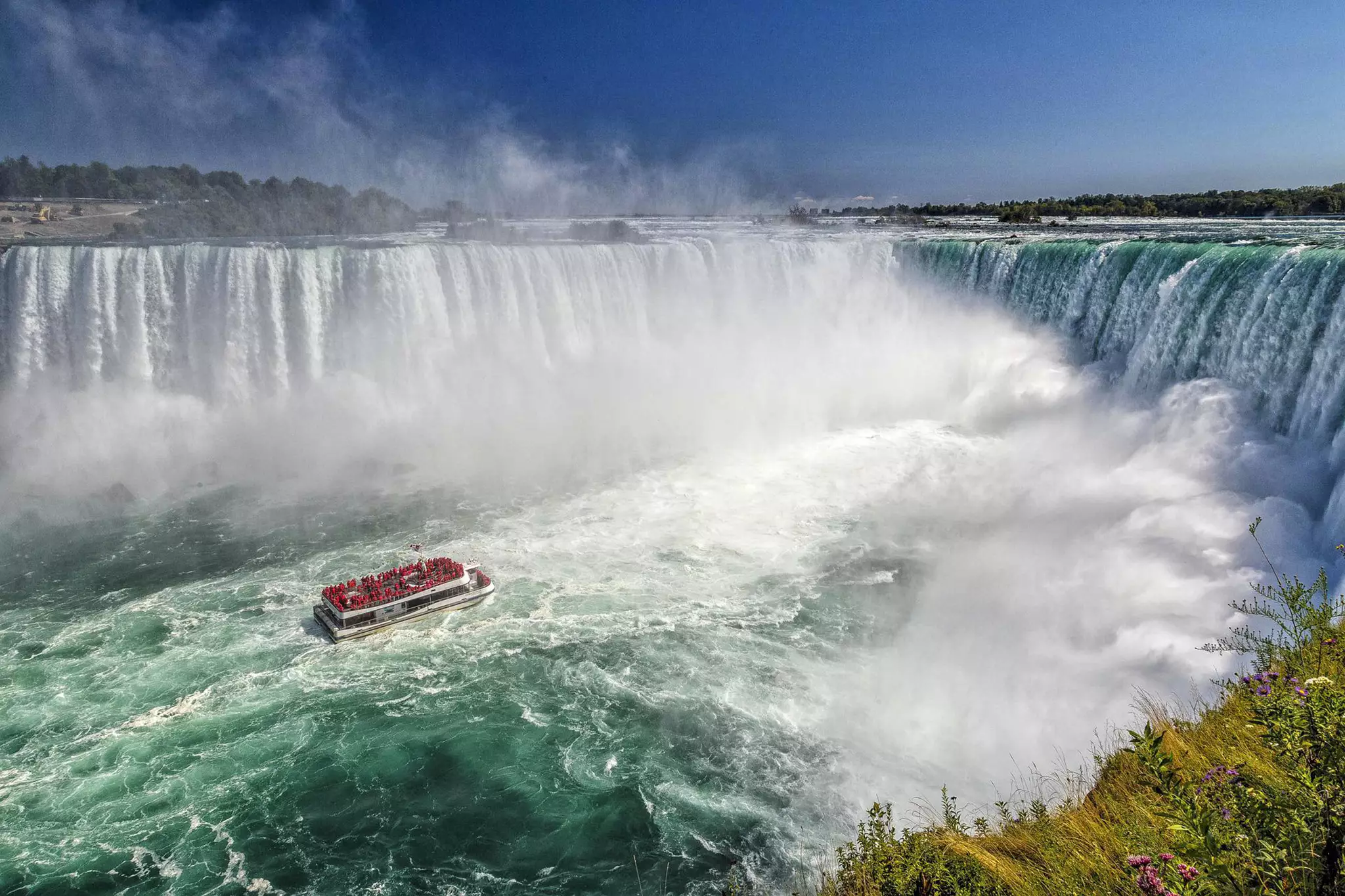
·        The Canadian side offers the best views of Niagara Falls. There are several observation decks, viewing areas, and a boardwalk that takes you right to the edge of the falls. You can also take a ride on the Maid of the Mist boat tour, which gets you up close and personal with the falls.

·        The American side offers different views of Niagara Falls than what you will see from the Canadian side. The most popular spot to view Niagara Falls on the American side is Goat Island, where you can walk out to the edge of Horseshoe Falls. Another great spot for views is Prospect Point Park, where you can get a bird’s eye view of all three waterfalls.

·        For something truly unique, take a trip aboard the Niagara Gorge Railway and enjoy panoramic views of Niagara Falls from above. It is a great way to see all three waterfalls at once and get an idea of how massive they are.

The Edge of the Niagara Falls

The edge of the falls is the best place to see the power of the water as it tumbles over the precipice. Several observation decks along the Niagara Gorge offer breathtaking views of the falls. The Rainbow Bridge, which spans the gorge just upstream from the falls, is a popular spot for picture-taking and boasts an up-close view of both the American and Horseshoe Falls.

Daredevils of Niagara Falls

Since the early days of Niagara Falls, people have been drawn to its raw power and beauty. Over the years, many have attempted to conquer the falls, often with tragic results. Here are some of the most famous (or infamous) daredevils who have taken on Niagara Falls:

·        Annie Edson Taylor was the first person to go over Niagara Falls in a barrel. She did it on her 63rd birthday in 1901 to achieve fame and fortune. Thankfully, she survived the stunt and lived to tell the tale.

·        Bobby Leach was the second person to went over Niagara Falls in a barrel. He did it in 1911 and also survived. Later he performed other stunts, including walking across a tightrope stretched over the falls.

·        Charles Stephens attempted to go over Niagara Falls in a barrel in 1920 but died during the attempt. His body is still missing.

·        Red Hill Sr., along with his son Red Hill Jr., became the first (and only) father and son duet, who went over Niagara Falls together in a barrel. They did it in 1951, and both survived.

·        Nik Wallenda became the first person to walk across Niagara Falls on a tightrope in 2012. He completed the stunt, which was televised live around the world.

How to get to Niagara Falls

Niagara Falls are located on the border between the United States and Canada, so there are a few different ways to reach them depending on your location.

If you are coming from the United States, the easiest way to get to Niagara Falls is by car. Several highways lead right to the falls, and once you cross the border into Canada, signs will point you in the right direction.

If you are coming from Toronto or another Canadian city, you can take a bus or train to Niagara Falls.

Once you arrive in Niagara Falls, there are plenty of ways to get up close and personal with the falls.

·        You can walk along the edges of the waterfall.

·        You can ride an elevator to the top of one of the falls for an incredible view.

·        You can also take a boat tour that takes you right into the spray of the falls.

Travel Guide for Niagara Falls

While planning a trip to Niagara Falls, there are a few things to know before visiting. Here is a travel guide for sightseers that will help you make the most of your trip:

When to Visit: The best time to visit Niagara Falls is during the summer season when the weather is warm and sunny. However, keep in mind that June through August are also the busiest months at Niagara Falls, so expect large crowds. If you want to avoid the crowds, plan your trip for September or October when the weather is still pleasant.

What to See: There is more to see at Niagara Falls than just the falls themselves. Be sure to take a ride on the Maid of the Mist boat tour for an up-close look at the powerful falls, and do not forget to visit Goat Island for some fantastic views. For something truly unique, check out 'Journey Behind the Falls', where you can stand inside a cave behind the raging waters of Horseshoe Falls.

What to Do: Other than sightseeing, there are plenty of other activities to enjoy at Niagara Falls. Take a walk along one of the many scenic trails, go whitewater rafting or tubing down the rapids, or take a helicopter.

Where to stay when visiting Niagara Falls

The first question you need to ask when trying to find accommodation in Niagara Falls is, how close to the Falls do you want to be?

If your priority is to walk out of your door and see the Falls, then you can stay in hotels like the Niagara Falls Marriott or the Sheraton on the Falls. Both of these come with a high price tag, so if you are looking for something more budget-friendly, there are plenty of other hotels located a little further away from the Falls. These hotels will still give you easy access to all the main attractions.

If you are hoping to do some wine touring, then it might be worth considering staying in Niagara-on-the-Lake. This quaint town, situated right in the middle of Ontario's wine country, offers visitors plenty of options for day trips and activities. There are also several good restaurants and cafes, as well as several bed and breakfasts if you are looking for a more intimate accommodation option.

No matter where you choose to stay, there is no doubt that Niagara Falls is an incredible destination that will leave you with memories to last a lifetime.

Conclusion

Niagara Falls is one of the world's most famous natural wonders and a must-see for any traveler. With its three massive waterfalls, Niagara Falls is one of the most famous waterfalls in the world to be visited once in a lifetime. This travel guide will help you make the most of your visit to Niagara Falls, from where to stay and what to do, to how to best experience this natural wonder. So start planning your trip to Niagara Falls today.