
Traveller

Faroe Islands

Faroe Islands

Introduction

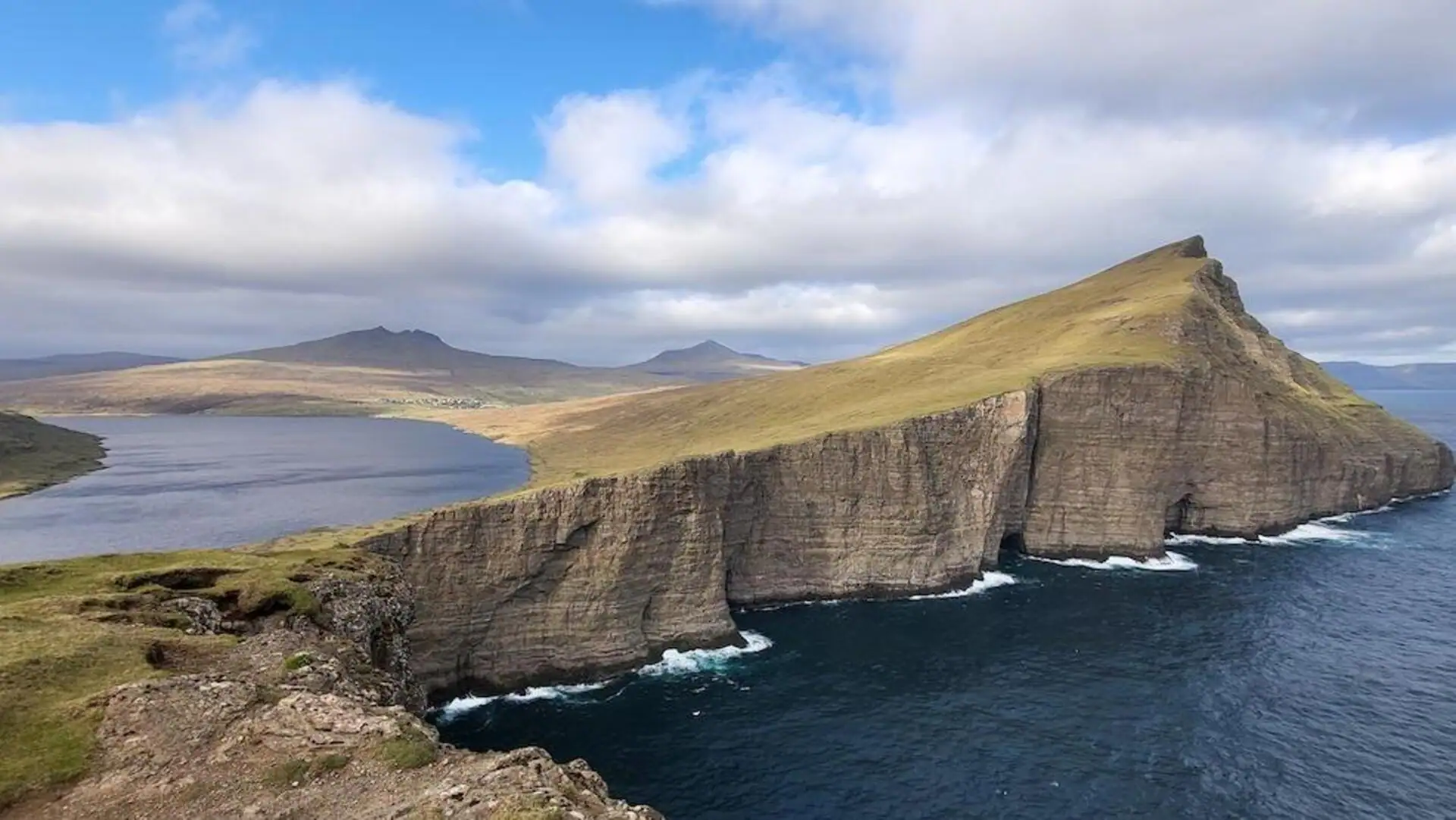
Rising dramatically from the North Atlantic Ocean between Iceland and Norway, the Faroe Islands are one of Europe’s most spectacular and least-explored destinations. This remote archipelago, officially part of the Kingdom of Denmark, consists of 18 rugged volcanic islands connected by tunnels, bridges, and ferries. Known for their dramatic cliffs, mist-covered mountains, powerful waterfalls, and vibrant Nordic culture, the Faroe Islands offer an unforgettable journey into raw, untamed nature.

Unlike mainstream European destinations, the Faroe Islands remain largely untouched by mass tourism. Here, weather changes by the minute, sheep outnumber people, and nature dictates the rhythm of daily life. For travelers seeking adventure, solitude, and authenticity, the Faroe Islands represent one of the most rewarding travel experiences in the world.


Geographical and Environmental Significance

The Faroe Islands are located approximately 320 kilometers (200 miles) north of Scotland, positioned in the heart of the North Atlantic. The islands were formed by volcanic activity millions of years ago, resulting in a dramatic landscape dominated by steep basalt cliffs, narrow fjords, and rolling green hills.

Surrounded by cold, nutrient-rich waters, the Faroe Islands support an abundance of marine life, including seabirds, fish, seals, and whales. The islands’ isolation and harsh weather have preserved ecosystems that remain largely undisturbed, making the Faroes a haven for nature lovers and environmental researchers.

The climate is classified as subpolar oceanic, characterized by cool summers, mild winters, frequent rain, and strong winds. This constant moisture fuels the islands’ lush green appearance and creates countless waterfalls cascading down cliff faces, especially after rainfall.


Dramatic Landscapes and Natural Wonders

The Faroe Islands are renowned for some of Europe’s most breathtaking scenery. Towering sea cliffs plunge into the ocean, often disappearing into swirling mist. One of the most iconic sights is Møllafossur Waterfall, which flows directly from a cliff into the Atlantic Ocean, creating a scene that looks almost unreal.

Another famous viewpoint is Trælanípa (Slave Cliff) near Lake Sørvágsvatn, where the lake appears to float above the ocean due to an optical illusion. The islands are also home to striking sea stacks such as Risin and Kellingin, legendary rock formations shaped by wind and waves.

Hiking trails crisscross the islands, leading travelers through remote valleys, mountain passes, and coastal paths. Each hike offers panoramic views of dramatic landscapes that feel untouched by time.


Wildlife and Birdlife

The Faroe Islands are a paradise for wildlife enthusiasts, particularly birdwatchers. The cliffs and grassy slopes serve as nesting grounds for millions of seabirds, including puffins, gannets, guillemots, and fulmars. Mykines Island, often called the “Bird Paradise,” is one of the best places in Europe to observe puffins up close during breeding season.

Marine life is equally impressive. The surrounding waters host dolphins, seals, and several whale species. Traditional fishing remains central to Faroese life, and sustainable fishing practices help protect the marine ecosystem.


History and Viking Heritage

The history of the Faroe Islands dates back over a thousand years. The islands were settled by Norse Vikings in the 9th century, and their influence remains deeply embedded in Faroese culture. The Althing, one of the world’s oldest parliaments, was established here around 900 AD, highlighting the islands’ long tradition of self-governance.

Throughout history, the Faroese people have endured isolation, harsh weather, and limited resources. This resilience has shaped a strong sense of community and cultural identity that continues today.


Faroese Culture and Traditions

Faroese culture is rich, distinct, and deeply connected to nature. The Faroese language, derived from Old Norse, is a source of national pride and is widely spoken across the islands.

Traditional music, chain dancing, and storytelling play an important role in preserving cultural heritage. Festivals often bring communities together to celebrate history, food, and folklore.

Cuisine in the Faroe Islands reflects the islands’ environment. Local dishes emphasize seafood, lamb, and fermented foods developed as preservation methods during long winters. Modern Faroese chefs have elevated traditional ingredients into world-class Nordic cuisine, gaining international recognition.


Sustainable Living and Eco-Tourism

Sustainability is a core value in the Faroe Islands. With fragile ecosystems and limited land, environmental protection is taken seriously. The islands promote responsible tourism, encouraging visitors to respect nature, follow hiking guidelines, and support local businesses.

Innovative initiatives such as temporary tourist closures for environmental maintenance demonstrate the Faroes’ commitment to preserving their landscapes for future generations. Renewable energy, particularly wind and hydroelectric power, plays an increasing role in daily life.


Best Time to Visit the Faroe Islands

The best time to visit the Faroe Islands is between May and September, when daylight hours are long, hiking trails are accessible, and wildlife is most active. Summer brings milder temperatures and better conditions for exploring the outdoors.

However, each season offers a different experience. Winter showcases dramatic storms, fewer visitors, and a moody atmosphere ideal for photographers seeking raw, elemental beauty.


How to Get Around

Despite their remote location, the Faroe Islands have an excellent infrastructure. Subsea tunnels, bridges, and ferries connect most islands, making travel surprisingly easy. Car rentals are popular, allowing visitors to explore at their own pace and reach remote viewpoints.

Public buses and ferries also operate efficiently, offering scenic journeys across the archipelago.


Why the Faroe Islands Belong on Your Travel Bucket List

The Faroe Islands offer an experience unlike anywhere else in Europe. Their combination of dramatic landscapes, rich culture, and sustainable living creates a destination that feels both wild and welcoming.

For travelers seeking adventure, photography, hiking, or cultural immersion, the Faroe Islands deliver unforgettable moments in every direction. It is a place where nature dominates, traditions endure, and every journey feels deeply meaningful.


Conclusion

The Faroe Islands stand as one of Europe’s last truly wild destinations. Shaped by volcanic forces, ocean storms, and centuries of resilience, this remarkable archipelago invites travelers to slow down and reconnect with the natural world. From towering cliffs and cascading waterfalls to vibrant culture and warm hospitality, the Faroe Islands offer a journey that lingers long after the trip ends.
00 Comments

No comments yet.

Leave a Comment

We are offering for you

Featured Articles

Niagara Falls

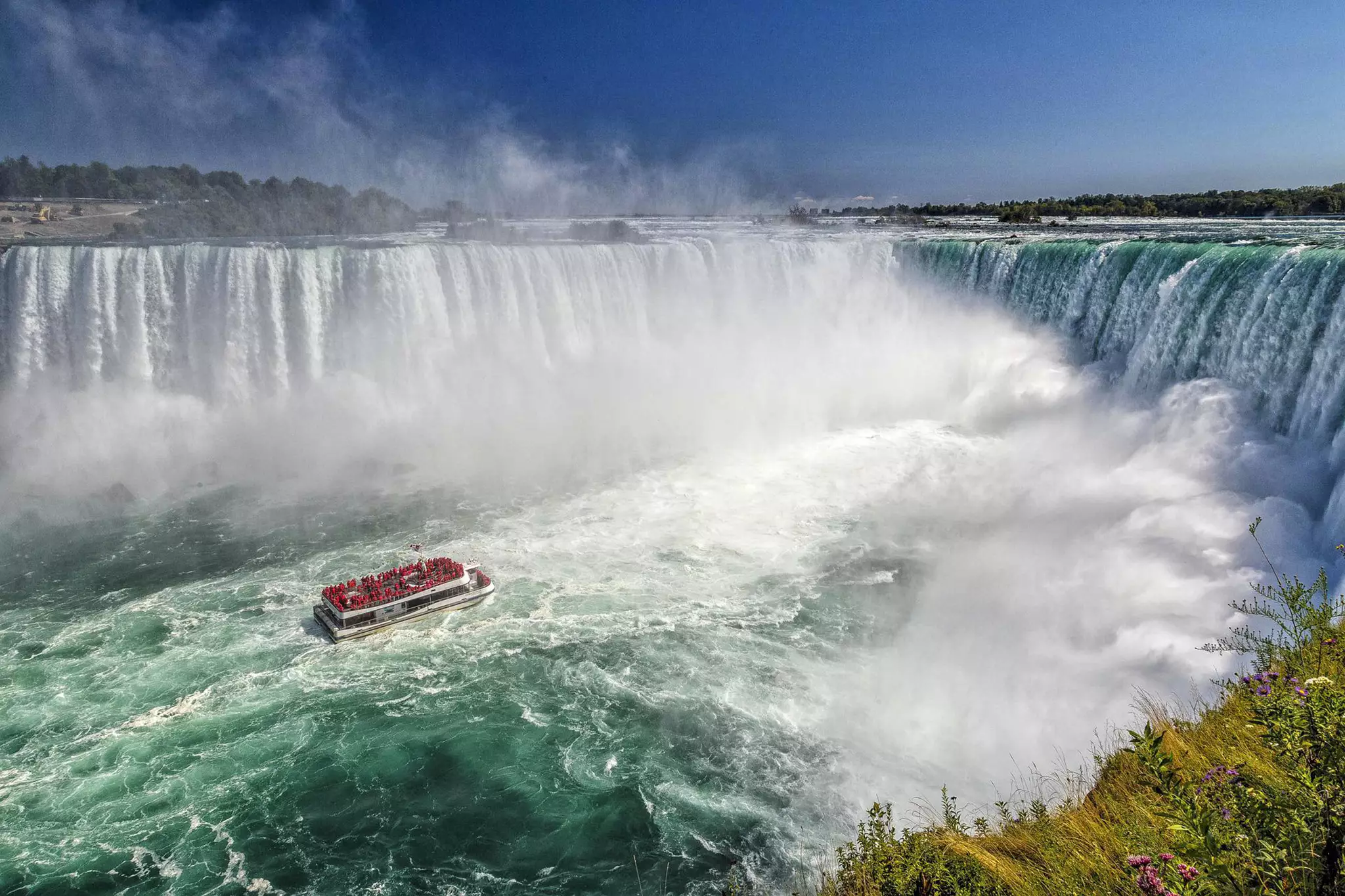
Niagara Falls is one of the most popular tourist destinations in North America. Every year, millions of people visit Niagara Falls to see the amazing sights and experience the natural wonders of this world-famous destination.

The History of Niagara Falls

Niagara Falls has been a tourist destination for centuries. The first person to visit Niagara Falls was Father Louis Hennepin, a French missionary, in 1678. He wrote about the beauty of the falls, which attracted other European explorers and settlers to the area.

In the early 19th century, Niagara Falls became a popular honeymoon destination for American couples. The popularity of the falls as a tourist destination grew throughout the 19th and 20th centuries. Today Niagara Falls is one of the most popular tourist destinations, attracting millions of visitors each year.

The Different Views of Niagara Falls

There are three different ways to view Niagara Falls: from the Canadian side, from the American side, and from above.

·        The Canadian side offers the best views of Niagara Falls. There are several observation decks, viewing areas, and a boardwalk that takes you right to the edge of the falls. You can also take a ride on the Maid of the Mist boat tour, which gets you up close and personal with the falls.

·        The American side offers different views of Niagara Falls than what you will see from the Canadian side. The most popular spot to view Niagara Falls on the American side is Goat Island, where you can walk out to the edge of Horseshoe Falls. Another great spot for views is Prospect Point Park, where you can get a bird’s eye view of all three waterfalls.

·        For something truly unique, take a trip aboard the Niagara Gorge Railway and enjoy panoramic views of Niagara Falls from above. It is a great way to see all three waterfalls at once and get an idea of how massive they are.

The Edge of the Niagara Falls

The edge of the falls is the best place to see the power of the water as it tumbles over the precipice. Several observation decks along the Niagara Gorge offer breathtaking views of the falls. The Rainbow Bridge, which spans the gorge just upstream from the falls, is a popular spot for picture-taking and boasts an up-close view of both the American and Horseshoe Falls.

Daredevils of Niagara Falls

Since the early days of Niagara Falls, people have been drawn to its raw power and beauty. Over the years, many have attempted to conquer the falls, often with tragic results. Here are some of the most famous (or infamous) daredevils who have taken on Niagara Falls:

·        Annie Edson Taylor was the first person to go over Niagara Falls in a barrel. She did it on her 63rd birthday in 1901 to achieve fame and fortune. Thankfully, she survived the stunt and lived to tell the tale.

·        Bobby Leach was the second person to went over Niagara Falls in a barrel. He did it in 1911 and also survived. Later he performed other stunts, including walking across a tightrope stretched over the falls.

·        Charles Stephens attempted to go over Niagara Falls in a barrel in 1920 but died during the attempt. His body is still missing.

·        Red Hill Sr., along with his son Red Hill Jr., became the first (and only) father and son duet, who went over Niagara Falls together in a barrel. They did it in 1951, and both survived.

·        Nik Wallenda became the first person to walk across Niagara Falls on a tightrope in 2012. He completed the stunt, which was televised live around the world.

How to get to Niagara Falls

Niagara Falls are located on the border between the United States and Canada, so there are a few different ways to reach them depending on your location.

If you are coming from the United States, the easiest way to get to Niagara Falls is by car. Several highways lead right to the falls, and once you cross the border into Canada, signs will point you in the right direction.

If you are coming from Toronto or another Canadian city, you can take a bus or train to Niagara Falls.

Once you arrive in Niagara Falls, there are plenty of ways to get up close and personal with the falls.

·        You can walk along the edges of the waterfall.

·        You can ride an elevator to the top of one of the falls for an incredible view.

·        You can also take a boat tour that takes you right into the spray of the falls.

Travel Guide for Niagara Falls

While planning a trip to Niagara Falls, there are a few things to know before visiting. Here is a travel guide for sightseers that will help you make the most of your trip:

When to Visit: The best time to visit Niagara Falls is during the summer season when the weather is warm and sunny. However, keep in mind that June through August are also the busiest months at Niagara Falls, so expect large crowds. If you want to avoid the crowds, plan your trip for September or October when the weather is still pleasant.

What to See: There is more to see at Niagara Falls than just the falls themselves. Be sure to take a ride on the Maid of the Mist boat tour for an up-close look at the powerful falls, and do not forget to visit Goat Island for some fantastic views. For something truly unique, check out 'Journey Behind the Falls', where you can stand inside a cave behind the raging waters of Horseshoe Falls.

What to Do: Other than sightseeing, there are plenty of other activities to enjoy at Niagara Falls. Take a walk along one of the many scenic trails, go whitewater rafting or tubing down the rapids, or take a helicopter.

Where to stay when visiting Niagara Falls

The first question you need to ask when trying to find accommodation in Niagara Falls is, how close to the Falls do you want to be?

If your priority is to walk out of your door and see the Falls, then you can stay in hotels like the Niagara Falls Marriott or the Sheraton on the Falls. Both of these come with a high price tag, so if you are looking for something more budget-friendly, there are plenty of other hotels located a little further away from the Falls. These hotels will still give you easy access to all the main attractions.

If you are hoping to do some wine touring, then it might be worth considering staying in Niagara-on-the-Lake. This quaint town, situated right in the middle of Ontario's wine country, offers visitors plenty of options for day trips and activities. There are also several good restaurants and cafes, as well as several bed and breakfasts if you are looking for a more intimate accommodation option.

No matter where you choose to stay, there is no doubt that Niagara Falls is an incredible destination that will leave you with memories to last a lifetime.

Conclusion

Niagara Falls is one of the world's most famous natural wonders and a must-see for any traveler. With its three massive waterfalls, Niagara Falls is one of the most famous waterfalls in the world to be visited once in a lifetime. This travel guide will help you make the most of your visit to Niagara Falls, from where to stay and what to do, to how to best experience this natural wonder. So start planning your trip to Niagara Falls today.