

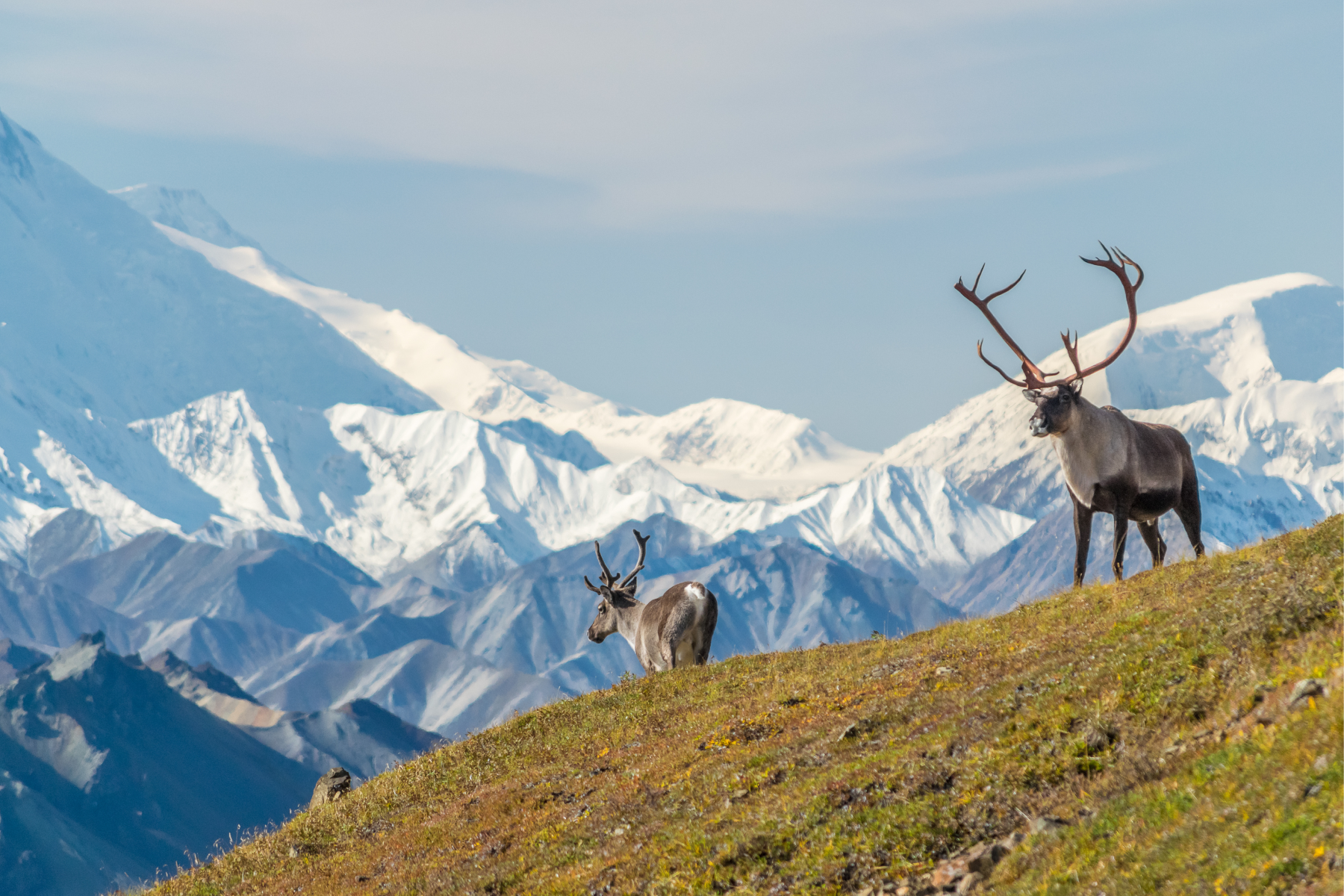
Denali National Park
Introduction
In the vast and untamed landscapes of Alaska lies one of the most spectacular wilderness areas on Earth—Denali National Park. Home to North America's highest peak, immense tundra plains, pristine rivers, towering glaciers, and extraordinary wildlife, Denali represents the very essence of wild America.
Often called America’s Last Great Wilderness, Denali National Park and Preserve is a destination where nature remains largely untouched by modern development. Covering more than six million acres of protected land, the park offers visitors a rare opportunity to experience landscapes that have changed little for thousands of years.
At the heart of this wilderness stands Denali, a towering giant that dominates the Alaskan skyline and inspires adventurers from around the world.
For travelers seeking breathtaking scenery, wildlife encounters, outdoor adventure, and a true connection with nature, Denali National Park is one of the most rewarding destinations in North America.
Geography and Environment
Located in the interior of Alaska, Denali National Park stretches across an immense landscape of mountains, forests, tundra, rivers, and glaciers.
The park covers approximately 24,500 square kilometers, making it larger than many countries around the world.
Its diverse ecosystems range from lowland boreal forests to alpine tundra and permanently frozen glacial environments.
Because of its northern latitude and remote location, Denali experiences long summer days with nearly continuous daylight and dramatic winter seasons characterized by snow and extreme cold.
The park’s vast wilderness provides one of the most pristine natural environments remaining in North America.
Denali – The Roof of North America
The centerpiece of the park is Denali, formerly known as Mount McKinley.
Rising to an elevation of 6,190 meters (20,310 feet), Denali is the highest mountain in North America and one of the world's most impressive peaks.
Its immense vertical rise from surrounding lowlands makes it appear even more dramatic than many taller mountains elsewhere on Earth.
The mountain's name means "The High One" in the language of the Indigenous Koyukon Athabaskan people.
Visible from great distances on clear days, Denali dominates the landscape and serves as a powerful symbol of Alaska’s wilderness.
Climbers from around the world attempt to reach its summit, though the mountain’s extreme weather and challenging conditions make it one of the most demanding climbs on the planet.
Vast Wilderness and Untouched Landscapes
One of Denali’s greatest attractions is its sheer scale and sense of remoteness.
Unlike many national parks with extensive development, most of Denali remains completely wild.
There are very few roads, and large portions of the park can only be explored by hiking, backpacking, or guided wilderness tours.
Rolling tundra stretches toward distant mountain ranges, while braided rivers carve pathways through broad valleys.
Snow-covered peaks, glaciers, and alpine meadows create an ever-changing landscape that feels untouched by time.
This vastness gives visitors a profound sense of freedom and connection to nature.
Extraordinary Wildlife Encounters
Denali National Park is one of the best places in North America to observe wildlife in its natural habitat.
The park is home to the famous “Big Five” wildlife species:
- Grizzly Bear
- Gray Wolf
- Moose
- Dall Sheep
- Caribou
Visitors frequently spot these animals roaming across the tundra, grazing on hillsides, or moving through river valleys.
The park also supports foxes, lynx, beavers, golden eagles, and numerous migratory bird species.
Because wildlife populations remain healthy and ecosystems are largely intact, Denali offers some of the most authentic wildlife-viewing opportunities in North America.
Glaciers and Ice-Carved Landscapes
Denali’s dramatic scenery owes much to its glaciers.
Massive rivers of ice flow down mountain valleys, shaping the landscape through erosion and deposition.
Among the most notable glaciers is the Kahiltna Glacier, the longest glacier in the Alaska Range.
These glaciers create spectacular icefalls, moraines, and meltwater streams that contribute to the park’s stunning natural beauty.
The sight of towering mountains rising above sprawling glaciers is one of Denali’s most memorable experiences.
Hiking and Outdoor Adventures
Denali National Park is a paradise for outdoor enthusiasts.
Unlike many parks with heavily developed trail networks, Denali encourages off-trail exploration, allowing visitors to experience true wilderness.
Hiking opportunities range from short interpretive walks to multi-day backcountry expeditions.
Wild rivers, alpine ridges, tundra landscapes, and remote valleys provide endless opportunities for adventure.
Visitors can also enjoy camping, mountaineering, wildlife photography, rafting, and scenic flightseeing tours.
For experienced adventurers, Denali offers some of the most rewarding wilderness experiences on Earth.
Indigenous Heritage and Cultural Significance
Long before the establishment of the national park, Indigenous peoples lived and traveled throughout the region.
The Koyukon Athabaskan people have deep cultural connections to the landscape and regard Denali as a sacred mountain.
Traditional knowledge, storytelling, and subsistence practices remain important parts of regional identity.
Today, park interpretation programs help visitors understand the cultural history and Indigenous perspectives associated with this remarkable landscape.
Recognizing these traditions enriches the overall experience of visiting Denali.
The Famous Denali Park Road
One of the unique features of the park is the Denali Park Road, a single road that extends deep into the wilderness.
Private vehicle access is highly restricted, helping preserve the park’s natural character.
Most visitors travel along the road using park-operated buses or guided tours.
These journeys offer excellent opportunities to observe wildlife and enjoy spectacular views of Denali and the surrounding mountains.
The road itself has become one of Alaska’s most famous scenic routes.
Sustainability and Conservation
Denali National Park plays a vital role in protecting Alaska’s ecosystems and wildlife populations.
Conservation efforts focus on habitat preservation, scientific research, climate monitoring, and responsible tourism management.
Because the Arctic and sub-Arctic regions are particularly vulnerable to climate change, ongoing environmental protection is essential.
Visitors are encouraged to follow Leave No Trace principles and respect wildlife and natural habitats.
These efforts help preserve Denali’s wilderness character for future generations.
Best Time to Visit Denali National Park
The most popular time to visit Denali is between late May and early September.
Summer brings milder temperatures, abundant wildlife activity, and nearly continuous daylight.
June and July offer lush green landscapes and excellent hiking conditions.
Autumn arrives early in Alaska, transforming the tundra into brilliant shades of red, orange, and gold.
Winter provides opportunities for snowshoeing, dog sledding, and viewing the Aurora Borealis, though conditions can be extremely cold.
Each season reveals a different side of Denali’s beauty.
How to Reach Denali National Park
The park is located approximately halfway between Anchorage and Fairbanks.
Visitors can reach the park by road, rail, or organized tours.
The scenic Alaska Railroad offers one of the most picturesque routes to the park, passing through forests, rivers, and mountain landscapes.
Once inside the park, shuttle buses and guided excursions provide access to the wilderness.
Why Visit Denali National Park?
Denali National Park offers an experience unlike any other destination in the United States. Its towering mountain, vast wilderness, incredible wildlife, and untouched landscapes provide a level of natural beauty and authenticity that is increasingly rare in the modern world.
Visitors can witness grizzly bears roaming freely, stand before immense glaciers, hike across remote tundra, and marvel at North America’s highest peak.
For adventurers, photographers, wildlife enthusiasts, and nature lovers, Denali represents the ultimate wilderness destination.
Conclusion
Denali National Park stands as one of the greatest natural treasures of North America. From the towering summit of Denali and vast glacial landscapes to abundant wildlife and pristine wilderness, every part of the park showcases the raw beauty of Alaska.
Its immense scale, ecological significance, and spirit of adventure make it one of the world's most extraordinary protected areas.
For travelers seeking unforgettable experiences in nature, Denali National Park truly deserves its reputation as America’s Last Great Wilderness.
00 Comments
No comments yet.
Leave a Comment