

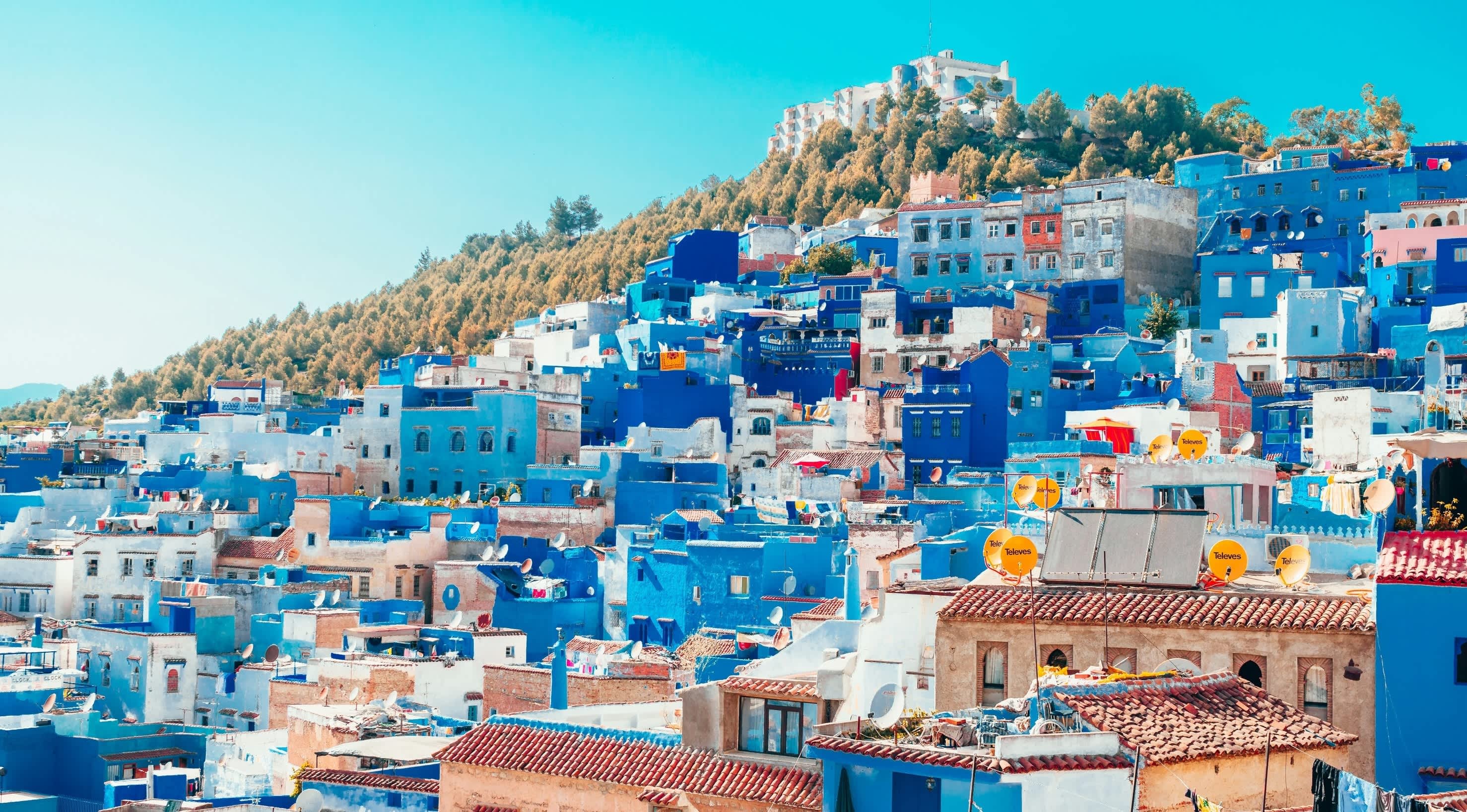
Chefchaouen
Introduction
Nestled in the rugged Rif Mountains of northern Morocco, Chefchaouen is a city that seems to have leapt straight out of a dream. Famous worldwide as the “Blue Pearl” of Morocco, this town is renowned for its vivid blue-washed streets, traditional Moroccan architecture, and tranquil mountain setting. Beyond its striking aesthetics, Chefchaouen is a place of history, culture, spirituality, and natural beauty. For travelers seeking a mix of adventure, relaxation, and cultural immersion, this small city offers an unforgettable experience.
Unlike Morocco’s bustling cities such as Marrakech or Fes, Chefchaouen provides a serene, laid-back atmosphere, making it a perfect escape from modern chaos. Its narrow alleyways, charming squares, and majestic mountains create a harmonious blend of human craftsmanship and nature’s splendor.
Geographical and Environmental Significance
Chefchaouen is located in the Rif Mountain range, approximately 600 meters (1,970 feet) above sea level. The surrounding mountains not only provide stunning panoramic views but also influence the local climate, which is milder than Morocco’s desert regions. The area experiences a mix of Mediterranean and mountain weather, allowing lush greenery, olive groves, and terraced landscapes to thrive.
The town itself is built on a hillside, with cobblestone streets winding upward, offering glimpses of the surrounding mountains from almost every corner. Water springs and rivers near the city sustain its agriculture and contribute to the town’s tranquil ambiance. The Rif Mountains also offer opportunities for trekking, wildlife exploration, and visits to traditional Berber villages, making Chefchaouen a hub for eco-tourism in Morocco.
Historical Background
Chefchaouen was founded in 1471 by Moulay Ali Ben Moussa Ben Rached El Alami as a small fortress to resist Portuguese invasions in northern Morocco. Over the centuries, the city became a refuge for Muslims and Jews fleeing the Reconquista in Spain, which contributed to its unique cultural and architectural identity.
The Spanish influence is evident in Chefchaouen’s colonial-style houses, Andalusian-inspired fountains, and tiled patios, while Moroccan and Berber traditions permeate the local lifestyle. Historically, the town also served as a hub for trade in textiles, leather goods, and cannabis, reflecting its strategic location between the mountains and coastal plains. Today, these influences blend seamlessly to create a city with both historical depth and vibrant contemporary culture.
The Iconic Blue Streets
Chefchaouen’s most famous feature is undoubtedly its blue-painted buildings and alleyways. The origins of the blue color are debated. Some say it was introduced by Jewish refugees in the 1930s to symbolize heaven and spirituality. Others believe the blue helps keep mosquitoes away or cools the houses during hot summers. Whatever the reason, the blue streets have become an iconic symbol of Chefchaouen and one of the most photographed towns in the world.
Walking through the city feels magical: every corner, staircase, and archway is framed by various shades of blue, from deep indigo to pastel sky tones. Local artisans paint doors, walls, and window frames meticulously, ensuring that the city maintains its aesthetic charm. For photographers, Instagrammers, and artists, Chefchaouen is a living canvas.
Architectural and Cultural Highlights
Chefchaouen’s architecture combines Andalusian, Moorish, and Berber elements, resulting in a town that is both cohesive and visually stunning. Key landmarks include:
- Plaza Uta el-Hammam – The town’s main square, lined with cafes and restaurants, ideal for watching daily life unfold.
- Kasbah Museum – A restored fortress offering insight into local history, traditional weapons, and art.
- Grand Mosque – Built in the 15th century, its distinctive octagonal minaret is visible from many parts of the city.
- Ras El-Maa Waterfall – A short walk from the medina, providing a refreshing natural spot with mountain views.
Local culture thrives in small artisan workshops. Chefchaouen is famous for woven textiles, leather goods, and pottery, reflecting centuries-old traditions. Visitors can explore narrow souks (markets) where artisans still craft products by hand, creating a unique shopping experience rooted in heritage.
Outdoor Activities and Natural Beauty
Beyond the medina, Chefchaouen is a paradise for nature lovers and adventure seekers. The Rif Mountains surrounding the town provide numerous opportunities for trekking, hiking, and photography. Popular trails lead to the Spanish Mosque, which offers panoramic sunset views of the city, and to mountain villages that have preserved traditional Berber lifestyles.
Hiking enthusiasts can explore the Akchour Waterfalls and the God’s Bridge, natural limestone formations that are perfect for day trips. The area also hosts diverse flora and fauna, including wild goats, eagles, and endemic plant species. Outdoor activities in Chefchaouen allow travelers to experience the tranquility of Morocco’s mountainous landscapes, far from urban crowds.
Culinary Experience
Chefchaouen’s cuisine reflects the fusion of Moroccan, Andalusian, and Berber influences. Local specialties include:
- Tagine – Slow-cooked stew with meat, vegetables, or fish, seasoned with aromatic spices.
- Couscous – Served traditionally with vegetables and lamb.
- Pastilla – Savory-sweet pastry filled with pigeon or chicken, almonds, and cinnamon.
- Mint Tea – A staple of Moroccan hospitality, often enjoyed in local cafes overlooking the medina.
Street vendors and small family-run restaurants offer fresh olives, cheeses, and pastries. Food in Chefchaouen is not just sustenance; it is a cultural experience that invites visitors to immerse themselves in local traditions and flavors.
Spiritual and Ethical Significance
Chefchaouen is not just visually stunning—it has deep spiritual roots. Many locals consider the city sacred, with a lifestyle centered around simplicity, hospitality, and community. Visitors are encouraged to respect local customs, dress modestly, and engage with the city thoughtfully.
The town’s blue streets, mosques, and serene ambiance contribute to a sense of peace and reflection, making Chefchaouen a destination for travelers seeking both beauty and inner calm. Responsible tourism initiatives help maintain the medina’s charm while protecting natural and cultural heritage.
Environmental Challenges and Preservation
As Chefchaouen gains popularity, it faces challenges from over-tourism and environmental strain. Increased foot traffic in the medina can damage ancient streets and buildings, while littering threatens the natural areas surrounding the town.
Local authorities and NGOs are working to preserve Chefchaouen’s heritage through restoration projects, sustainable tourism campaigns, and environmental awareness programs. Visitors are encouraged to support local businesses and follow eco-friendly practices to ensure the town remains pristine for future generations.
Conclusion: A Timeless Moroccan Jewel
Chefchaouen is more than just a city painted blue; it is a living testament to human creativity, resilience, and harmony with nature. Its stunning medina, rich history, vibrant culture, and surrounding natural beauty make it a destination unlike any other in the world.
For travelers seeking serenity, adventure, or cultural immersion, Chefchaouen offers an experience that lingers long after the visit. It is a place where history, artistry, and natural splendor converge, leaving every visitor inspired, enchanted, and humbled by the enduring charm of Morocco’s Blue Pearl.
00 Comments
No comments yet.
Leave a Comment