

Chapada Diamantina
Introduction
Deep in the heart of northeastern Brazil lies one of South America's most spectacular yet underrated natural treasures—Chapada Diamantina. A land of towering plateaus, hidden caves, emerald valleys, underground rivers, dramatic waterfalls, and breathtaking mountain landscapes, this remarkable region feels like a forgotten world untouched by time.
Often called Brazil’s Lost World, Chapada Diamantina National Park offers a completely different side of Brazil beyond the famous beaches of Rio de Janeiro and the vast Amazon Rainforest. Here, ancient geological formations rise above expansive wilderness, creating one of the continent's most diverse and visually stunning landscapes.
Established in 1985, the park protects more than 1,500 square kilometers of unique ecosystems, making it one of Brazil’s premier destinations for hiking, adventure tourism, wildlife observation, and nature photography.
For travelers seeking hidden gems, epic landscapes, and unforgettable outdoor experiences, Chapada Diamantina represents one of South America's greatest adventures.
Geography and Environment
Chapada Diamantina is located in the state of Bahia, approximately 400 kilometers inland from Brazil's Atlantic coast.
The region forms part of the Serra do Espinhaço, one of South America's oldest mountain systems.
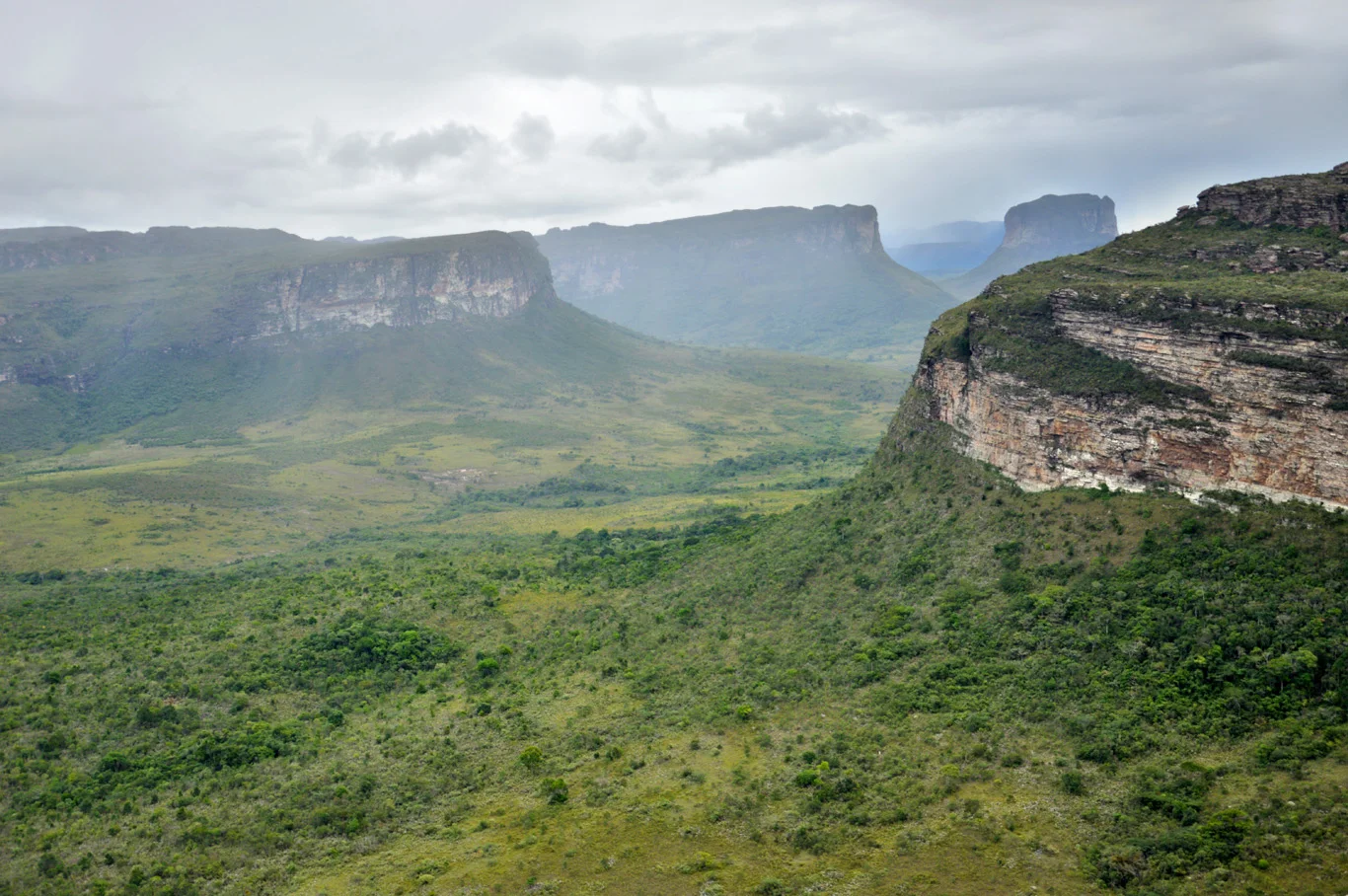
The landscape is characterized by dramatic sandstone plateaus, deep canyons, rivers, waterfalls, caves, and isolated mountain peaks.
Geologists estimate that many of the park's rock formations are hundreds of millions of years old, creating an environment that appears almost prehistoric.
Its varied elevations and climates support an exceptional range of habitats, making Chapada Diamantina one of Brazil’s most biodiverse regions.
The History of the Diamond Highlands
The name "Chapada Diamantina" translates to "Diamond Plateau."
During the 19th century, the region became famous for its diamond discoveries, attracting thousands of prospectors and fortune seekers.
Mining towns emerged throughout the area, transforming the local economy and shaping the cultural identity of the region.
Today, many former mining settlements have preserved their colonial architecture and historical charm.
The town of Lençóis serves as the primary gateway to the national park and remains one of Brazil's most beautiful historic destinations.
Visitors can still explore remnants of the diamond era while enjoying the area's natural wonders.
A Landscape of Ancient Plateaus and Valleys
One of the most striking features of Chapada Diamantina is its dramatic topography.
Flat-topped mountains rise abruptly above deep valleys and vast plains, creating landscapes reminiscent of Arthur Conan Doyle's fictional Lost World.
These ancient plateaus were sculpted over millions of years by wind, rain, and erosion.
The resulting scenery includes towering cliffs, hidden gorges, and expansive viewpoints that stretch for kilometers in every direction.
Many visitors compare the landscape to a combination of the Grand Canyon, Patagonia, and the African highlands.
The park’s geological diversity makes every journey feel like an expedition into a forgotten wilderness.
Fumaça Waterfall – Brazil’s Giant Cascade
Among Chapada Diamantina's most famous attractions is Fumaça Waterfall, one of the tallest waterfalls in South America.
Plunging approximately 340 meters from a dramatic cliff edge, the waterfall creates an unforgettable spectacle.
Strong winds often disperse the falling water into mist before it reaches the ground, giving rise to its name, which means "Smoke Waterfall."
The hike to the viewpoint is considered one of Brazil's most rewarding trekking experiences.
Visitors are treated to panoramic views of deep valleys, rugged cliffs, and untouched wilderness stretching toward the horizon.
The sheer scale of Fumaça Waterfall makes it one of the most iconic natural landmarks in Brazil.
Poço Azul and Poço Encantado – Nature’s Underground Wonders
Chapada Diamantina is also renowned for its extraordinary cave systems.
Among the most famous are Poço Azul and Poço Encantado.
These underground pools contain crystal-clear water of astonishing transparency.
During specific times of the year, sunlight penetrates cave openings and illuminates the water with brilliant shades of blue.
The effect creates one of the most magical natural spectacles in South America.
Visitors often describe the experience as stepping into another world.
These caves rank among the most photographed attractions in Brazil.
Underground Rivers and Hidden Caves
The park contains hundreds of caves formed by water erosion over millions of years.
Some caves feature underground rivers, impressive stalactites, and vast chambers.
Among the most famous is Lapa Doce Cave, one of Brazil’s largest cave systems.
Exploring these underground environments reveals a hidden landscape beneath the mountains.
Many caves remain relatively unexplored, adding to the region's sense of mystery and adventure.
For spelunkers and geology enthusiasts, Chapada Diamantina offers world-class cave exploration opportunities.
Extraordinary Biodiversity
Chapada Diamantina occupies a unique ecological crossroads where multiple Brazilian ecosystems meet.
The park supports forests, grasslands, wetlands, and high-altitude environments.
This diversity provides habitat for numerous species of birds, mammals, reptiles, and plants.
Wildlife enthusiasts may encounter:
- Maned Wolf
- Giant Anteater
- Capuchin Monkey
- Colorful parrots and toucans
- Endemic orchids and rare flowering plants
The park’s biodiversity makes it an important conservation area within Brazil.
Hiking and Adventure Tourism
Chapada Diamantina is widely considered one of the best hiking destinations in South America.
Trails range from short scenic walks to multi-day wilderness expeditions.
Popular routes lead to waterfalls, caves, mountain summits, and remote valleys rarely visited by tourists.
One of the most famous trekking areas is Vale do Pati, often regarded as Brazil's finest long-distance hiking destination.
The valley offers stunning scenery, traditional communities, and immersive wilderness experiences.
Adventure travelers can also enjoy swimming, rock climbing, mountain biking, and canyon exploration.
Cultural Heritage and Local Communities
The region's cultural identity is deeply connected to its mining history and rural traditions.
Historic towns preserve colorful colonial buildings, stone streets, and centuries-old churches.
Local communities continue to celebrate traditional music, festivals, and culinary customs.
Visitors can experience authentic Bahian culture while exploring one of Brazil's most beautiful natural landscapes.
The combination of cultural heritage and outdoor adventure creates a uniquely enriching travel experience.
Sustainability and Conservation
Conservation efforts play a crucial role in protecting Chapada Diamantina’s fragile ecosystems.
The national park safeguards watersheds, wildlife habitats, caves, and geological formations from environmental degradation.
Sustainable tourism initiatives encourage responsible travel practices and support local communities.
Visitors are encouraged to remain on designated trails, avoid disturbing wildlife, and minimize environmental impact.
These efforts help preserve the park’s remarkable landscapes for future generations.
Best Time to Visit Chapada Diamantina
The best time to visit is generally between May and September, when weather conditions are dry and ideal for hiking.
During this period, trails remain accessible and visibility is excellent for photography.
The rainy season brings greener landscapes and fuller waterfalls, though some trails may become more challenging.
Each season offers unique opportunities to experience the park’s diverse environments.
Adventure travelers can find rewarding experiences throughout the year.
How to Reach Chapada Diamantina
The primary gateway to the park is the historic town of Lençóis.
Visitors typically travel from Salvador, the capital of Bahia, by road or domestic flight.
Lençóis provides accommodations, tour operators, restaurants, and access to major attractions within the park.
Guided tours are available for many of the region’s most remote locations.
The journey itself offers scenic views of Brazil’s interior landscapes.
Why Visit Chapada Diamantina?
Chapada Diamantina offers a side of Brazil that many international travelers never discover. Its towering waterfalls, underground lakes, dramatic plateaus, ancient caves, and extraordinary biodiversity create one of the most diverse adventure destinations in South America.
Visitors can hike through remote valleys, swim in crystal-clear natural pools, explore underground wonders, and experience landscapes unlike anywhere else in Brazil.
For photographers, hikers, nature lovers, and explorers seeking unique destinations, Chapada Diamantina delivers unforgettable experiences at every turn.
Conclusion
Chapada Diamantina stands among Brazil’s most spectacular natural treasures. Combining ancient geological formations, breathtaking waterfalls, hidden caves, diverse wildlife, and rich cultural heritage, it offers a journey into a landscape that feels lost in time.
From the towering heights of Fumaça Waterfall and the glowing blue waters of Poço Encantado to the remote beauty of Vale do Pati, every corner of the park reveals another extraordinary wonder.
For travelers searching for authentic adventure and some of South America’s most remarkable scenery, Chapada Diamantina truly deserves its reputation as Brazil’s Lost World.
00 Comments
No comments yet.
Leave a Comment