

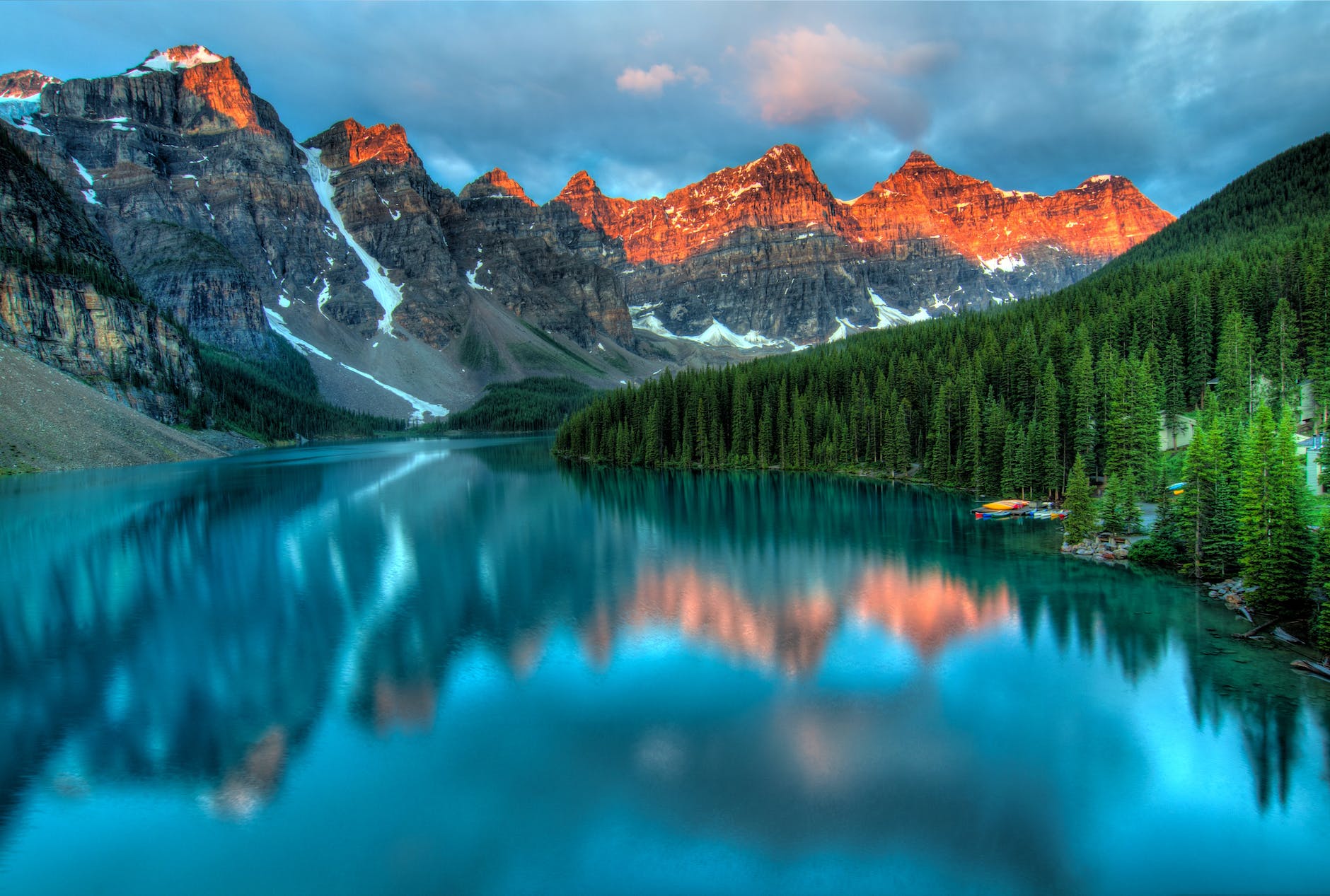
Banff National Park
Introduction
Banff National Park is Canada’s oldest national park and one of the most beautiful natural destinations in the world. Located in the province of Alberta, within the Rocky Mountains, the park is famous for its towering peaks, turquoise lakes, glaciers, forests, and abundant wildlife. Established in 1885, Banff National Park attracts millions of visitors each year who come to experience its breathtaking landscapes and outdoor adventures.
More than just a tourist destination, Banff National Park is a protected natural area that plays an important role in conservation, environmental education, and sustainable tourism. This article explores the geography, attractions, wildlife, importance, challenges, and conservation efforts associated with Banff National Park.
Geography and Location
Banff National Park is situated in western Alberta and covers an area of approximately 6,600 square kilometers. It forms part of the Canadian Rocky Mountains and borders other protected areas such as Jasper National Park and Yoho National Park. The park’s dramatic landscape includes rugged mountains, deep valleys, glaciers, rivers, and alpine meadows.
The climate of Banff National Park varies by season. Winters are cold and snowy, making the park a popular destination for skiing and winter sports, while summers are mild and ideal for hiking, sightseeing, and wildlife viewing. The Bow River flows through the park, contributing to its rich ecosystems.
Main Attractions of Banff National Park
Lake Louise and Moraine Lake
Lake Louise is one of the most famous attractions in Banff National Park. Known for its bright turquoise water and mountain backdrop, it is a popular spot for photography, canoeing, and hiking. Nearby Moraine Lake is equally stunning, surrounded by the Valley of the Ten Peaks and offering spectacular scenic views.
Banff Town and Hot Springs
The town of Banff is located within the park and provides accommodation, restaurants, and cultural attractions. The Banff Upper Hot Springs offer visitors a relaxing experience in naturally heated mineral waters with mountain views.
Icefields Parkway
The Icefields Parkway is a scenic highway connecting Banff to Jasper National Park. It is considered one of the most beautiful drives in the world, passing glaciers, waterfalls, and dramatic mountain landscapes.
Wildlife and Biodiversity
Banff National Park is home to a wide variety of wildlife. Commonly seen animals include elk, deer, bighorn sheep, and mountain goats. The park is also home to predators such as bears, wolves, and cougars.
The park’s ecosystems range from montane forests to alpine tundra, supporting diverse plant species. Protecting these habitats is essential for maintaining ecological balance and biodiversity.
Importance of Banff National Park
Environmental Importance
Banff National Park protects fragile mountain ecosystems, glaciers, and freshwater sources. These natural features play a crucial role in regulating climate, supporting wildlife, and supplying clean water to surrounding regions.
Economic and Cultural Importance
Tourism in Banff National Park contributes significantly to the local and national economy. The park also holds cultural significance for Indigenous peoples, who have lived in and traveled through the area for thousands of years.
Threats and Challenges
Banff National Park faces several environmental challenges:
• Climate Change – Melting glaciers and changing ecosystems
• Overtourism – Pressure on natural resources and wildlife
• Human-Wildlife Conflict – Increased interaction between animals and visitors
• Pollution and Development – Impact on air, water, and land quality
Managing these threats is essential to protect the park’s natural beauty.
Conservation and Protection Efforts
Parks Canada manages Banff National Park with a focus on conservation and sustainability. Key efforts include:
• Wildlife corridors and habitat protection
• Visitor education and responsible tourism programs
• Monitoring of glaciers, wildlife, and ecosystems
• Regulations to reduce environmental impact
These initiatives help ensure the park remains preserved for future generations.
Conclusion
Banff National Park is a true natural treasure, offering stunning landscapes, rich wildlife, and unforgettable outdoor experiences. Its mountains, lakes, and forests represent the beauty and power of nature while highlighting the importance of conservation.
By balancing tourism with environmental protection, Banff National Park stands as a global example of how natural areas can be preserved and enjoyed responsibly.
00 Comments
No comments yet.
Leave a Comment